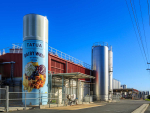
Ah Tatua, You've Done It Again!
Waikato milk processor Tatua has again declared a record milk payout to farmer shareholders, leaving other processors in the dust.




 increase font size
 Leon Clement.
Canterbury-based milk processor Synlait has downgraded its earnings expectation for the 2020 financial year.
The company now expects net profit after tax (NPAT) of between $70 million and $85 million, compared with $82.2 million for 2019.
A statement released to the New Zealand Stock Exchange in mid-February said the previously announced earnings guidance was for profits to continue to grow in FY20, with the rate of profitability increasing at least at a similar rate to FY19 over FY18.
“Current information now indicates this rate of growth will not be achieved.”
Synlait’s ordinary shares, which stood at $8.29 on February 12, dropped sharply on the announcement and have traded since then in the mid-$6 range.
They had been trending downwards over the past year, from a high of $11.29 in March.
Synlait said the downward revision was a result of:
• significantly lower than anticipated infant base powder sales due to China infant nutrition market consolidation causing a reduction in demand from brand owners who are yet to receive brand registration;
• lactoferrin prices being more volatile than previously anticipated;
• while Synlait still anticipates growth in consumer-packaged infant formula sales volumes over the full year, this growth is not as strong as initially envisaged. The a2 Milk Company’s contribution to this growth has not changed.
Synlait chairman Graeme Milne says naturally, the Synlait team expected a stronger FY20 financial performance.
“We remain confident that the decision to focus on our medium to long-term strategic opportunities will over time improve shareholder value and the sustainability of our business.”
Synlait chief executive Leon Clement said new investments had resulted in a higher cost profile, which has not yet been absorbed by an offsetting increase in revenue.
“The pace and quality at which our teams have delivered on recent growth projects has been impressive, and now we are focused on ensuring we optimise these new facilities. In the meantime, we are moderating our costs while we bring our new investments to life in terms of capacity and capability. We remain confident, and on-track, to deliver on our medium to long term objectives.”
Waikato milk processor Tatua has again declared a record milk payout to farmer shareholders, leaving other processors in the dust.
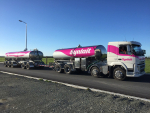
Synlait has swung to second-half profit as operations stabilise, but the dairy processor still posted a $75.4m annual loss.
OPINION: It seems Canterbury processor Synlait is still in the doldrums.
Speculation of a possible joint move by Fonterra and a2 Milk to buy Synlait raises a much bigger strategic question, says agribusiness expert Dr Nic Lees.
A revolving door of chief executives at milk processor Synlait is a warning sign, says Lincon University senior lecturer in agribusiness Nic Lees.


OPINION: Making it easier to collect rainwater and use it to grow crops and livestock is a no brainer.
As part of its Election 2026 coverage, Rural News asked political parties how they would help pull the arable sector out of the doldrums. Here's what they said:
Farmers are being encouraged to rethink how they manage waste on farm with the launch of ruralwastesorted.co.nz, a new website bringing together practical tips, real farmer experiences and resources.
New Zealand Winegrowers (NZW) is celebrating the India-New Zealand Free Trade Agreement (FTA) coming into force today, bringing New Zealand wine improved access to one of the world’s fastest-growing economies.
New Zealand’s red meat sector has welcomed the India-New Zealand Free Trade Agreement taking effect, which removes India’s 33% tariff on New Zealand sheepmeat.
More than 95 per cent of New Zealand’s forestry and wood exports to India can now enter tariff free as the New Zealand-India Free Trade Agreement comes into force today.


OPINION: It seems Canterbury processor Synlait is still in the doldrums.
OPINION: Get offside with New Zealand First leader Winston Peters at your own peril.




