International Day of Rural Women: Two DairyNZ Farmers’ Stories
Today, 15 October, is the International Day of Rural Women, which recognises rural women’s contribution to farming, communities and the environment.




 increase font size
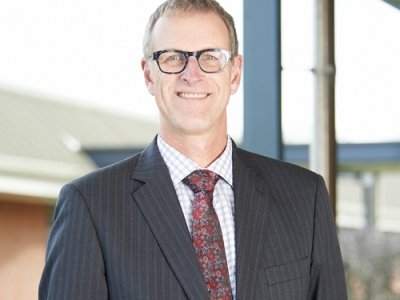 Michael Spaans, chair of DairyNZ.
Having a skilled and motivated farm team is the foundation of a successful dairy farm.
A team which understands the basic elements of farming and does them well will take a dairy farm far; after all, technology only gives us a helping hand.
The fundamentals of farming might be relatively simple and often repeatable, but getting them right, while managing the outside influences of weather and finances, can be challenging.
DairyNZ is always looking for areas to innovate, improve and develop new ways to do things onfarm but nothing beats the human eye when it comes to picking up cows on heat, issues with pasture growth or caring for calves.
As I've often observed onfarm, it's that keen eye for a change in a cow's behaviour or the ability to make a quick decision on grass growth that can make a big difference in how well a season goes.
This year's Getting the Basics Right covers all the essential tasks dairy farmers undertake throughout the season – from calving and calf rearing, to mating and managing feed supply. Other more complex aspects of farming are also becoming vital skills, including nutrient and water management, financial skills and staff management.
This means people coming into the industry are, over time, expected to learn more and know more about the now wide scope of farming.
Knowledge source
Like anything, knowing who to talk to and where to go for help is crucial.
DairyNZ invests in all aspects behind the farmgate, undertaking research and developing new tools to help farmers hone their existing skills or learn from the latest science. You can access a wealth of information on our website (dairynz.co.nz) or through our regional consulting officer team.
It's easy to be sidetracked by the bigger issues of farming – compliance, droughts, payouts – but focusing on the basics of good animal care, feed management and successful reproduction can pay off, no matter the circumstances.
The DairyNZ website's animals, feed and milking sections host timeless information on body condition scoring, mastitis management, pasture and feed options, calving, calf rearing and mating, along with milking tips. In fact, I'm sure it could answer most questions or at least point you in the direction of who can.
Other support, training and advice are available through DairyNZ's training workshops, discussion groups, apps and the primary industry training organisations. Don't forget those people right beside you – your workmates and employers. They are a great source of knowledge.
Industry's future
The dairy industry needs the brightest and best talent – it simply can't thrive without you.
Many of you are the next generation of farmers who will lead us through the challenges which will continue to face the dairy industry as it grows and develops in coming years.
There will be new challenges we can't predict now and we want you to be geared up for them. So take the opportunities that come your way – attend courses and events, absorb information and talk to your workmates who can share their wisdom to help you master the basics essential to farming.
Today, 15 October, is the International Day of Rural Women, which recognises rural women’s contribution to farming, communities and the environment.

Returning to the family dairy farm after playing 20 years of professional rugby around the world is no easy task.
The first major update to the Dairy Cattle Code of Welfare in more than a decade has been released, marking what DairyNZ describes as an important step in ensuring animal welfare standards continue to evolve alongside scientific evidence and on-farm realities.
Have a plan in place for your cows and staff.
In Dacre, near Invercargill in New Zealand’s South Island, Bruce Dinnington is running a dairy operation unlike any other.

Decades piloting planes has ensured vet and farmer David Hayes is focused on safety. So, after a serious accident while welding on farm, he is sharing his experience so others can learn from it.
Canterbury milk processor, Synlait Milk has confirmed Leon Fung as its chief executive officer.
OPINION: Making it easier to collect rainwater and use it to grow crops and livestock is a no brainer.
As part of its Election 2026 coverage, Rural News asked political parties how they would help pull the arable sector out of the doldrums. Here's what they said:
Farmers are being encouraged to rethink how they manage waste on farm with the launch of ruralwastesorted.co.nz, a new website bringing together practical tips, real farmer experiences and resources.
New Zealand Winegrowers (NZW) is celebrating the India-New Zealand Free Trade Agreement (FTA) coming into force today, bringing New Zealand wine improved access to one of the world’s fastest-growing economies.
OPINION: It seems Canterbury processor Synlait is still in the doldrums.
OPINION: Get offside with New Zealand First leader Winston Peters at your own peril.




