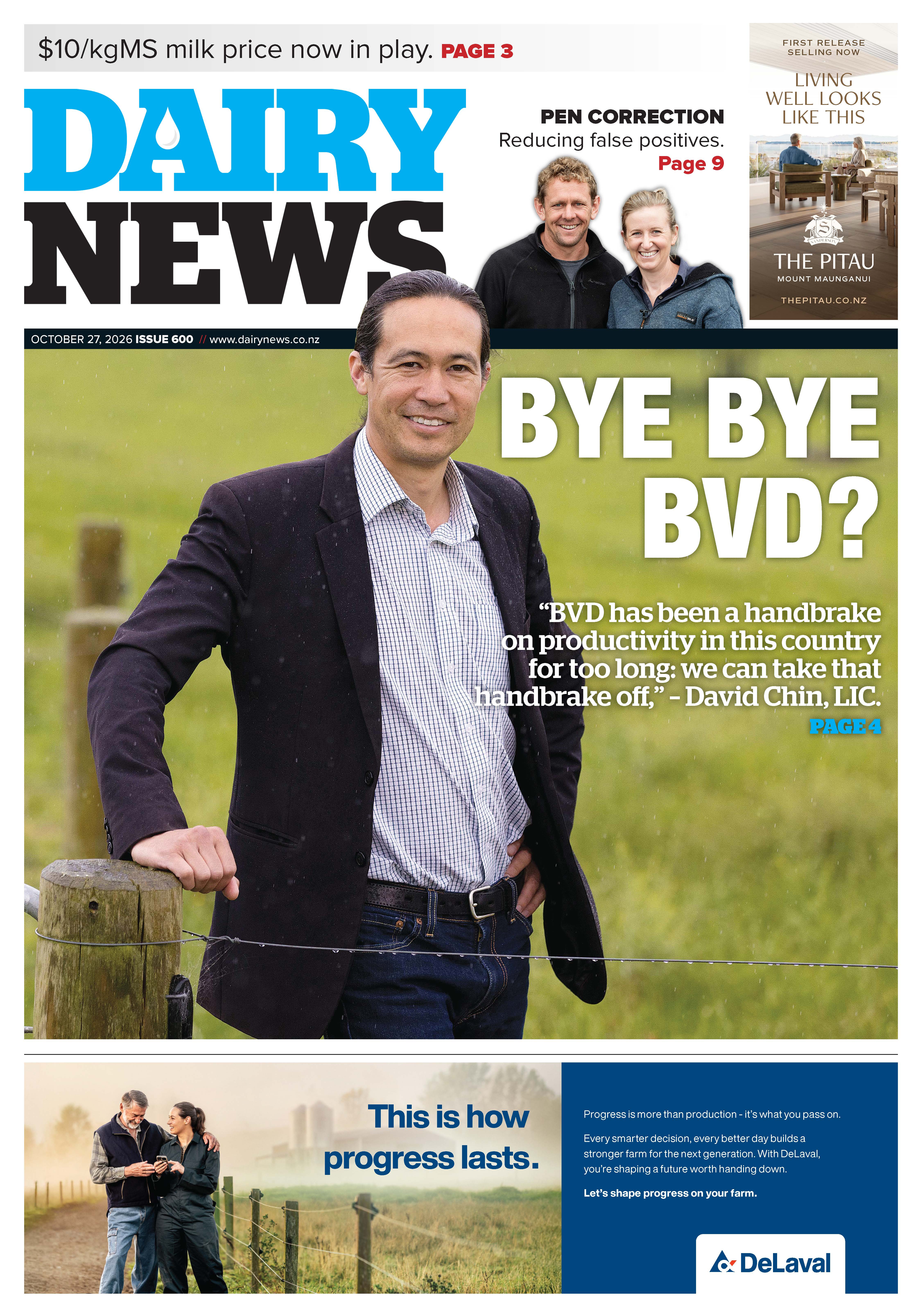
New Synlait CEO Leon Fung Commits to Christchurch Move
Canterbury milk processor Synlait has come through tough times and is now ready to scale up from a stable base, says its newly confirmed CEO Leon Fung.




 increase font size

Is ice cream falling out of favour of major dairy companies in New Zealand?
Last year, Fonterra sold its iconic Tip Top ice cream business to UK-based Froneri. Now Canterbury milk processor Synlait has sold its Deep South brand and associated ice cream operations to Talley’s Group for an undisclosed sum.
New owner Talley’s is one of NZ’s biggest ice cream manufacturers. The company also owns a majority stake in Open Country Dairy and wholly owns meat processor Affco.
The 42-year old Deep South brand was owned by Dairyworks since 2016. Last year Synlait bought Dairyworks as part of its strategy to grow its consumer brands footprint in cheese and butter.
Synlait chief executive Leon Clement says the decision to sell the Deep South ice cream brand is in line with that strategy.
Dairyworks chief executive Tim Carter says Dairyworks is going through a period of rapid expansion in its core categories of cheese, speciality cheese, yogurt, and convenience butters.
“While Deep South is a successful part of our current portfolio, ice cream is not our core business. The brand has strong growth potential for a business more focused on ice cream.”
When buying Dairyworks, Synlait said the acquisition would provide Synlait with another meaningful move towards the delivery of its ‘Everyday Dairy’ strategy and complemented the company’s recent purchase of cheese manufacturer Talbot Forest.
“This business is a great strategic fit for us and an important step in growing our presence in the Everyday Dairy category,” Synlait said.
Canterbury milk processor Synlait has come through tough times and is now ready to scale up from a stable base, says its newly confirmed CEO Leon Fung.
Synlait's longest serving employee – a man who joined the Canterbury-based milk processor even before it began processing milk – is now its newest executive.
Canterbury milk processor, Synlait Milk has confirmed Leon Fung as its chief executive officer.
Waikato milk processor Tatua has again declared a record milk payout to farmer shareholders, leaving other processors in the dust.
Synlait has swung to second-half profit as operations stabilise, but the dairy processor still posted a $75.4m annual loss.

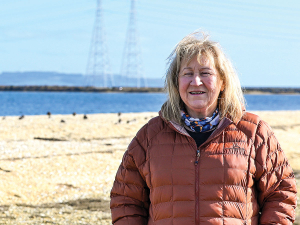
For 15 years, Glenda Rees has travelled from Gore to Awarua, often several times a week, to keep watch over one of the country’s rarest birds.
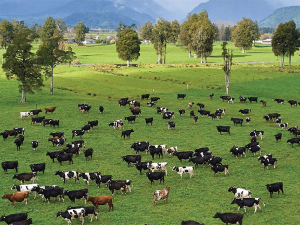
With some farmers opposing a government-industry partnership set up to develop methane reducing products, one NZ company claims that it already has a product on the market.
During the nesting season, from September to December, industrious starlings can quickly build nests in the darker areas behind tractor and vehicle, usually close to hot engines, typically resulting in localised damage or in some cases complete write-offs.
The meat processing industry is much more collegial than it was in the past and is now more focused on common goals.
With the last couple of months having seen some potential tractor purchases put on hold with the impending election and continued input cost rises, year-to-date figures, ending September, has seen deliveries up around 5% over the same period in 2025, with a total of 2026 units.
Beef+Lamb New Zealand is calling for nominations for director roles in the Northern South Island and Northern North Island electoral districts.

OPINION: It seems Canterbury processor Synlait is still in the doldrums.
OPINION: Get offside with New Zealand First leader Winston Peters at your own peril.