WorkSafe Safety Push Reveals Major Farm Safety Gaps Across New Zealand
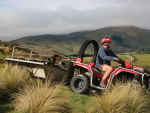
A safety push across New Zealand has revealed significant gaps in hazardous substances management, farm vehicles, tractors, quad bikes and side-by-sides.




 increase font size
 Steve Haszard
WorkSafe has appointed Steve Haszard as the organisation's next chief executive.
Haszard started his new role last week for a term of up to 18 months.
WorkSafe chair Jennifer Kerr says, following the decision of current chief executive Phil Parkes to move on by the end of 2023, the WorkSafe board moved quickly on a succession plan to enable an effective transition and to bring certainty of leadership.
"Steve brings strengths in regulatory practice, organisational change, and strategy development and execution.
"His leadership experience will provide clarity for WorkSafe's staff and system partners throughout this period of change.
"Steve's immediate priorities will be to lead WorkSafe through its organisation change process, drive the articulation of our strategy and implement the response to the Strategi Baseline Review."
On October 9, Parkes moved to into the role of strategic advisor to the chief executive to support the transition period and will continue to lead several key projects which underpin WorkSafe's core regulatory functions until he finishes by the end of 2023.
"Steve will focus on WorkSafe's future from day one, and the organisation will continue to benefit from Phil Parkes' experience, institutional knowledge and strong relationships within the health and safety system.
"Phil has led WorkSafe through some challenging times, including Whakaari and Covid-19, while contributing to healthier and safer outcomes for New Zealanders," says Kerr.
A safety push across New Zealand has revealed significant gaps in hazardous substances management, farm vehicles, tractors, quad bikes and side-by-sides.
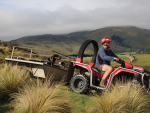
Decisions you make in an instant on the farm can be the difference between life and death.
WorkSafe New Zealand is calling on farmers to consider how vehicles move inside their barns and sheds, following a sentencing for a death at one of South Canterbury’s biggest agribusinesses.
Following a sentencing for a death at a South Canterbury agribusiness, WorkSafe New Zealand is calling on farmers to consider how vehicles move inside their barns and sheds.
WorkSafe is recommending the dairy industry reassess its use of slide pulsators, following a recent death in a Waikato milking shed.



Fonterra Co-operative Group chief financial officer Andrew Murray has resigned to take up a role outside the dairy giant.
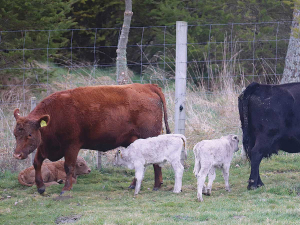
A major move is about to get underway to improve the quality and viability of dairy beef and cattle in NZ.
Veterinarians say changes to the code of welfare for dairy cattle provides a positive foundation for improved cattle welfare across the country.
Today, 15 October, is the International Day of Rural Women, which recognises rural women’s contribution to farming, communities and the environment.
Global dairy giant Lactalis has integrated its Australian operations with the Mainland Dairy consumer business it acquired from Fonterra earlier this year.
High country stations, mixed sheep and beef farms, Māori-owned farms, corporates and family operations are among the nine commercial farms taking part in the Livestock Innovation Farming Transformation programme, known as LIFT.


OPINION: It seems Canterbury processor Synlait is still in the doldrums.
OPINION: Get offside with New Zealand First leader Winston Peters at your own peril.




