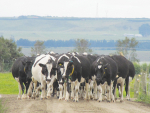
Pain relief for lame cows a game changer
The traditional method to approach lameness involves corrective trimming of the affected area.




 increase font size
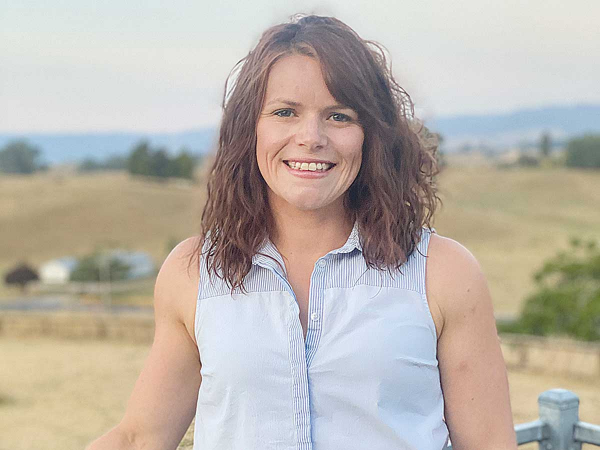 Animal health is a big cost on-farm and good herd health is crucial to optimise performance, says WelFarm general manager Samantha Tennent.
Samantha Tennent is the new general manager of WelFarm, XLVets’ assurance programme.
WelFarm has been used on-farm since 2014 and is available to all farmers and veterinarians, utilising data collected throughout the season to benchmark farms nationally and regionally.
Tennent, who has a background in veterinary technology, says that the programme and others like it is proving vital on-farm.
“With the increased scrutiny on our dairy sector to prove our farmers are operating sustainably and to continue our access to export markets, it is even more important we have the evidence that we are looking after our animals to a high standard.
“Animal health is also a big cost on-farm and good herd health is crucial to optimise performance,” she says.
She says she looks forward to the opportunity to lead the programme.
“The opportunity to help drive WelFarm intrigued me given my background and passion for dairy and I’m really excited to raise awareness across the sector and get more farmers into the programme.”
Tennent previously worked as an animal developer for DairyNZ, managing their InCalf programme.
WelFarm has been used on-farm since 2014 and is available to all farmers and veterinarians, utilising data collected throughout the season to benchmark farms nationally and regionally.
This helps identify areas where farm productivity and animal wellness could be optimally through effecting change.
It is also designed to support farmers who are making improvements through goals, showing them whether their efforts are succeeding.
“We know small shifts in in-calf rates, reducing somatic cell counts, reducing mastitis and increasing milksolids all have significant impact on performance and profitability, and how we use antibiotics and other drugs is continually under the microscope,” says Tennent.
She says she encourages farmers to discuss with their vets whether they are already offering the programme and vets to get in touch if they want more information and support to implement it in their clinic.
“It’s a great initiative and the only one of its kind in New Zealand. Without the data and benchmarking we don’t know what good actually looks like and whether our efforts to improve are having an effect. WelFarm provides that platform and assurance across the sector and to the consumer with regard to food safety, animal health and well-being.”
The traditional method to approach lameness involves corrective trimming of the affected area.
A solution to help farmers complete the animal wellbeing part of their on-farm assessments will be available from this month thanks to a new relationship between WelFarm and Fonterra.
Antibiotic use is under increased pressure because any time we use antibiotics there is an increased risk of bacteria developing resistance.
A negative energy balance (NEB) is when the energy demands for lactation, maintenance and activity are not met by dietary intake and the cow is forced to mobilise its fat and muscle to provide energy to meet the deficit.
The pain scale medical professionals use with people isn’t applicable to animals. They can’t tell us whether they’re experiencing a 5 or a 9 out of 10. But that doesn’t mean they are not impacted by pain.

Mobile phone coverage and reliability are deteriorating in rural areas, and farming families are bearing the cost, according to a Federated Farmers survey.

HelloFresh New Zealand has launched a limited-edition Country Cookout Box of Southern-inspired meals, arriving as the 2026/27 rodeo season gets underway.
Beef + Lamb New Zealand Incorporated (BLNZ Inc) is marking 40 years of promoting red meat to New Zealand consumers, citing its taste, family meals and nutritional benefits.
Pāmu has welcomed Taranaki student Paige Burston as its newest First Foundation Scholar, supporting her journey towards a career in agriculture and animal science.
Farmer-owned fertiliser company, Ballance Agri Nutrients is welcoming National’s plan to negotiate security agreements with key supplier countries to protect New Zealand-bound products from export restrictions and greater supply chain certainty.
Carrfields has announced the appointment of Stu Hall to the newly created role of chief operating officer, Carrfields Ltd, reflecting the continued growth of their agribusinesses and the need to ensure the company has the leadership capacity and support in place as it pursues the emerging opportunities ahead.
OPINION: It seems Canterbury processor Synlait is still in the doldrums.
OPINION: Get offside with New Zealand First leader Winston Peters at your own peril.




