Research shows farm ownership a viable goal
Buying a farm is challenging but still achievable according to research recently carried out by Smaller Milk and Supply Herds (SMASH).




 increase font size
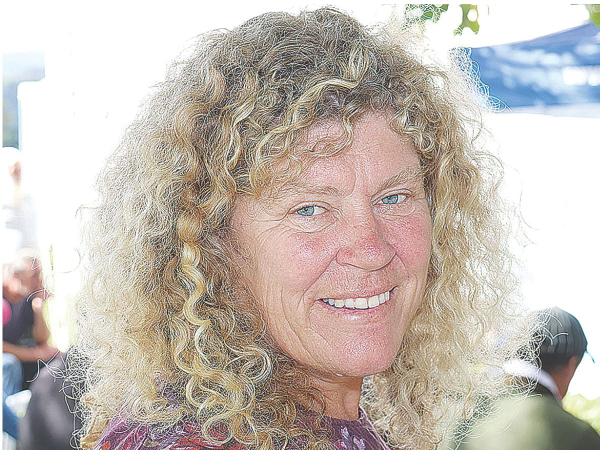 Anna Kalma
Anna Kalma is Smaller Milk and Supply Herds (SMASH’s) national coordinator and has seen it all in her time on the national committee.
SMASH was established in 2010 with the goal of supporting dairy farmers with smaller than average-sized herds. Since then it has evolved and grown in popularity, and now farmers with herds of all sizes come to its well-attended events.
“I joined the SMASH committee in 2016 after hosting a field day on my farm,” says Kalma.
“It was during the $3.90 payout year, so things were pretty grim. I remember meeting somebody a few years later who said the discussion around managing FWE, and some of the sentiments shared on the day, really encouraged them at a time when they were thinking about ditching farming.”
This is a common thread in the feedback from SMASH events, that the topics are practical and relevant to current farmer issues, and there is a really supportive community feel to them.
Kalma is enthusiastic about her involvement in SMASH which she says has plenty of upsides.
“I enjoy meeting farmers from around the country, learning about their systems and regional differences. We get great feedback from those who attend our events, and the lunches put on by the locals, especially the primary school PTAs, are great.
“And then there are our committee meetings, often off-topic and disorganised, but run by a fantastic group of enthusiastic volunteer farmers with heaps of ideas.
“It is also a novelty being recognised as a SMASH person on the street, including once in New York City!”
She also has plenty of stories about her adventures on the road, and what goes on behind the scenes when pulling events together.
“The weather is always a huge factor – postponed events, speakers missing flights, hosts deciding to take us for a long walk to the cows only for the heavens to open. I was stopped by floods when I was trying to get to Whangarei in 2023 and getting ready to stay in an emergency shelter when one of our sponsors saved me as she had managed to book a motel. I got through the next day to run the event.
“Then there are the portaloos. Dragging one over the ranges to get to Karamea on the West Coast, and through road diversions in Northland and then getting pulled over by a road worker because one of the stabilising legs had dropped down and gouged a furrow for who knows how long in the dirt road. The portaloo door opening mid-trip to unleash all the toilet rolls.
“And Covid! Trying to get permission to travel through Auckland during their lockdown, additional hygiene regulations, speaker no-shows when they come down with Covid, and cancelled events…”
At the end of the day the positive response from farmers is the primary factor encouraging the SMASH team to continue. They work together like a well-oiled machine, which is a testimony to the people involved, their good-will and dedication to supporting the industry. They also couldn’t do it without the staunch support of their sponsorship team (Ballance Agri-Nutrients, Barenbrug, BNZ, FMG, LIC, and Pioneer), some of whom have been on-board since the start, and their major partner, DairyNZ.
Upcoming events, which are held throughout New Zealand, are publicised on the SMASH website (www.smallerherds.co.nz) and Facebook page (www.facebook.com/smashdairynz).
Buying a farm is challenging but still achievable according to research recently carried out by Smaller Milk and Supply Herds (SMASH).
A top farm accountant says in the present downturn, it's vital that farmers take heed of all the good advice on offer.
Michael Kiernan's lucerne crop was a godsend in the dry Southland summer this season.
The poor pasture performance of traditional ryegrass/white clover mixes has many Northland farmers searching for substitutes and Evan Smeath, who farms in Hukerenui, is willing to try alternative solutions.


High country stations, mixed sheep and beef farms, Māori-owned farms, corporates and family operations are among the nine commercial farms taking part in the Livestock Innovation Farming Transformation programme, known as LIFT.
OPINION: New health and safety guidance unveiled by the Government recently provides farmers greater certainty about what is expected of them when managing risks on farm.
The National Animal Welfare Advisory Committee (NAWAC) is seeking public feedback on proposed changes to the Code of Welfare for Rodeos.
A New Zealand initiative supporting farmers to restore the health of grazing landscapes has received international backing through the Regenerative Fund for Nature, a global collaborative fund supporting regenerative agriculture and the communities that produce natural fibres for the fashion industry.
Combine premium New Zealand products, blend in a family ritual and what do you get? A world-class functional drink.
Entries are now open across eleven regions for the 2027 New Zealand Dairy Industry Awards (NZDIA).

OPINION: It seems Canterbury processor Synlait is still in the doldrums.
OPINION: Get offside with New Zealand First leader Winston Peters at your own peril.