Damien O’Connor Criticises Budget 2026 as ‘Miserable’ for Rural New Zealand
A miserable budget that didn’t deliver much for anyone.




 increase font size
 New Zealand Agriculture Minister Damien O'Connor met with his Australian counterpart Murray Watt over conference call yesterday.
When New Zealand’s Agriculture, Biosecurity and Rural Communities Minister Damien O’Connor met with his new Australian counterpart yesterday, the subject of biosecurity was top of their agenda.
Australia’s Minister for Agriculture, Fisheries and Forestry Senator Murray Watt took over the role from David Littleproud in June after Australia’s Labor Party won the 2022 election.
On a conference call yesterday, O’Connor and Watt focused particularly on foot and mouth disease (FMD).
O’Connor said greater cooperation was integral to reducing biosecurity risks in the Trans-Tasman region as threats from FMD and fruit fly loom over Australasia.
“I am very pleased to have discussed joint efforts to strengthen preparedness and response capabilities with Minister Watt today and evolve our biosecurity interventions, so we stay in step with each other,” he said.
“We continue to work together on a range of biosecurity initiatives, such as increasing our intelligence capacity to ensure our biosecurity systems are world’s best.”
Watt said biosecurity is a central component of Australia’s relationship with New Zealand amid a range of risks held in common, especially the recent FMD outbreak in Indonesia.
“Minister O’Connor and I had a very good meeting and reaffirmed our commitment to maintaining stringent arrangements to protect our countries’ respective biosecurity status’,” Watt said.
He said the pair discussed ongoing work by senior biosecurity officials in both countries to synchronise approaches where it’s possible.
“Both countries are signatories to the International Animal Health Emergency Reserve, which would afford us additional human resources in the event of an emergency animal disease outbreak, allowing for faster control and increased chances of eradication,” Watt said.
A miserable budget that didn’t deliver much for anyone.

National's decision to ‘dribble’ information about the NZ/India to Labour contributed to the delay in it deciding to supported the FTA.
When it comes to international trade, politicians from all sides of the aisle are united, says Labour's trade spokesman Damien O'Connor.
Biosecurity Minister Andrew Hoggard says that events over the last few weeks have highlighted the importance of a strong biosecurity system.
Federated Farmers have reiterated their support for the coalition Government to abolish the present ban on the live export of animals.


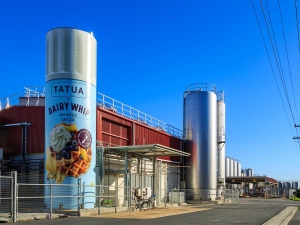
Waikato milk processor Tatua has again declared a record milk payout to farmer shareholders, leaving other processors in the dust.

A Labour-led Government won’t be bringing back the controversial freshwater rules of 2020.
National’s much-touted free trade deal with India featured in the Rural Issues Debate at Mystery Creek, Hamilton on Wednesday night.
New Zealand's 2026-27 freshwater fishing season has opened, with anglers encouraged to head to rivers and lakes over the coming days as conditions look favourable across much of the country.
Central Otago District Council (CODC) has voted against a plan to spread treated sewage sludge from Cromwell and Alexandra on farmland near Lauder, a decision Federated Farmers says reflects strong opposition from rural residents.
Pāmu has released its FY26 Integrated Annual Report, reporting a Net Operating Profit of $113 million, more than double the $49 million recorded in FY25.





OPINION: The same mainstream media muppets that brought you Jacindamania in 2017 have been flat out pimping for the Opportunities…
OPINION: Your old mate reckons the atrocious way farmers in the UK are treated by their lords and masters in…