
Pork Remains Among NZ's Most Affordable Meats: Stats NZ
As the cost-of-living crisis continues to put pressure on household grocery budgets, new figures show pork remains one of the most affordable fresh meat options for New Zealand families.




 increase font size
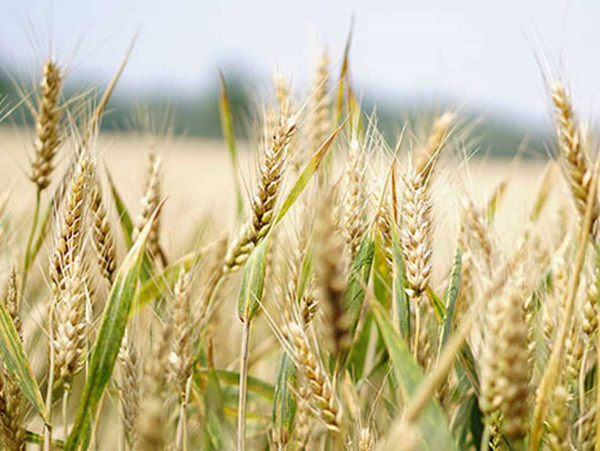 The FAO Cereal Price Index rose 6%, led by international maize prices.
Global food prices rose at their fastest monthly rate in more than a decade in May, the Food and Agriculture Organization of the United Nations (FAO) has reported.
The FAO Food Price Index averaged 127.1 points in May, 4.8% higher than in April and 39.7% higher than in May 2020.
A surge in the international prices of vegetable oils, sugar and cereals led the increase in the index to its highest value since September 2011 and only 7.6% below its all-time peak in nominal terms.
The FAO Cereal Price Index increased 6% from April, led by international maize prices, which averaged 89.9% above their value a year earlier.
The FAO Vegetable Oil Price Index gained 7.8% in May, mainly reflecting rising palm, soy and rapeseed oil quotations.
The FAO Sugar Price Index increased by 6.8% from April, due largely to harvest delays and concerns over reduced crop yields in Brazil, even as large export volumes from India contributed to easing the price surge.
The FAO Meat Price Index increased by 2.2% from April, with quotations for all meat types rising due to a faster pace of import purchases by China, as well as rising internal demand for poultry and pig meats in the leading producing regions.
The FAO Dairy Price Index rose by 1.8% in May, averaging 28% above its level of May 2020. The increase was led by solid import demand for skim and whole milk powders, while butter prices declined for the first time in almost a year on increased export supplies from New Zealand.
As the cost-of-living crisis continues to put pressure on household grocery budgets, new figures show pork remains one of the most affordable fresh meat options for New Zealand families.
The benchmark for world food commodity prices increased for the third consecutive month in May, as higher prices of cereals and dairy products outweighed decreases in quotations for sugar and vegetable oils, the Food and Agriculture Organization of the United Nations (FAO) reports.
It’s World Milk Day today (June 1), a time to celebrate the vital role that milk, and dairy products play in our lives and acknowledge the tremendous contributions of the New Zealand dairy sector.
The director-general of the Food and Agriculture Organization of the United Nations (FAO) says the UN has a role to play in leveraging the power of digital technologies.
The Food and Agriculture Organisation of the United Nations (FAO) has welcomed a resolution adopted by the United Nations (UN) General Assembly to declare 2026 International Year of the Woman Farmer.


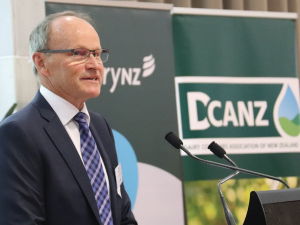
Dairy processors are ready to further boost New Zealand’s export earnings but want the incoming government to match their ambition with good policy.
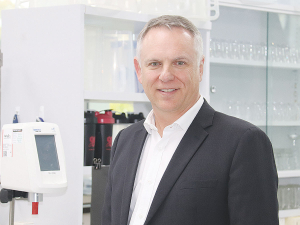
Massey University is best placed to solve the “problems” facing the dairy industry, says vice chancellor, Pierre Venter.
Synlait's longest serving employee – a man who joined the Canterbury-based milk processor even before it began processing milk – is now its newest executive.
A dairy industry leader believes eradicating the common and costly disease, Bovine Viral Diarrhoea (BVD) is within reach.
A farmgate milk price of $10/kgMS this season is firming up as milk powder prices soar and the New Zealand dollar weakens.
Federated Farmers has welcomed new rural policies released by ACT, saying they align closely with its own election priorities.





OPINION: The same mainstream media muppets that brought you Jacindamania in 2017 have been flat out pimping for the Opportunities…
OPINION: Your old mate reckons the atrocious way farmers in the UK are treated by their lords and masters in…




