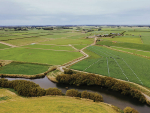
McRae Wins Southern South Island B+LNZ Director Vote
Matt McRae, a farmer from Mokoreta in Southland who runs a sheep, beef and dairy support business alongside a sheep stud, has been elected to the Beef +Lamb NZ Board as a farmer director.




 increase font size
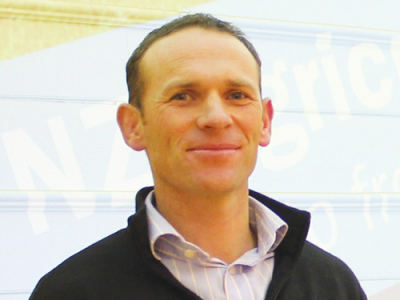 Beef + Lamb chair James Parsons.
European farming leaders are truly concerned about Britain’s planned exit from the European Union, says Beef + Lamb NZ chairman James Parsons, just home from his annual visit to Europe.
Parsons says he struggled to find anyone in the UK who voted for Brexit, although he suspected a few did. But none of the farming leaders he spoke to in either the UK or Europe could see many upsides to Brexit.
Irish farmers are being hit by low prices due the weak pound, he says.
Meanwhile, meat processors in Northern Ireland are deeply concerned about the prospect of a ‘hard’ border between the north and south of Ireland; they process a lot stock from the south. Their biggest concern is to get some stability, especially in the sheep market.
“Whilst they were not massively excited about NZ product coming in during their peak season, they acknowledge the importance of having lamb on the shelf 12 months of the year,” Parsons told Rural News. “I think there are opportunities for us, with the sheep producers in the northern hemisphere, to see how we can supply some markets in a counter-seasonal way. We had a much more mature conversation about this than I had experienced in the past.”
Parsons says it’s too early to say what might happen to NZ as result of Brexit. Many big political issues must be sorted out first, such as whether the EU will play hardball with the UK when it triggers its exit next March. The French and German elections may also influence events.
“We are quite narrowly focused on our existing trade, but it’s all the macro things that are in play, so the sheepmeat market is just going to be a minnow in the scheme of things.”
BLNZ, via its representative in Brussels, Ben O’Brien, will monitor the situation. BLNZ is keen for the NZ government to negotiate a free trade agreement with the EU and to firm up an arrangement with the UK when it leaves the EU. This is some way off because negotiations can’t start until the UK has left the EU.
Parsons notes a lot of interest in the UK about the way NZ has developed its markets over the years and become a free trading country. UK farmers are keen to do this, but old habits such as protectionism are alive and well there.
Matt McRae, a farmer from Mokoreta in Southland who runs a sheep, beef and dairy support business alongside a sheep stud, has been elected to the Beef +Lamb NZ Board as a farmer director.
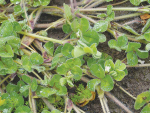
Recent widespread autumn rain will have triggered the germination of subterranean clover seeds, and the resulting seedlings should be allowed to reach the 3–4 trifoliate leaf stage before grazing, says Beef+Lamb NZ.
A hub farm in each of Beef + Lamb NZ’s seven regions and more focus groups are being rolled out for the red meat sector this year.
The red meat sector is poised for a strong rebound this season, with export receipts forecast to top $10 billion and farm profitability to almost double.
Progeny testing at Pāmu’s Kepler farm in Southland as part of Beef + Lamb New Zealand’s Informing New Zealand Beef programme is showing that the benefits of hybrid vigour could have a massive impact on the future of beef breeding.


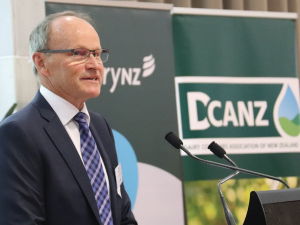
Dairy processors are ready to further boost New Zealand’s export earnings but want the incoming government to match their ambition with good policy.
Massey University is best placed to solve the “problems” facing the dairy industry, says vice chancellor, Pierre Venter.
Synlait's longest serving employee – a man who joined the Canterbury-based milk processor even before it began processing milk – is now its newest executive.
A dairy industry leader believes eradicating the common and costly disease, Bovine Viral Diarrhoea (BVD) is within reach.
A farmgate milk price of $10/kgMS this season is firming up as milk powder prices soar and the New Zealand dollar weakens.
Federated Farmers has welcomed new rural policies released by ACT, saying they align closely with its own election priorities.

OPINION: The same mainstream media muppets that brought you Jacindamania in 2017 have been flat out pimping for the Opportunities…
OPINION: Your old mate reckons the atrocious way farmers in the UK are treated by their lords and masters in…




