
Calling on history to make a modern point
When you tell your golfing buddies that you’ve just come back from the launch of the Range Rover Velar, they ask, “What sort of name is that?”




 increase font size
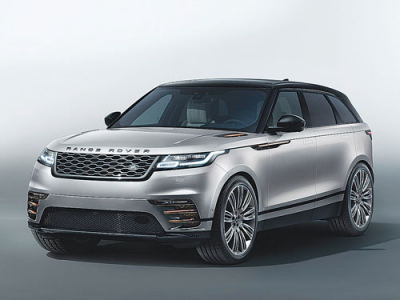 The Range Rover Velar P250.
A new entry-level Range Rover Velar is set to be the model Kiwi motorists can better afford.
The 2L Velar P250, powered by the latest petrol-fuelled Ingenium engine, will go on sale in New Zealand later this month with a starting price of $114,900 + orc.
That’s $20,000 less than the 3L version and, for the first 35 vehicles sold, it comes with a free R-Design style pack upgrade. The price is expected to be well received; it mirrors the strategy used with the Range Rover Evoque 2L model.
The P250 has similar specifications to the 3L model, with only 100kg difference in the braked towing capacity of 2400kg. Performance-wise, the P250 Velar’s 185kW/365Nm engine accelerates the car from 0-100km in 6.7 seconds and offers up to 6.7L/100km fuel economy.
It won the World Car Design of the Year title at the 2018 World Car Awards, dubbed the most beautifully designed vehicle on the planet.
The RR Velar comes with optional Kvadrat designed seats covered with an environmentally friendly fabric that combines a NZ Merino wool blend with faux suede made from recycled plastic bottles.
The P250 Velar will come standard with the latest in entertainment and safety technology and safety systems that include remote access from the InControl app. This allows the owner to lock and unlock the vehicle, check the fuel tank level or see where the vehicle is parked using a smartphone or smartwatch. It also enables remote engine starts and climate control setting.
And there’s more: SOS Emergency call technology with automatic collision detection and optimised assistance. In an emergency, an SOS call tells the emergency service the vehicle’s location. In the event of a breakdown, optimised assistance transmits a GPS location and diagnostics data to a recovery company.
When you tell your golfing buddies that you’ve just come back from the launch of the Range Rover Velar, they ask, “What sort of name is that?”
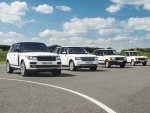
Back in 1970 we were wearing tank-tops, tie dies and platform shoes, and mirror must have been in short supply, but the year marked the birth of a motoring genre that has just reached its 45th birthday.
THE FOURTH generation Range Rover is touted as the most capable and luxurious Land Rover yet. Lighter, stronger and with new levels of refinement, it presents as the world’s finest luxury SUV, says global brand director John Edwards.


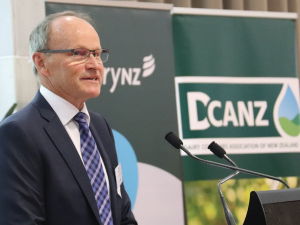
Dairy processors are ready to further boost New Zealand’s export earnings but want the incoming government to match their ambition with good policy.
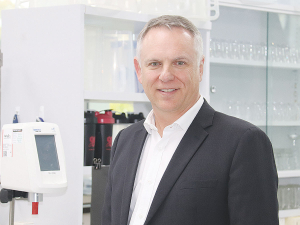
Massey University is best placed to solve the “problems” facing the dairy industry, says vice chancellor, Pierre Venter.
Synlait's longest serving employee – a man who joined the Canterbury-based milk processor even before it began processing milk – is now its newest executive.
A dairy industry leader believes eradicating the common and costly disease, Bovine Viral Diarrhoea (BVD) is within reach.
A farmgate milk price of $10/kgMS this season is firming up as milk powder prices soar and the New Zealand dollar weakens.
Federated Farmers has welcomed new rural policies released by ACT, saying they align closely with its own election priorities.

OPINION: The same mainstream media muppets that brought you Jacindamania in 2017 have been flat out pimping for the Opportunities…
OPINION: Your old mate reckons the atrocious way farmers in the UK are treated by their lords and masters in…




