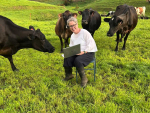
International Day of Rural Women: Two DairyNZ Farmers’ Stories
Today, 15 October, is the International Day of Rural Women, which recognises rural women’s contribution to farming, communities and the environment.




 increase font size
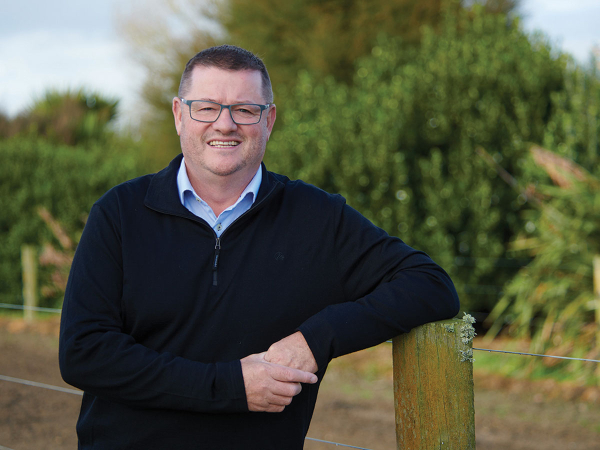 Campbell Parker, DairyNZ chief executive
As an independent review of the National Pest Management Plan for TB finds the goal of complete eradication by 2055 is still valide, feedback is being sought on how to finish the job.
The review was conducted by a Plan Governance Group (PGG) including representatives of the Ministry for Primary Industries (MPI), DairyNZ, Beef+Lamb New Zealand (B+LNZ), and Deer Industry New Zealand (DINZ) and chaired by Dr Helen Anderson, an experienced primary sector board director.
Anderson said while New Zealand has made great progress in reducing the impact of TB, there was more to do to protect valuable dairy, beef and deer industries and to safeguard rural communities.
"While the disease remains in possums, we will keep having outbreaks of reinfection."
The PGG is seeking feedback on a number of matters including prioritising eliminating TB in the remaining hot spots of highly-infected possum populations as soon as possible, using the most cost effective tools in large 'landscape-scale' operations and updating the TB Plan milestones to achieve TB freedom in both herds and possums by 2040.
Primary sector levy organisations represented on the PGG are encouraging farmers to have their say.
"Wether or not you've been directly affected by TB, eradicating this disease is vital for the future of our entire sector," said DairyNZ chief executive Campbell Parker.
Anderson says it is proposes to replace the current milestone of TB freedom in herds by 2026.
"We are so close to achieving zero infections in our livestock, with just 15 herds, or around 0.01 percent, infected in June this year. That’s an amazing achievement, thanks to decades of hard work and ongoing investment.”
OSPRI operational developments which contribute to the goals of the TB Plan include changes to targeted criteria-based on-farm TB testing and potential simplification of the herd status classification system. These are included in the consultation for feedback.
For the next five years the TBfree programme will be receiving $60 million in funding per year, with 60% derived from farmer levies and the remaining 40% from the Crown. Anderson said that the sooner New Zealand could get rid of TB in possums and herds, “the sooner cost to farmers can reduce”.
“Beyond 2031, its currently expected there will be a [funding] shortfall, but it’s proposed to undertake a further review of long-term funding before we get to that point.”
Deer Industry New Zealand chief executive Rhys Griffiths said that farmer input “plays a crucial part in the primary sector’s future, and here’s your chance to feed into important decisions. Get informed on what the plan is proposing and make sure you have your say”.
Consultation on draft proposals for the TB Plan runs from 1 September through to 12 October. For more information or to make a submission visit www.tbplanreview.co.nz
Today, 15 October, is the International Day of Rural Women, which recognises rural women’s contribution to farming, communities and the environment.
The first major update to the Dairy Cattle Code of Welfare in more than a decade has been released, marking what DairyNZ describes as an important step in ensuring animal welfare standards continue to evolve alongside scientific evidence and on-farm realities.
Have a plan in place for your cows and staff.
DairyNZ deputy chair Cameron Henderson has been re-appointed unopposed for another term.
OPINION: The stats speak for themselves.


Dairy processors are ready to further boost New Zealand’s export earnings but want the incoming government to match their ambition with good policy.

Massey University is best placed to solve the “problems” facing the dairy industry, says vice chancellor, Pierre Venter.
Synlait's longest serving employee – a man who joined the Canterbury-based milk processor even before it began processing milk – is now its newest executive.
A dairy industry leader believes eradicating the common and costly disease, Bovine Viral Diarrhoea (BVD) is within reach.
A farmgate milk price of $10/kgMS this season is firming up as milk powder prices soar and the New Zealand dollar weakens.
Federated Farmers has welcomed new rural policies released by ACT, saying they align closely with its own election priorities.




OPINION: The same mainstream media muppets that brought you Jacindamania in 2017 have been flat out pimping for the Opportunities…
OPINION: Your old mate reckons the atrocious way farmers in the UK are treated by their lords and masters in…




