McRae Wins Southern South Island B+LNZ Director Vote
Matt McRae, a farmer from Mokoreta in Southland who runs a sheep, beef and dairy support business alongside a sheep stud, has been elected to the Beef +Lamb NZ Board as a farmer director.




 increase font size
 John and Joss Bayly with BLNZ chair James Parsons (left).
The New Zealand beef industry has got "in a bit of a hole" because it doesn't pay for carcase differentiation, says John Bayly of Waitangi Angus.
With his wife Joss, Bayly breeds the herd brand at his Waitangi farm adjoining the Treaty grounds, which is known for its high quality pedigree bulls, heifers and cows. The bull calves are sold through two on-site auctions a year.
He travels to the US every year and has been doing it for eight or nine years. He says in the US with their good pattern of payments they can have an animal worth $300 more than another animal because of a superior carcase.
"They are way ahead of NZ. In fact, we don't really have marbling as such yet. It is possible to put it in genetically; it is a process and it takes time," Bayly told Rural News.
Each year Bayly travels to the US to look at top-end American cattle and bring semen back to use in their programmes. The Waitangi herd comprises 400 performance recorded breeding females that breed and rear a calf as a 2-year-old and a calf each year after that. In the last few years they have had an AI programme to diversify their bloodlines and access a wider genetic base.
"The big thing we are missing out on in NZ is a proper grid system that pays carcases for what they are," he told the Beef + Lamb NZ annual meeting during a tour of his farm.
Everywhere except NZ meat is valued by the marbling, he says.
"Silver Fern farms spend $1 million finding that out and to me it is a no-brainer. You just have to see what is happening everywhere else in the world; it's happening in Australia as well," he says. "The marbling is what is perceived as being valuable in prime beef."
Bayly says he has been trying to put that into his herd as well as the shorter gestation, low birthweight and high growth rate.
"I believe we can find that in the States; they've got a huge cattle population compared to ours. They have probably got a lot more coordinated research in what they are doing there."
Bayly says he has been to the the Zoetis HQ in Kalamazoo, Michigan and a building there holds a 1000 scientists in one place all working on things to do with agriculture, vaccines and the like.
"That's the level of research going on there; there is a lot of be learnt from there and the trends are pretty much the same."
He says people say American cattle are grain-fed so they are not relevant to NZ. "I ask as many people as I can in the States, 'what is the relationship between pasture based and grain-fed or feedlots?' They all tell me the correlation is very strong," he says.
"We find most of our Angus genetics up in the northern part of the States – in Montana and places like that. We think it is tough farming in New Zealand? I tell you over there it is a damn sight tougher.
"Those cows are performing in harsh conditions. They might bring them in to calve for a few days, but then they will put them out in minus 40°C frosts. They can't calve them outside because the calves will stick to the ground sometimes.
"You can get excited and say it's not relevant to us in NZ but I totally disagree.
"When grain prices get high they shorten the time of grain feeding so that they are more out in pasture, buyers take them and grow them on and they might only be on the feedlots for a short time."
Bayly believes there is huge relevance and a lot to be picked up, but he is not advocating we should go all that way.
"They have some structural issues and that's why you need to go to the States to see the cattle themselves; try to see them in the environment they come from. We believe we have made some serious ground by introducing those genetics into the cattle."
But the Baylys are definitely excited by some of the genetics they have coming through from the US. An example is a bull called Tombstone: his mother would probably be the most prolific grandmother and his sire is known as the "sire of sires" in the US. He is ranked top bull at a test station called Midland in Montana, which tests over 600 bulls from all over the US.
"They are just starting to get into using electronics [to monitor] how much water and feed they are eating; and he was also shown to be very highly feed-efficient in the amount of kilograms of growth compared to what he actually ate.
"I thought that was really interesting and something we need to start getting into in NZ. It is quite relevant and it is becoming a very big part of the US beef industry -- getting efficient cattle."
Bayly says they've got good progeny coming through from Tombstone. But they also have good homebred sires and use some Australian genetics as well.
"We have used a number of Australian bulls and we have been pretty happy with them too. They all add something."
But there is always a compromise.
"We have a commercial business; we need to sell bulls," he says. "I can tell people they are getting better carcase genetics until I am blue in the face, but if they are not happy with the bull they have in front of them they won't buy them," he says.
"We have been slowly moving and trying to take our clients with us down that path. I believe we are making headway."
Matt McRae, a farmer from Mokoreta in Southland who runs a sheep, beef and dairy support business alongside a sheep stud, has been elected to the Beef +Lamb NZ Board as a farmer director.
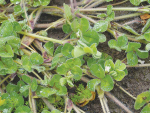
Recent widespread autumn rain will have triggered the germination of subterranean clover seeds, and the resulting seedlings should be allowed to reach the 3–4 trifoliate leaf stage before grazing, says Beef+Lamb NZ.
A hub farm in each of Beef + Lamb NZ’s seven regions and more focus groups are being rolled out for the red meat sector this year.
The red meat sector is poised for a strong rebound this season, with export receipts forecast to top $10 billion and farm profitability to almost double.
Progeny testing at Pāmu’s Kepler farm in Southland as part of Beef + Lamb New Zealand’s Informing New Zealand Beef programme is showing that the benefits of hybrid vigour could have a massive impact on the future of beef breeding.


Federated Farmers has welcomed new rural policies released by ACT, saying they align closely with its own election priorities.

Rural Contractors NZ says proposed changes to land transport rules for agricultural vehicles are a welcome response by the Government to out of date regulations which have seen members hit with huge fines.
Alliance is calling for final applications for its 2027 Graduate Programme, with applications closing on Sunday 25 October.
Decades piloting planes has ensured vet and farmer David Hayes is focused on safety. So, after a serious accident while welding on farm, he is sharing his experience so others can learn from it.
Canterbury milk processor, Synlait Milk has confirmed Leon Fung as its chief executive officer.
OPINION: Making it easier to collect rainwater and use it to grow crops and livestock is a no brainer.

OPINION: The same mainstream media muppets that brought you Jacindamania in 2017 have been flat out pimping for the Opportunities…
OPINION: Your old mate reckons the atrocious way farmers in the UK are treated by their lords and masters in…




