
Ag aviation in strife
The downturn in the farming sector - especially sheep and beef - is having a detrimental impact on the agricultural aviation sector.




 increase font size
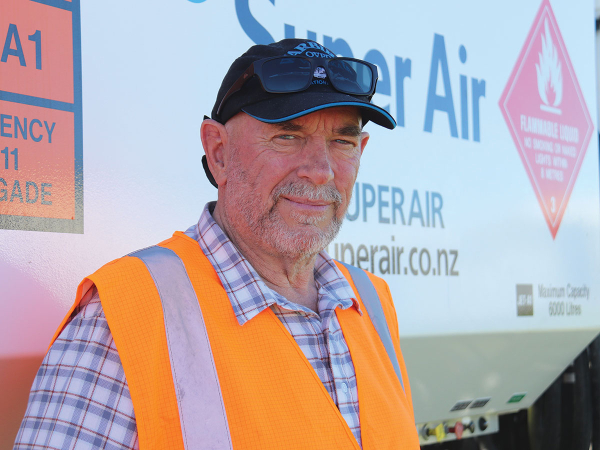 Tony Michelle
Wet autumn weather is posing challenges for aerial topdressing operators and farmers are being urged not to put pressure on pilots to fly in borderline conditions where safety could be at risk.
The executive officer of the NZ Agricultural Aviation Association (NZAAA), Tony Michelle, says operators across the country are facing multiple bad weather events, and narrow windows in which to operate mean it's simply not possible to get everyone's fertiliser on when they ideally want it.
"Infrastructure and airstrip conditions are compounding the problem," Michelle told Rural News.
"Soft-surface airstrips that cut up and sites that trucks cannot access when wet all contribute to delays, creating knock-on effects for other farmers. Truck operators usually have the capacity to move product, but they are dealing with the same access problems to airstrips and bins as the pilots are," he says.
Michelle says uncovered fertiliser bins are also a problem and can cause delays, which in turn affects other clients waiting for the aircraft to arrive.
He says a client's expectations can put pressure on pilots and that can lead to pilots pushing out the safety envelope.
"And we certainly don't want that to happen," he says.
Michelle says while an airstrip may only be used a few times a year, it is still important for farmers to keep them up to a high standard.
He says aircraft and loading equipment is very expensive and their people need good facilities if they are to deliver safely, efficiently and on time.
"These issues are not new. If we can work together on facilities, timing and preparation, we can make better use of suitable weather envelopes, optimise industry's resources and ensure fertiliser is applied when it will do the most for pasture and production," he says.
As an aside, Michelle says despite the global crisis, fertiliser activity has stayed constant.
He puts this down to the fact that, apart from nitrogen, there hasn't been a significant increase in the cost of other fertilisers.
He says any increase appears to be offset by the good returns that farmers are currently receiving.
But Michelle says things may change in spring if the cost of fertiliser and fuel goes up.
The downturn in the farming sector - especially sheep and beef - is having a detrimental impact on the agricultural aviation sector.

Despite rising prices, it appears that farmers haven't stopped top dressing.



National’s pledge to introduce 19 new national standards shows the party is serious about getting Wellington out of farming, Federated Farmers says.
The National Party’s policies to make it easier to grow fresh vegetables, secure reliable water and energy and simplify farm planning are practical changes that will give growers the confidence to invest, according to Horticulture New Zealand (HortNZ).
Fonterra Co-operative Group chief financial officer Andrew Murray has resigned to take up a role outside the dairy giant.
A major move is about to get underway to improve the quality and viability of dairy beef and cattle in NZ.
Veterinarians say changes to the code of welfare for dairy cattle provides a positive foundation for improved cattle welfare across the country.
Today, 15 October, is the International Day of Rural Women, which recognises rural women’s contribution to farming, communities and the environment.




OPINION: The same mainstream media muppets that brought you Jacindamania in 2017 have been flat out pimping for the Opportunities…
OPINION: Your old mate reckons the atrocious way farmers in the UK are treated by their lords and masters in…




