
China No Longer Just A Commodity Story - Luxon
China remains New Zealand’s biggest market, taking $23 billion of our exports, but it’s no longer a commodity story, says Prime Minister Christopher Luxon.




 increase font size
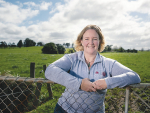
 Entrepreneur Diane Foreman.
Entrepreneur Diane Foreman says she does not oppose the selling of dairy farms to Chinese buyers, provided the money is reinvested back into NZ business.
Asked her view about farmers selling farms to the Chinese – during the Dairy Womens Network conference – Foreman says she sold her ice cream business, New Zealand Natural, to the Chinese and another business to the Americans.
"So it's a really vexed question, but I say this: both times I have sold my businesses I have sold them to multi 'gazillionaires'. Both of them have grown much, much bigger businesses in NZ.
"The spinoff for NZ has been much bigger than if I had retained them. They have grown the workforce, there are more jobs in NZ; they have grown the brand.
"But the important thing is I have got my money back and I have been able to invest in other businesses and do it all over again.
"I am not [opposed to] selling a dairy farm to the Chinese because maybe you can take that money and invest it in something else. What I would hate to see is people selling their business, getting the money and then losing it."
She says people should get good advice to reinvest the money.
She was asked if the Chinese businessman who bought New Zealand Natural in June last year still used NZ milk or was he sourcing it in China?
Foreman says he will never use Chinese milk; the big draw for him was the quality of NZ milk.
With the Chinese buyer "there would be no way in a million years he would use anything but NZ milk". "To the extent that he is actually looking at taking raw milk to China – the flavour, the profile is everything they would want."
People were queuing up to drink and eat her products at her New Zealand Natural outlets in Beijing because the NZ brand says so much.
"The Chinese don't want to take our product and rebrand it as theirs. That is the value in our raw materials," she says.
What makes high net worth individuals invest in NZ is our geographic isolation: we have a natural moat around us – the rainfall, the grass and the "awesome" dairy industry. "We have a dairy industry that the rest of the world wants."
China remains New Zealand’s biggest market, taking $23 billion of our exports, but it’s no longer a commodity story, says Prime Minister Christopher Luxon.
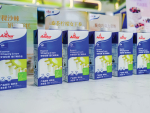
Fonterra is strengthening its foodservice presence in China with the launch of a new cream for professional bakeries at Bakery China 2026 in Shanghai.
OPINION: What does the birth rate in China have to do with stock trading? Just ask a2 Milk Company.
Additional tariffs introduced by the Chinese Government last month on beef imports should favour New Zealand farmers and exporters.
One of the most galling aspects of the tariffs whacked on our farm exports to the US is the fact that, now more than ever, US farmers are being propped up by government welfare – a direct result of Trump’s hardline on its trading partners.


Federated Farmers has welcomed new rural policies released by ACT, saying they align closely with its own election priorities.

Rural Contractors NZ says proposed changes to land transport rules for agricultural vehicles are a welcome response by the Government to out of date regulations which have seen members hit with huge fines.
Alliance is calling for final applications for its 2027 Graduate Programme, with applications closing on Sunday 25 October.
Decades piloting planes has ensured vet and farmer David Hayes is focused on safety. So, after a serious accident while welding on farm, he is sharing his experience so others can learn from it.
Canterbury milk processor, Synlait Milk has confirmed Leon Fung as its chief executive officer.
OPINION: Making it easier to collect rainwater and use it to grow crops and livestock is a no brainer.

OPINION: The same mainstream media muppets that brought you Jacindamania in 2017 have been flat out pimping for the Opportunities…
OPINION: Your old mate reckons the atrocious way farmers in the UK are treated by their lords and masters in…




