Wednesday, 04 June 2025 10:55

Sheep and beef farmers approve FMD readiness agreement with government

Written by  Staff Reporters
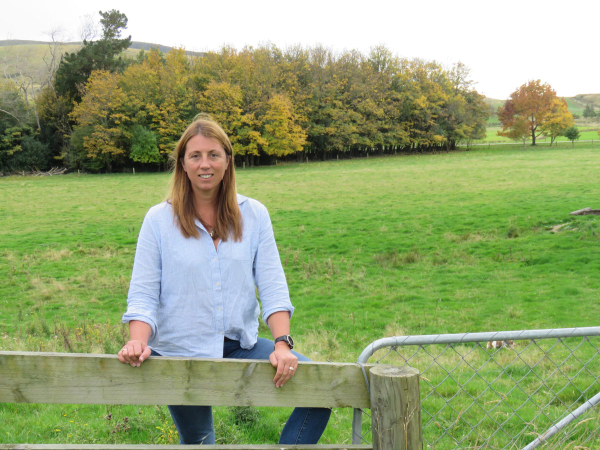
Beef + Lamb NZ chair Kate Acland Beef + Lamb NZ chair Kate Acland

Sheep and beef farmers have voted to approve Beef + Lamb New Zealand signing an operational agreement between the agricultural sector and the Government on foot and mouth disease readiness and response.

Over 96% of farmers voted in support.

Voting, which was conducted online and was open to all farmers on B+LNZ's electoral roll, closed on Friday 16 May. It was a weighted vote, although the weighted result was very similar to the one-farmer-one-vote result (at 95.05%).

The final percentage (turnout) was 14.67%, being 2,039 votes received from 13,899 farmers.

Chair Kate Acland says she's pleased B+LNZ can now sign the agreement.

"The board felt that signing the agreement was the best option for our farmers, but we needed farmer input and approval.

"Keeping foot and mouth disease out of New Zealand should still be our number one priority but it's important that we're as prepared as possible in the unlikely event it does arrive. It's especially important that sheep and beef farmers have a voice in decision-making about how any response effort would be funded and the money spent.

"It's like to thank all those farmers who used their voice on this important issue."

B+LNZ will sign the agreement at an upcoming event.

More like this

Clostridial Disease in Lambs: NZ Vaccination Guide

Although preventable, lamb loss from clostridial diseases during the first year of life on New Zealand hill country farms continues to be an issue. A field trial, where lambs were vaccinated at docking and weaning, demonstrated that vaccination was highly effective, lowering clostridial deaths by 23%. Zoetis veterinarian Dr Victoria Chapman unpacks the importance of robust animal health programmes, vaccination timing and the potential harmful consequences for stock when vaccination isn't given.

BVD Control in Dairy Herds: How to Find & Remove PI Animals

Bovine Viral Diarrhoea (BVD) is estimated to cost New Zealand's dairy and beef industries more than $150 million every year, yet many of the tools needed to control it are already well understood. After more than 25 years in veterinary practice, Andrew Weir, animal health technical specialist at LIC, has seen firsthand the impact BVD can have on herd performance. We asked him about the role of persistently infected (PI) animals and the practical steps farmers can take to reduce their risk.

Transition Period: The Make-or-Break Window for Dairy Cows

The transition period is the make-or-break window for your entire season. If this period is poorly managed, you don't just see a few downer cows, you see a downward spiral that affects the cow's health, production and reproduction long into the season.

Featured

RSE Scheme Changes Coming - McClay

Agriculture Minister Todd McClay has admitted that a scheme bringing workers from Pacific nations to work on orchards has become too hard to navigate but says changes are coming.

Andy Macfarlane Joins AgriZeroNZ Board

Canterbury farmer Andy Macfarlane has been appointed to the board of AgriZeroNZ, the public-private partnership designed to accelerate the development and deployment of emissions reduction tools for New Zealand farmers.

National

Machinery & Products


» Latest Print Issues Online

The Hound

True Reflection?

A fair question has been raised about how member-funded organisations should conduct themselves when taking a public position on any…

Civil Circus!

OPINION: It really is getting harder to lampoon government bureaucrats when they do such a good job of it themselves.…

» Connect with Rural News

» eNewsletter

Subscribe to our weekly newsletter