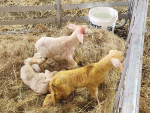
Beef + Lamb NZ's Lambing Kit Checklist for a Tough Season
With lambing underway in many regions, Beef + Lamb New Zealand is encouraging farmers to put together a wellequipped lambing kit to help minimise lamb losses, particularly in bad weather.




 increase font size
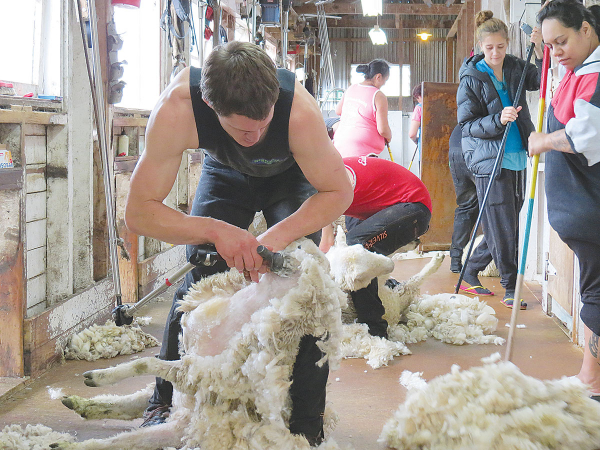 The Shearing Contractors Association has put out a set of guidelines on shearing in conjunction with Fed Farmers, which has been provided to MPI and Beef+Lamb.
Shearing has been deemed an essential service, but people must come first, says Mike Barrowcliffe, NZ Shearing Contractors Association president.
“The last thing an 80-year-old farmer wants is a whole lot of young people who haven’t been self-isolating turning up to his place to shear his sheep,” he says.
Everyone should put safety first throughout the whole supply chain – from the farmers themselves to contractor employees, Barrowcliffe told Rural News.
“They need to ask the questions, is it essential and can it wait?” he says.
He says while everyone wants to go to work, not all can at the moment for many different reasons.
“We have to be mindful and respect people’s opinion. They might have an underlying health issue; someone they are caring for may have one or it may just be the age demographic.”
Barrowcliffe says everyone is taking Covid-19 very seriously.
“The self-isolation, the farmers preparing their work sites, what the shearing contractors are doing to get their staff to work, and while at work and once they have left work as well.”
He says animal welfare issues also must have priority.
“Let’s use preventive animal welfare issues rather than reactive ones.”
The New Zealand Shearing Contractors Association has put out a set of guidelines in conjunction with Federated Farmers which has been provided to MPI and Beef+Lamb.
“As long as everyone follows those and respects the intent of those well, I can’t see a problem with the current information we have and how to manage or control Covid-19.”
He says with so many jobs and tasks in farming you have to apply the rules as is required to each situation.
Barrowcliffe adds that flexibility is needed, but so is social responsibility.
“Reinforcing that yarn that farmers need to be proactive and think about what essential jobs are coming up, put steps in place to make sure that their work sites are set up for us to enter and for us to make sure we have got suitable staff that can come on and do the job for them.”
With lambing underway in many regions, Beef + Lamb New Zealand is encouraging farmers to put together a wellequipped lambing kit to help minimise lamb losses, particularly in bad weather.
Will a stronger, more coordinated voice help rebuild confidence and improve returns in the wool sector?
A Palmerston North shearer has been sentenced to six months' community detention and 12 months' supervision after being found to have physically abused three lambs while shearing them.
Organisers are expecting another full field of 40 of the country’s top shearers for the popular Speed Shearing event at this year’s Southern Field Days at Waimumu.
On January 5th at Te Pa Station, the World Sheep Shearing Records saw a new nine-hour strong wool ewes shearing record set by Simon Goss.


Federated Farmers has welcomed new rural policies released by ACT, saying they align closely with its own election priorities.

Rural Contractors NZ says proposed changes to land transport rules for agricultural vehicles are a welcome response by the Government to out of date regulations which have seen members hit with huge fines.
Alliance is calling for final applications for its 2027 Graduate Programme, with applications closing on Sunday 25 October.
Decades piloting planes has ensured vet and farmer David Hayes is focused on safety. So, after a serious accident while welding on farm, he is sharing his experience so others can learn from it.
Canterbury milk processor, Synlait Milk has confirmed Leon Fung as its chief executive officer.
OPINION: Making it easier to collect rainwater and use it to grow crops and livestock is a no brainer.



OPINION: The same mainstream media muppets that brought you Jacindamania in 2017 have been flat out pimping for the Opportunities…
OPINION: Your old mate reckons the atrocious way farmers in the UK are treated by their lords and masters in…




