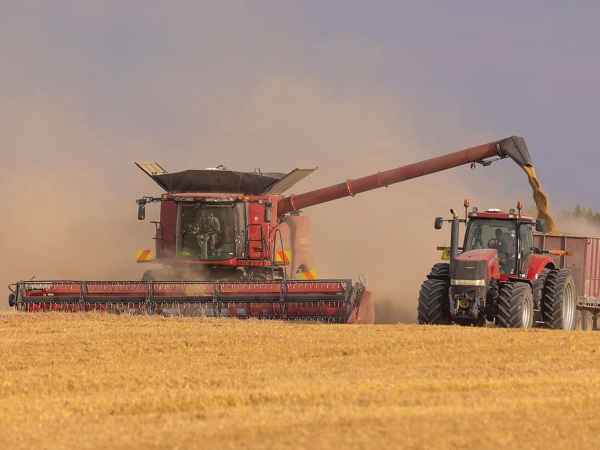
A warning for New Zealand seed and grain companies – be prepared for an exodus of farmers from the arable sector.
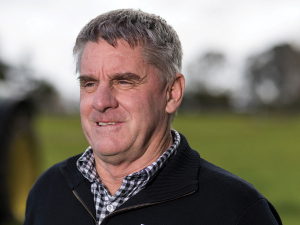
Farming leader and mid-Canterbury arable farmer David Clark says these companies do not know what is about to hit them as farmers leave the arable sector.
The former Federated Farmers provincial president said that just about every arable farmer he knew was looking at an exit strategy from the sector and most would be making some decision within the next six months.
“I don’t think that the grain and seed firms have got any concept of the tidal wave of change that is about to hit them,” he told Rural News.
“Just about every arable farmer that I discuss these issues with, everybody is looking at some form of land use change.”
Clark said that fertiliser and machinery prices were now more than double what they were five years ago. Chemical prices had gone up, as had all standing costs like rates, insurance, and power.
“And the firms have got the audacity to be offering us the same price now that they were for crops five years ago. It just doesn’t work.”
Clark, who farms at Valetta, near Mount Somers, says he does not see a sustainable future in arable and is considering all avenues of land use change to ensure he has a viable future.
Among his options were a simplified arable system with a significantly reduced area and number of crops, dropping out of all specialist crops, finishing more beef cattle or lambs, wintering dairy cows, or “going the whole hog” and converting to a fully self-contained dairy operation.
Dairy would be a significant capital-intensive jump but if they do go to dairy, it would 1000 cows, fully self-contained.
“If we decide that’s our future, we’ll embrace it. At the moment, we see that probably the biggest risk for us is not making a decision.”
The costs of growing arable crops had increased significantly but that hasn’t been reflected in the prices received.
Clark said his worst performing crop at the moment was grass seed and the only way for it to be viable was if they finish lambs on it before and after harvest.
“So, if we’re making money out of growing livestock on that grass and losing money growing the seed, well the sooner we stop growing it as a seed crop and just grow it as a pasture, the better.
“Quite simply growing a grass seed and receiving $2.80 a kg for a product that’s sold retail at $15 is just not sustainable for us.”
Clark said that the future of the industry is in the hands of the grain and seed merchants who have the ability to pay a price that reflects the cost of production - otherwise, their own businesses may suffer.
“We as arable farmers have very viable alternative land uses that do not operate as loss making enterprises, so we can change.
“The grain and seed companies, they may find it extremely difficult to place crops in the coming years and we may well see rationalisation amongst the firms and many having to retrench.”