
Southern Dairy Hub Rides Out Wet Southland Winter
Managing feed by sticking to a firm plan has helped the Southern Dairy Hub (SDH) demonstration farm survive an extremely wet winter, says the farm's acting general manager Greg Delaney.




 increase font size
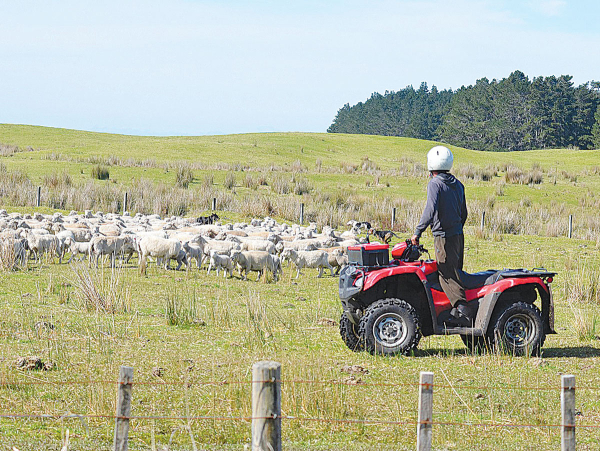
Farmers across parts of Southland and South Otago are continuing to deal with difficult conditions after a prolonged run of wet weather, with pressure building around feed supply, stock management, pasture damage, farm infrastructure and everyday workloads.
The Rural Co-ordination Group (RCG) met this week to assess conditions across the region and coordinate support for affected farming communities.
The group brings together Rural Support Trust Southland & Otago, the Ministry for Primary Industries, Environment Southland, Federated Farmers, Thriving Southland, Beef + Lamb New Zealand and DairyNZ.
Southland Rural Support Trust Chair Simon Hopcroft said the group's focus centers on four priorities: people, animals, feed and property.
"The sustained wet weather is taking a real toll across parts of Southland and South Otago. Every farm is different, but many farmers and their teams are dealing with added pressure, difficult decisions and long days," Hopcroft said.
"Our message is simple: you do not have to carry this alone. Talk with your neighbours, trusted advisers, veterinarian, bank, industry organisation or the Rural Support Trust. Reaching out early can help identify practical options and risks before the pressure builds further."
The RCG has outlined a set of practical actions for farmers to consider in the current conditions:
The RCG's current understanding is that supplementary feed remains available, although silage supply is very tight, and transport and logistics networks are under increasing pressure.
Farmers who anticipate needing additional feed are encouraged to plan early, rather than waiting until supplies or delivery options become more constrained.
Hopcroft acknowledged that prolonged difficult conditions can affect farmers physically and mentally, not just their operations.
"Looking after yourself and your people is just as important as looking after the farm. Keep checking in with each other, and if things are feeling overwhelming, talk to someone you trust or contact the Rural Support Trust," he said.
Stakeholder organisations are planning farmer support and wellbeing events across the region, giving farmers opportunities to access practical information, hear from rural professionals and connect with others facing similar conditions.
Organisations running these activities are being encouraged to register them on the Rural Support Trust Southland & Otago events calendar, so support can be coordinated and spread across communities rather than clustered.
The RCG is also keeping government Ministers and agencies informed, so decision-makers have an up-to-date picture of the challenges facing rural communities in Southland and South Otago.
Hopcroft pointed to the wider community response as a strength of the current situation.
"We are seeing neighbours helping neighbours, rural professionals stepping up and organisations working together to get support where it is needed," he said.
"Southland and Otago farmers are resilient, but resilience does not mean managing everything on your own. Support is available, and we encourage farmers to make use of it."
Managing feed by sticking to a firm plan has helped the Southern Dairy Hub (SDH) demonstration farm survive an extremely wet winter, says the farm's acting general manager Greg Delaney.
Central Otago District Council (CODC) has voted against a plan to spread treated sewage sludge from Cromwell and Alexandra on farmland near Lauder, a decision Federated Farmers says reflects strong opposition from rural residents.
Federated Farmers has called on Central Otago District Council (CODC) to drop or vote down a plan to truck sludge from Alexandra and Cromwell to farmland near Lauder, warning it would compound an "outrageous" situation created by a separate council's decision weeks earlier.
In Dacre, near Invercargill in New Zealand’s South Island, Bruce Dinnington is running a dairy operation unlike any other.
OPINION: The stats speak for themselves.


A major move is about to get underway to improve the quality and viability of dairy beef and cattle in NZ.
Veterinarians say changes to the code of welfare for dairy cattle provides a positive foundation for improved cattle welfare across the country.
Today, 15 October, is the International Day of Rural Women, which recognises rural women’s contribution to farming, communities and the environment.
Global dairy giant Lactalis has integrated its Australian operations with the Mainland Dairy consumer business it acquired from Fonterra earlier this year.
After almost two decades of sharemilking, saving and building equity, Aaron and Marcia Flay this year realised their long-held dream of settling on their first dairy farm.
Good medium to long term prospects for NZ beef, especially in the US, has heighted the focus on various initiatives to capitalise on this situation.




OPINION: The same mainstream media muppets that brought you Jacindamania in 2017 have been flat out pimping for the Opportunities…
OPINION: Your old mate reckons the atrocious way farmers in the UK are treated by their lords and masters in…




