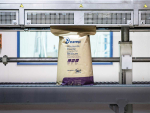
Milk Powder Prices Prop Up Farmgate Milk Price
Milk powder prices are keeping farmgate prices up, helping processors offset the dip in milk fat prices.




 increase font size
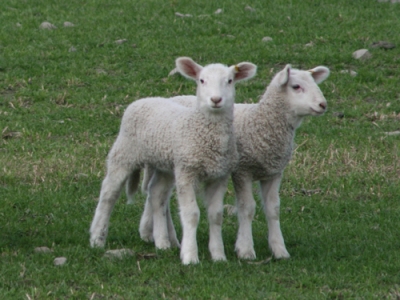 Lamb wool has been the ‘rock star’ this season.
Lamb wool has been the ‘rock star’ this season, with values about $1 above last year, according to Wool Services International’s Malcolm Ching.
Lamb wool averaged about $6.45 clean, he says. The demand was mainly driven by strong interest from China for inclusion in clothing and upholstery products, says Ching. They weren’t so interested last year but it is back in fashion this year.
Otherwise, the season is winding up and everything else just “pottered along”.
Meanwhile New Zealand Merino Company (NZM) has secured a new NZ$8 million fibre supply contract with United States sock and apparel manufacturer SmartWool. The one-year deal means 600 tonnes of New Zealand fine and medium micron wool will be shipped to the US for use in production of SmartWool’s performance and lifestyle socks and clothing.
NZM chief executive John Brakenridge says the deal with SmartWool continued an 18-year partnership worth NZ$150 million to NZM’s growers.
“The SmartWool contract is testament that a new way of doing business can work in our commodity-based primary sector,” he says. “When we first introduced the idea it was hugely disruptive, so it’s satisfying to see that the model has longevity. This new contract reinforces that.”
SmartWool president Mark Satkiewicz says the company’s focus on new product innovation had required more complex fibre micron and volume analysis in advance of the contract.
“We’re excited about this innovation and opening new supply opportunities for New Zealand growers. We value our loyal grower partners in New Zealand who understand and produce what we need here in the market.”
In addition, SmartWool’s customers were increasingly interested in the company’s “brand story” – particularly ZQ accredited fibre from NZM growers.
“Consumers, especially younger ones, are taking a much stronger interest in the origin and integrity of products. New Zealand farming has one of the strongest brand stories available.”
Milk powder prices are keeping farmgate prices up, helping processors offset the dip in milk fat prices.

New Zealand wool is reaching new heights as air filtration companies move away from synthetic products to biodegradable alternatives.
Chinese beef trade quotas and a looming suspension of Brazilian beef imports into the European Union are expected to reshape global beef trade flows over the remainder of 2026, with implications for New Zealand exporters, according to Rabobank's Q3 Global Beef Quarterly report.
Will a stronger, more coordinated voice help rebuild confidence and improve returns in the wool sector?
Ballance Agri-Nutrients has released its latest fertiliser outlook, detailing some of the current global trends influencing fertiliser supply. Ballance head of procurement Shane Crean takes part in a Q&A in the report:


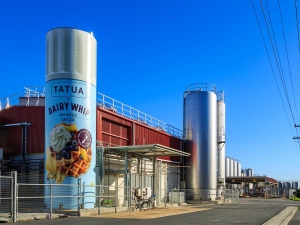
Waikato milk processor Tatua has again declared a record milk payout to farmer shareholders, leaving other processors in the dust.

A Labour-led Government won’t be bringing back the controversial freshwater rules of 2020.
National’s much-touted free trade deal with India featured in the Rural Issues Debate at Mystery Creek, Hamilton on Wednesday night.
New Zealand's 2026-27 freshwater fishing season has opened, with anglers encouraged to head to rivers and lakes over the coming days as conditions look favourable across much of the country.
Central Otago District Council (CODC) has voted against a plan to spread treated sewage sludge from Cromwell and Alexandra on farmland near Lauder, a decision Federated Farmers says reflects strong opposition from rural residents.
Pāmu has released its FY26 Integrated Annual Report, reporting a Net Operating Profit of $113 million, more than double the $49 million recorded in FY25.





OPINION: The same mainstream media muppets that brought you Jacindamania in 2017 have been flat out pimping for the Opportunities…
OPINION: Your old mate reckons the atrocious way farmers in the UK are treated by their lords and masters in…