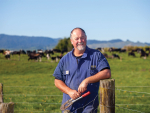
One person intimately involved in the new legislation to replace the Resource Management Act (RMA) is the outgoing chief executive of the Ministry for the Environment, James Palmer, who's also worked in local government.
He says the new system will be proportionate to managing things that really matter and heavily premised on reducing the amount of ambiguity and uncertainty in the system.
"The RMA has introduced planning and consenting processes that, for rural landowners, created a high degree of uncertainty and held a Sword of Damocles over farming operations. The new system will bring about more clarity and certainly a lot more quickly, and in that respect, I believe that rural NZ will welcome the changes," he says.
Farmer reaction to the new laws has generally been welcoming, but both DairyNZ and Beef+Lamb NZ say they need time to come to grips with the fine print. B+LNZ chair Kate Acland says the legislation is highly complex and technical and they want to make sure there are no perverse outcomes.
"We need to ensure the proposed farm planning process that will replace consents does not inadvertently lead to more red tape for our farmers," she says.
The chair of DairyNZ, Tracy Brown, says they want to ensure the changes are truly beneficial to their farmers. But they support the idea of reducing complexity, having greater consistency and having fewer consents.
"But we have concerns around how environmental limits will be set and the suitability of market-based approaches to allocatio n and levies for resource use," she says.
Read More:
Federated Farmers spokesperson Mark Hooper says there is lots of good news in the package. He cites the value of having certified farm plans, removing the need in most cases for farmers to get a consent.
"On balance, we think these two bills are a major step forward and will dramatically improve the productivity of farming in NZ," he says.
HortNZ's chief executive Kate Scott says the reforms are a good first step and signal that the Government is serious about ensuring NZ has a thriving horticulture sector. But she says they need to see the regulatory detail to better understand if the changes will achieve measurable outcomes for growers.
"They will be looking for clear signals that the changes recognise the national importance of food production and provide a framework that enables sustainable long-term investment," she says.