International Day of Rural Women: Two DairyNZ Farmers’ Stories
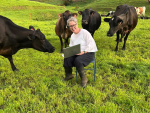
Today, 15 October, is the International Day of Rural Women, which recognises rural women’s contribution to farming, communities and the environment.




 increase font size
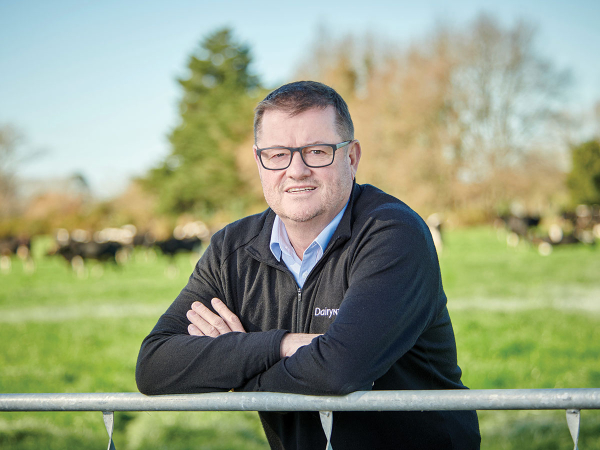 Campbell Parker
OPINION: New Zealand's dairy sector has been a mainstay of this country's prosperity for generations.
It remains our largest goods export sector, suporting regional communities, jobs and stable economic activity across the country.
At the same time, it's an incredibly fast-moving sector to be part of. The market conditions farmers operate in are changing rapidly - led by consumer expectations that continue to grow and evolve.
Technology is moving quickly and is closing the gap between consumers and where their food comes from. Our generally ageing and more discerning consumers are seeking out nutritionally dense foods that support their changing life stages. They're also asking more questions about how food is produced.
A the same time, within the communities where we farm, freshwater expectations are evolving. Climate pressures are increasing.
New Zealand dairy is one of nature's superfoods and is incredibly well placed to take advantage of these trends. Demand for premium dairy product continues to grow across almost every key market, while New Zealand's reputation for quality, safety and pasture-based farming gives us a significant competitive edge.
The opportunity is there for us - if we choose to take it.
But standing still is not an option. Our competitors see the same opportunity as we do. They are innovating and adapting at an incredible rate and by comparison, we may not have challenged ourselves as hard as we could have as a sector - enjoying both a brief respite in regulatory burden and the limelight that comes from propping up the national economy.
The reality is that future value growth will look different to the past.
There will be an abundance of opportunities for dairy systems that are supported by modern infrastructure, better environmental management, improved genetics and emerging technologies.
New Zealand has an opportunity to lead globally in demonstrating what highly productive, lower-impact pastoral farming systems can look like.
That means continued investment in science, innovation and practical on-farm solutions. It also means closer collaboration between sector, government, researchers, technology providers, and farmers themselves, alongside a willingness to put the consumer at the heart of our sector and constantly adapt.
Encouragingly, many of the tools needed are already emerging:
All of these tools protect value by helping us to maintain our emissions and compete on sustainability. Most also improve resilience, productivity and long-term farm performance.
As a sector the next decade will also provide an abundance of opportunities to show customers, and our country, the difference these tools are already making.
New Zealand dairy has spent decades adapting to changing markets, regulations and expectations. Farmers have consistently shown they are capable of innovation and improvement when given practical tools, clear direction and the right incentives.
The next phase of that evolution is already underway.
The challenge now is ensuring New Zealand moves quickly enough, collaboratively enough and strategic enough to remain globally competitive while continuing to improve our environment.
That is not just a challenge for farmers. It is a national challenge and a NZ Inc opportunity.
Campbell Parker is DairyNZ chief executive.
Today, 15 October, is the International Day of Rural Women, which recognises rural women’s contribution to farming, communities and the environment.
The first major update to the Dairy Cattle Code of Welfare in more than a decade has been released, marking what DairyNZ describes as an important step in ensuring animal welfare standards continue to evolve alongside scientific evidence and on-farm realities.
Have a plan in place for your cows and staff.
DairyNZ deputy chair Cameron Henderson has been re-appointed unopposed for another term.
OPINION: The stats speak for themselves.
Mark Hooper has been appointed the new chair of NZPork, the industry organisation representing New Zealand pig farmers.

As the India-New Zealand free trade agreement enters into force, New Zealand’s apple industry has reaffirmed its commitment to the long-term development of India’s apple sector.
Fonterra shareholders can begin voting on Tuesday 20 October in the 2026 Board of Directors’ election, a Co-operative Council election in one Ward, and seven Annual Meeting resolutions.
National’s pledge to introduce 19 new national standards shows the party is serious about getting Wellington out of farming, Federated Farmers says.
The National Party’s policies to make it easier to grow fresh vegetables, secure reliable water and energy and simplify farm planning are practical changes that will give growers the confidence to invest, according to Horticulture New Zealand (HortNZ).
Fonterra Co-operative Group chief financial officer Andrew Murray has resigned to take up a role outside the dairy giant.


OPINION: The same mainstream media muppets that brought you Jacindamania in 2017 have been flat out pimping for the Opportunities…
OPINION: Your old mate reckons the atrocious way farmers in the UK are treated by their lords and masters in…