Can Drones Destroy Hornet Nests?
Will drones be the answer to tackling the problem of wasp and hornet nests high up in trees and other inaccessible places?




 increase font size

Primary Industries Minister David Carter is welcoming a boost to New Zealand's biosecurity frontline with the graduation on Friday of 46 new recruits.
With training completed of the largest intake of border staff in over a decade, the Ministry for Primary Industries issued warrants to 43 new quarantine inspectors and three new detector dog handlers at a ceremony in Auckland.
"As the Government had planned, these new border staff will bring MPI's biosecurity frontline up to full strength and will help meet the demands of the summer peak season," says Carter.
"The quarantine inspectors and dog handlers are now ready to protect our primary industries and the Kiwi way of life by keeping unwanted pests and diseases out of the country."
The majority of the quarantine inspectors will be based in Auckland, and five will go to Wellington. The three new dog handlers will go to Auckland, Wellington and Christchurch.
Four existing warranted quarantine inspectors who have trained as dog handlers are also graduated. They will work with the 11 detector dogs that went through MPI's training centre earlier this year.
"Detector dogs and their handlers are an important part of our biosecurity frontline. The dogs' presence at the airport is a major factor, they are excellent at detecting seeds and plants that x-rays may miss, and they screen people faster than x-rays," Carter says.
Will drones be the answer to tackling the problem of wasp and hornet nests high up in trees and other inaccessible places?
Bovine Viral Diarrhoea (BVD) is sometimes viewed as a dairy industry issue, but the reality is that the disease can have serious consequences for beef breeding herds as well.
Election years are always a concerning time for farmers, according to DairyNZ chair Tracy Brown.
Testing confirms H5 bird flu in a single northern giant petrel, found dead on a remote Cape Palliser beach in the Wairarapa, says Dr Mary van Andel, the Ministry for Primary Industries' (MPI) Chief Veterinary Officer.
Bovine Viral Diarrhoea (BVD) is sometimes viewed as a dairy industry issue, but the reality is that the disease can have serious consequences for beef breeding herds as well.


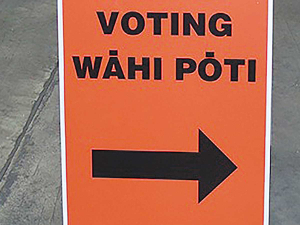
OPINION: As election day looms, rural NZ seems to have pressed the pause button – held somewhat in limbo on an orange light.
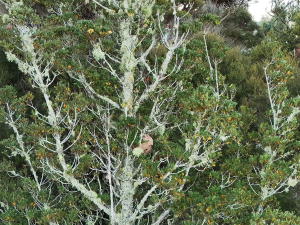
Will drones be the answer to tackling the problem of wasp and hornet nests high up in trees and other inaccessible places?
Canterbury milk processor Synlait has come through tough times and is now ready to scale up from a stable base, says its newly confirmed CEO Leon Fung.
NZPork says a ham made in New Zealand is not necessarily made from New Zealand pork.
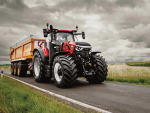
Rural Contractors NZ says proposed changes to land transport rules for agricultural vehicles are a welcome response by the Government to out-of-date regulations which have seen members hit with huge fines.
With New Zealand’s greenhouse gas emissions in the spotlight, Auckland scientist Nathan Balasingham says there’s a better way to tackle the problem than shrinking cow numbers or fertiliser usage.


OPINION: The same mainstream media muppets that brought you Jacindamania in 2017 have been flat out pimping for the Opportunities…
OPINION: Your old mate reckons the atrocious way farmers in the UK are treated by their lords and masters in…