Ospri Urges Farmers To Prepare NAIT Records Before Moving Day
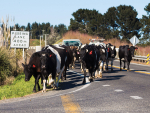
Moving Day (June 1) is just around the corner and farmers who are moving farms with the herd are being urged by Ospri to start preparations now.




 increase font size
 Ospri chief executive Sam McIvor.
Ospri is reducing TB testing frequencies and movement control measures as the disease risk subsidies in parts of the country.
This is good news for farmers as restrictions requiring frequent on farm testing and pre-movement tests come to an end.
For decades, much of the West Coast has operated under Movement Control Area (MCA) rules due to the historic spread of TB from wildlife - especially possums - to cattle and deer.
From 1 March 2026, most of the coast has transitioned to annual on farm testing only, with no pre movement testing required.
Specific MCSs in the Greater Wellington region, Karamea region and the Taramakau/Upper Ahaura region have also gone.
This has been possible thanks to sustained possum control, strong farmer participation, and a steady decline in TB risk across the region, says Ospri.
Ospri chief executive Sam McIvor says anytime they can reduce TB testing "is a good day".
He says TB testing costs are borne by farmers and the taxpayers.
"There's also the imposition on farmers - when TB is identified in a herd, it causes emotional distress and financial, logistical, and management challenges for farmers," McIvor told Rural News.
If a herd is infected, strict movement restrictions are imposed, preventing the sale of animals except directly to slaughter, which disrupts farming systems and cash flow.
TB testing has been underway for over 40 years while systematically clearing the wildlife of possums, the main vector for the disease which affects cattle and deer.
Ospri's TBfree programme aims to achieve TB freedom in livestock by 2028 and in possums by 2040.
McIvor says the programme is now reaching its "pointy end".
He expects about 10-15 cases of TB infected farms "to be bubbling along in the coming years".
He said there were two remaining "epicentres" of TB among wildlife in New Zealand, namely east Taupo in the North Island and central Otago in the South Island.
 |
|---|
|
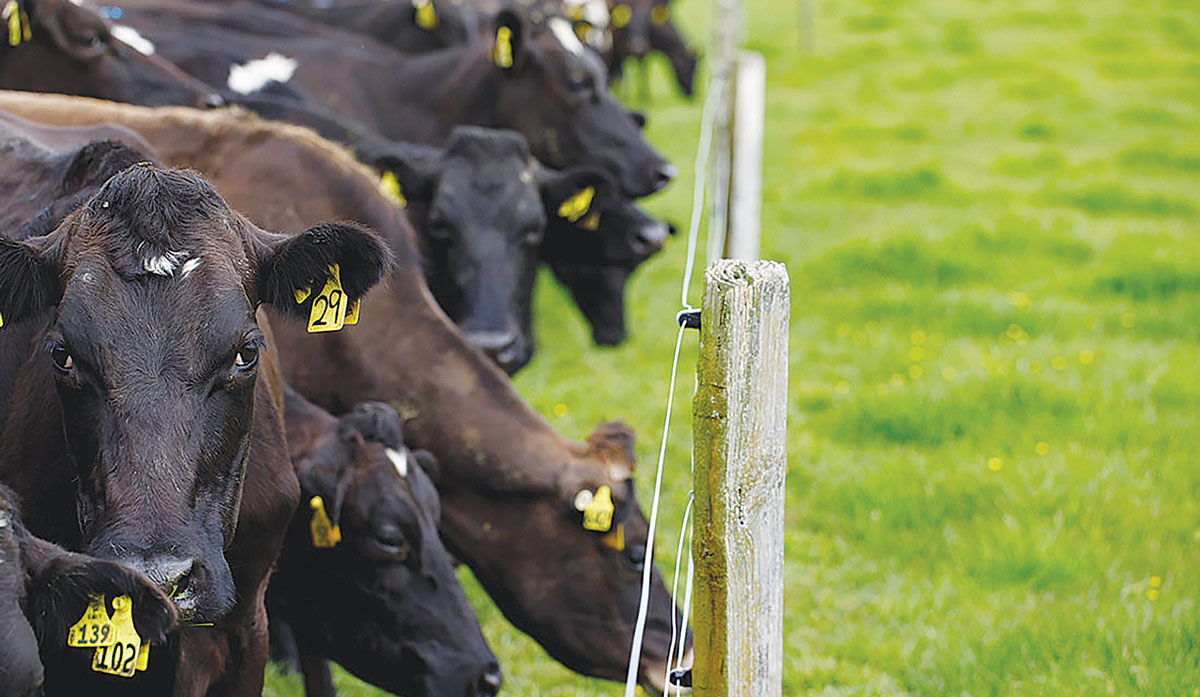
Ospri's TBfree programme aims to achieve TB freedom in livestock by 2028 and in possums by 2040. |
"We look to get the possum population low enough in any given area so that they cannot sustain the disease, then we have follow-up surveillance and monitoring," McIvor says.
However, both remaining TB hotspot regions in New Zealand are remote and difficult to access, due to either having dense vegetation or rocky terrain.
Ospri is using drones to locate concentration of possum populations in these two areas and aerial 1080, is the main method used to cull possums.
The New Zealand Government funds 40% of the TB eradication programme, with the other 60% coming from levies which are paid by farmers on milk collected and cattle slaughtered.
Moving Day (June 1) is just around the corner and farmers who are moving farms with the herd are being urged by Ospri to start preparations now.
From 1 October, new livestock movement restrictions will be introduced in parts of Central Otago dealing with infected possums spreading bovine TB to livestock.
The move to bring bovine TB testing in-house at Ospri officially started this month, as a team of 37 skilled and experienced technicians begin work with the disease eradication agency.
Southland farmer and director Tony Cleland has been named OSPRI New Zealand’s new chair.
Nick Beeby has been appointed as the new chief executive of the New Zealand Meat Board (NZMB).



National’s pledge to introduce 19 new national standards shows the party is serious about getting Wellington out of farming, Federated Farmers says.
The National Party’s policies to make it easier to grow fresh vegetables, secure reliable water and energy and simplify farm planning are practical changes that will give growers the confidence to invest, according to Horticulture New Zealand (HortNZ).
Fonterra Co-operative Group chief financial officer Andrew Murray has resigned to take up a role outside the dairy giant.
A major move is about to get underway to improve the quality and viability of dairy beef and cattle in NZ.
Veterinarians say changes to the code of welfare for dairy cattle provides a positive foundation for improved cattle welfare across the country.
Today, 15 October, is the International Day of Rural Women, which recognises rural women’s contribution to farming, communities and the environment.





OPINION: The same mainstream media muppets that brought you Jacindamania in 2017 have been flat out pimping for the Opportunities…
OPINION: Your old mate reckons the atrocious way farmers in the UK are treated by their lords and masters in…




