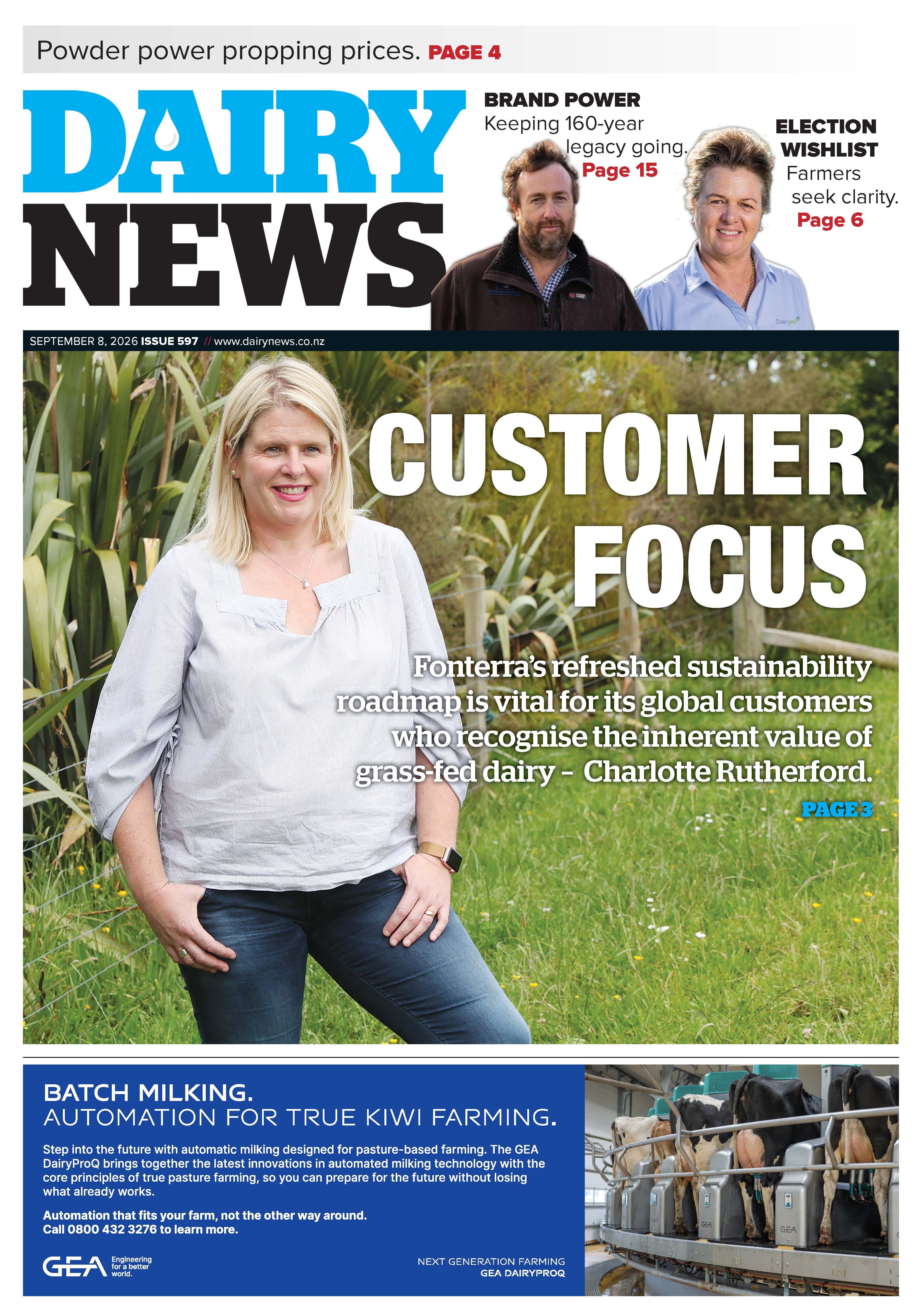
NZ Red Meat Exports Hit $867m in August, Up 23%
New Zealand's red meat and fifth-quarter exports reached $867 million in August, up 23% on the same month last year, as stronger returns lifted earnings across all major markets.




 increase font size
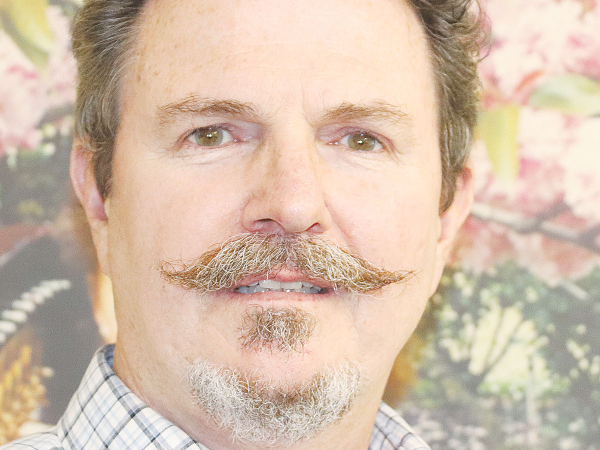 Orchardist Paul Paynter says there’s a problem with plant import health standards.
A Hawke's Bay apple orchardist supports the Government's objective of doubling exports but says this won't happen in the horticulture sector unless there's a change in the process for bringing new plant material into the country.
Paul Paynter says plants are complex organisms and there's a problem with the plant import health standards. He says it's not so much that they are old, so much as they don't exist at all. Many of them have been suspended, so there is no pathway for introducing new material at all.
"So, it's the absence of import health standards that is the problem," he told Rural News.
"A report from the Northland region identified five new crops that could be grown there; four of the five don't have health import standards," he says.
Paynter adds that if you want to import blackcurrants there is no pathway and the same applies to quince, which is also as rootstock for pears. There's no pathway for pears either, he says.
Paynter says while biosecurity is paramount to all the primary sectors, this needs to be cost effective, and he questions whether MPI's planned new quarantine facility in Auckland meets that criteria.
He says the emphasis should be on quickly reviewing the plant import pathways before investing in a new quarantine facility in Auckland. He says growers want an end to lengthy, costly and ponderous pathways to get new plant material into the country.
"The biggest impediment to imports is the kiwifruit industry. They consider all imports a risk and are making a fortune.
"So, they have the hermit kingdom approach. Competition is coming for them, and they don't understand that they need new germplasm too - watch what happens in 10 years' time," he says.
Catch The Hitchhikers First
Paul Paynter says greater use could be made of overseas testing facilities which handle large volumes of plant materal, have the latest technology and can thus reduce the cost to NZ.
Paynter says while Australia has made mistakes in this area in the past, it is now adopting more progressive technologies to test faster and more cost effectively. He says while importing plant material is regarded as high risk, the reality is that he's not aware of any problems in this area in the past 30 years.
Most of the problems that NZ has encountered in recent years, says Paynter, have come via passengers or goods arriving from overseas. The problem is there are a lot of "hitchhiker pests" such as the brown marmorated stink bug which could be a huge threat to our industry.
"We know that when importing any machinery in September or October when it's getting cold in Europe, pests fly inside and they are everywhere, including peoples' bags. There is a lot of the fresh produce that comes into the country and some of it is fumigated, but we have found recently [with] imported grapes, the phytosanitary certificate was found to be not appropriate for NZ," he says.
Paynter says there's a belief that NZ is too permissive in regard to hitchhiker pests and too bureaucratically stringent on plant import pathways.
He says there needs to be a holistic approach and not a bureaucrat-led risk averse system where nothing gets down for feat of making a mistake.
Paynter says NZ is losing good people to Australia because of the restrictive nature of our system. He says it is not always money that is the attraction - it's the work opportunities.
"I'm sick of the virtue signalling by Wellington politicians. We need practical solutions and if we don't, we'll end being the basket case of the South Pacific," he says.
New Zealand's red meat and fifth-quarter exports reached $867 million in August, up 23% on the same month last year, as stronger returns lifted earnings across all major markets.

Meat Industry Association data, released alongside the Red Meat Sector conference in Wellington, shows export value climbing across the US, China, UK and Canada.
OPINION: The stats speak for themselves.
New Zealand exports to the European Union have surged by $3 billion in two years under the New Zealand-European Union Free Trade Agreement.
Horticulture New Zealand (HortNZ) says a new report projects strong export growth for New Zealand's horticulture sector highlights the industry's increasing contribution to the national economy.


Farmer-owned fertiliser company, Ballance Agri Nutrients is welcoming National’s plan to negotiate security agreements with key supplier countries to protect New Zealand-bound products from export restrictions and greater supply chain certainty.

Carrfields has announced the appointment of Stu Hall to the newly created role of chief operating officer, Carrfields Ltd, reflecting the continued growth of their agribusinesses and the need to ensure the company has the leadership capacity and support in place as it pursues the emerging opportunities ahead.
New Zealand's role is not to compete with Indian growers, according to NZ Apples and Pears.
The potato industry is celebrating the success of two rising stars - James Blair, the 2026 Young Grower of the Year and runner-up and innovation award winner, Amber Davy.
Twenty-eight emerging leaders from across the horticulture sector spent two days last month learning valuable skills and connecting with industry experts.
There are five entrants in this year’s Young Horticulturist of the Year, competing in a series of technical, practical, business and leadership challenges.





OPINION: The same mainstream media muppets that brought you Jacindamania in 2017 have been flat out pimping for the Opportunities…
OPINION: Your old mate reckons the atrocious way farmers in the UK are treated by their lords and masters in…