
Tongan Student Wins Final William Gearish Award
Vetekina Pau'u is the first Tongan to win the William Gearish Memorial prize and sadly she will also be the last recipient.




 increase font size
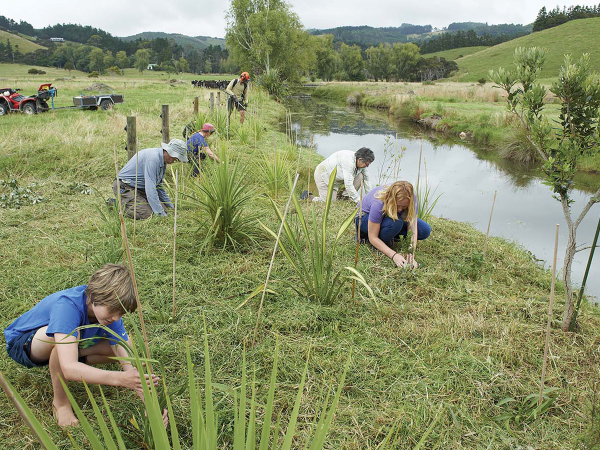 A catchment approach, involving local people, scientists and regulatory groups, will pick the catchment apart and come up with solutions, says Chris Anderson.
The quest to find innovative practical, scientific solutions to deal with water-related issues at a catchment level has been the theme of an important conference at Massey University last week.
Organised by the Farmed Landscapes Research Centre (FLRC) at Massey, the event attracted a wide range of experts from research organisations, local and central government as well as farmers and rural professionals.
Keynote speakers from Ireland, the US and Denmark provided attendees, plus those viewing online, with an international perspective on the issue.
Another keynote speaker was Associate Agricultural Minister and Manawatu dairy farmer Andrew Hoggard. He praised Massey for its initiative in staging the conference and noted the changes that have taken place for the better in the sector since he first started milking cows.
He says farmers are natural innovators and spoke about the Government’s plans to reduce the paperwork and duplication that farmers currently face.
FLRC director, Professor Chris Anderson, says the two-day programme was themed around creating multifunctional farms and catchments and saw the presentation of a huge range of mainly scientific and technical papers delivered.
Topics included dealing with nitrate leaching using diverse pastures, carbon storage, wood chip bioreactors, detainment bunds and future priorities for soil research in NZ.
He says one can’t look at farms in isolation and it’s necessary to take a catchment approach which involves local people, scientists and regulatory groups who can pick the catchment apart and come up with multifunctional solutions.
He says that is what FLRC is all about – getting people together to put out their ideas and have some amazing context put around with our international speakers.
Anderson says while FLRC can’t control the policy and regulations, it can provide a forum where people can come in and explain what it means so we get some first-hand information, not just hearsay.
Amazing Science Week
Professor Chris Anderson says sadly last year they had to cancel the event, but this year it is back on with a lot of interest from the primary sector.
“Last year was a difficult year for NZ science in general. We saw a lot of budget constraints and a lot of restructuring taking place within science organisations. The result was that we didn’t have the interest in terms of papers, so we decided to pause and take a year off,” he says.
During the intervening year, Anderson says they sought feedback from past participants and the word from them was very encouraging.
 |
|---|
|
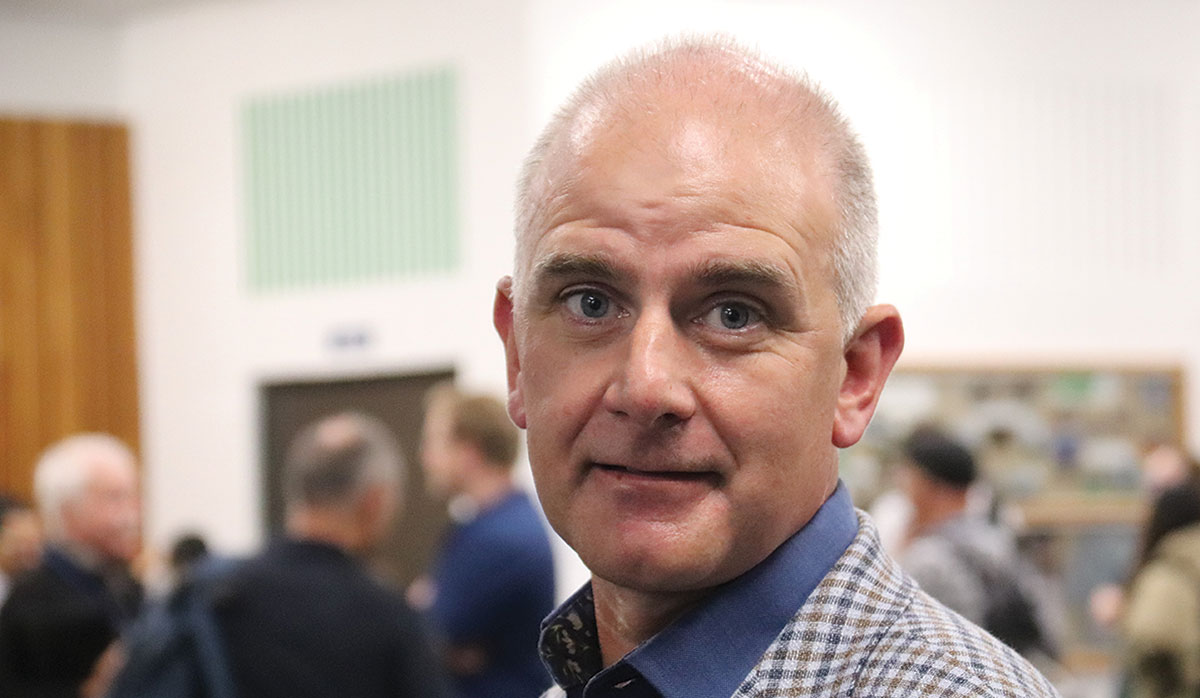
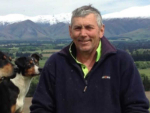
Professor Chris Anderson |
“They said this conference was a critical part of the science landscape and is unique on the calendar,” he says.
Anderson says there is no other forum that gets science, government researchers, farmers and public in one place without any bias or set agenda with the objective of brainstorming about the future.
Anderson says the cool thing about the conference was that it attracted other sub events such the NZ Society of Soil Science holding a council meeting on Monday. Then on Thursday after the conference, Massey hosted a field day on its $26 million, seven-year, flagship study on pastoral farming - Whenua Haumanu. Coincidently the NZ Agricultural Aviation Association was holding a demonstration at a nearby Fielding aerodrome.
“What we have ended up with is an amazing science week here in Palmerston North,” says Anderson.
Vetekina Pau'u is the first Tongan to win the William Gearish Memorial prize and sadly she will also be the last recipient.
Researchers at Massey University are using a special piece of scientific equipment to improve the measurement of greenhouse gas emissions from pasture soils.
Interest in agritech and production animal systems has prompted Massey University's School of Agriculture and the Environment to new majors to its popular animal science degree.
The industry is crying out for graduates with agricultural related degrees.
A four year trial has reaffirmed that mixing plantain into dairy pastures can help reduce nitrogen losses to freshwater while maintaining milk production and profitability, say researchers.



Alliance is calling for final applications for its 2027 Graduate Programme, with applications closing on Sunday 25 October.
Decades piloting planes has ensured vet and farmer David Hayes is focused on safety. So, after a serious accident while welding on farm, he is sharing his experience so others can learn from it.
Canterbury milk processor, Synlait Milk has confirmed Leon Fung as its chief executive officer.
OPINION: Making it easier to collect rainwater and use it to grow crops and livestock is a no brainer.
As part of its Election 2026 coverage, Rural News asked political parties how they would help pull the arable sector out of the doldrums. Here's what they said:
Farmers are being encouraged to rethink how they manage waste on farm with the launch of ruralwastesorted.co.nz, a new website bringing together practical tips, real farmer experiences and resources.




OPINION: The same mainstream media muppets that brought you Jacindamania in 2017 have been flat out pimping for the Opportunities…
OPINION: Your old mate reckons the atrocious way farmers in the UK are treated by their lords and masters in…




