Top Maori Orchard On Show
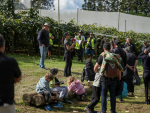
A large crowd turned out for the last of the field days of the three finalists in this years Ahuwhenua Trophy to determine the top Maori horticulture entity in Aotearoa New Zealand




 increase font size
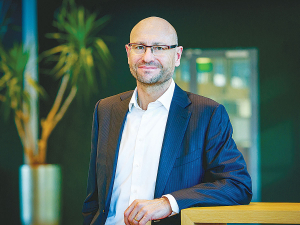
 Te Tumu Paeroa chief executive Charlotte Severne says Māori want to help reduce agricultural emissions, but rural communities must thrive for this to happen.
In an unusual move, the Māori Trustee and chief executive of Te Tumu Paeroa Dr Charlotte Severne says she'll be making a submission on the Government's agricultural emissions proposals.
Severne administers as trustee or agent for approximately 1,800 Māori Land Trusts and other Māori entities. This is about one third of all Māori Land Trusts. Te Tumu Paeroa is therefore effectively a major Māori land owner.
Speaking exclusively to Rural News at the recent Ahuwhenua Trophy Awards she noted that the pressures on the sheep and beef sector now are real and she wants to see the rapid development of good well-qualified leaders. Severne is concerned about the way Māori are treated by some government departments.
"I believe that big parts of government don't understand Māori land. They think we are group of farms that are doing really well, whereas - in fact - most Māori land is on a lease portfolio and in small parcels," she told Rural News.
"Yes we have really great big farms, but a lot are small steep support farm and we are not being categorised well."
Severne says many Māori farms are disadvantaged - a fact borne out during the floods on the East Coast of the North Island in the middle of the year which saw many Māori farms over represented in those badly damaged by floods.
She says the hype and celebration of the Ahuwhenua Awards, while great, often blinds people to the reality of Māori farming.
"We are not characterised well by this government," she says.
Severne says Māori want to help reduce agricultural emissions, but she wants to see rural communities thrive and says that will be the key element of her submission.
A large crowd turned out for the last of the field days of the three finalists in this years Ahuwhenua Trophy to determine the top Maori horticulture entity in Aotearoa New Zealand
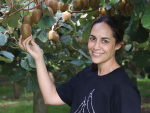
Great weather, a large turnout and positive feedback.
A casualty of the storm that hit the Bay of Plenty recently was the cancelation of a field day at a leading Māori kiwifruit orchard at Te Puke.
Two kiwifruit orchards in the Bay of Plenty and one in Northland are this year's finalists for the Ahuwhenua Trophy competition.
Opportunities for Māori are there for the taking if they scale up their operations and work more closely together.

Farmer-owned fertiliser company, Ballance Agri Nutrients is welcoming National’s plan to negotiate security agreements with key supplier countries to protect New Zealand-bound products from export restrictions and greater supply chain certainty.

Carrfields has announced the appointment of Stu Hall to the newly created role of chief operating officer, Carrfields Ltd, reflecting the continued growth of their agribusinesses and the need to ensure the company has the leadership capacity and support in place as it pursues the emerging opportunities ahead.
New Zealand's role is not to compete with Indian growers, according to NZ Apples and Pears.
The potato industry is celebrating the success of two rising stars - James Blair, the 2026 Young Grower of the Year and runner-up and innovation award winner, Amber Davy.
Twenty-eight emerging leaders from across the horticulture sector spent two days last month learning valuable skills and connecting with industry experts.
There are five entrants in this year’s Young Horticulturist of the Year, competing in a series of technical, practical, business and leadership challenges.





OPINION: The same mainstream media muppets that brought you Jacindamania in 2017 have been flat out pimping for the Opportunities…
OPINION: Your old mate reckons the atrocious way farmers in the UK are treated by their lords and masters in…