
Miraka unveils green hydrogen dual-fuel milk tanker
Taupo-based milk processor Miraka has notched another first on sustainability.




 increase font size
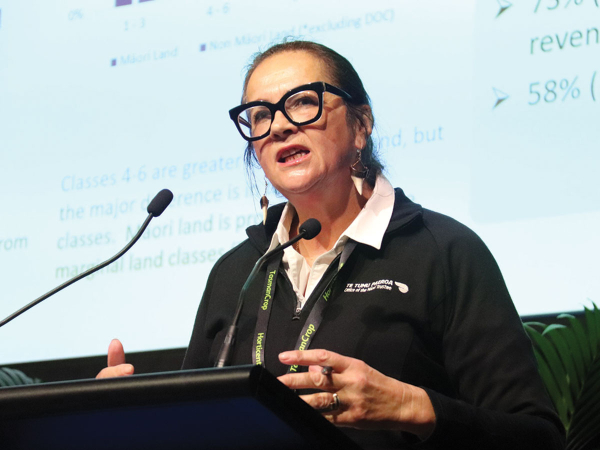 Dr Charlotte Severne
Opportunities for Māori are there for the taking if they scale up their operations and work more closely together.
This is the message from Dr Charlotte Severne, the Māori Trustee and chief executive of Te Tumu Paeroa which acts as trustee to administer Māori freehold land and other assets on behalf of the beneficial owners.
Severne says Māori need to realise the benefits that await them if they change.
A report by the Ministry for Primary Industries (MPI) earlier this year stated that Māori own at least 2.4 million hectares of land or about 10% of NZ total land area. While the Māori agri-economy is growing rapidly and is already a significant economic powerhouse for the NZ economy, there is still untapped potential.
MPI points out that 236,000ha of Māori land are classed as vacant but says, given the right conditions, this land has the potential to be brought into production. It noted that an extra $4 billion in agricultural production could be generated and nearly 10,000 more jobs created by utilising the vacant land and improving productivity on existing land.
But Severne says solutions already exist to bring the so-called 'lost land' into production.
"There are provisions under the Te Ture Whenua Māori Act to do this. But Māori need to work together for that to occur. We tend to work in isolation and while we have the odd partner here and there, you get a situation where there is separate governance and management structure. These can suck up all the potential returns to the many owners," she says.
Severne says multiple ownership of land is not an impediment for different trusts and entities to work collaboratively and says there are many examples of this already. She says it's possible to transact business under almost any structure that sits under Te Ture Whenua Māori.
She says the problem is people personalities and lack of leadership.
"Leadership it isn't about being friends, it's about leading out. If we keep isolating ourselves from scale, we are just going to be a few average sheep and dairy farms and an orchard here and there," she says.
Severne says Māori have also got to get young people involved in their businesses at a much earlier stage. She says they are chomping at the bit to get involved and should be allowed to do this. She says at the same time, Māori need to be more 'out there' and celebrate and talk more about their successes in the agri sector.
Next year, Māori horticulture will be in the spotlight with the prestigious Ahuwhenua Trophy.
Severne says her people are already heavily involved and expanding their operations in this sector. It's estimated that Māori entities produce 10% of all kiwifruit exported and Severne says they are also big in apples and other crops.
Taupo-based milk processor Miraka has notched another first on sustainability.
A landmark Māori agribusiness programme has been launched by Waikato University in partnership with the NZ Institute of Primary Industry Managers (NZIPIM).
In an unusual move, the Māori Trustee and chief executive of Te Tumu Paeroa Dr Charlotte Severne says she'll be making a submission on the Government's agricultural emissions proposals.

Farmer-owned fertiliser company, Ballance Agri Nutrients is welcoming National’s plan to negotiate security agreements with key supplier countries to protect New Zealand-bound products from export restrictions and greater supply chain certainty.
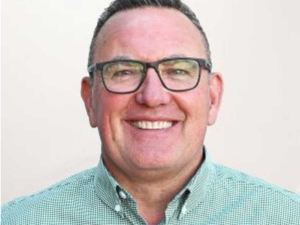
Carrfields has announced the appointment of Stu Hall to the newly created role of chief operating officer, Carrfields Ltd, reflecting the continued growth of their agribusinesses and the need to ensure the company has the leadership capacity and support in place as it pursues the emerging opportunities ahead.
New Zealand's role is not to compete with Indian growers, according to NZ Apples and Pears.
The potato industry is celebrating the success of two rising stars - James Blair, the 2026 Young Grower of the Year and runner-up and innovation award winner, Amber Davy.
Twenty-eight emerging leaders from across the horticulture sector spent two days last month learning valuable skills and connecting with industry experts.
There are five entrants in this year’s Young Horticulturist of the Year, competing in a series of technical, practical, business and leadership challenges.


OPINION: The same mainstream media muppets that brought you Jacindamania in 2017 have been flat out pimping for the Opportunities…
OPINION: Your old mate reckons the atrocious way farmers in the UK are treated by their lords and masters in…




