
Super El Niño Raises Odds of Dry, Windy Growing Season
With a very strong El Niño increasing the odds of a dry and windy winegrowing season in New Zealand’s eastern regions, the industry should take measures to prepare.




 increase font size
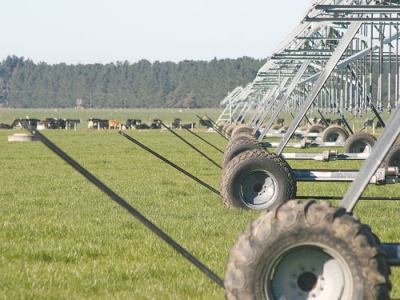 While drought conditions persist in many parts of the country, some irrigating farmers are coping well.
While drought conditions persist in many parts of the country, some irrigating farmers are coping well, says IrrigationNZ.
These farmers are handling the dry conditions with the aid of water supplied from alpine-fed irrigation schemes.
Farmers taking water from rivers and lakes topped up by West Coast rain have benefited from El Nino's erratic weather pattern this summer, says IrrigationNZ CEO Andrew Curtis.
"While we support the minister's move to extend the official drought in the South Island, it is interesting to note that farmers connected to the big alpine-fed rivers and lakes haven't struggled this season, despite low rainfall on the East Coast and an early start to the irrigation season with high temperatures in spring," says Curtis.
"While those irrigating from foothills-fed rivers and lakes have been on restriction for several weeks, alpine-fed irrigators have managed to maintain supply. This reinforces our argument around building additional water storage infrastructure that taps into alpine sources. Even in an extreme El Nino event like this season, alpine-fed supply offers a high degree of reliability for irrigation. For futureproofing we need to move in this direction."
Curtis highlights the experience of Central Plains Water in its first season as further evidence.
Central Plains Water chief executive Derek Crombie says the new scheme has coped well – even with little rain in Central Canterbury - due to the shoring up effect of Lake Coleridge.
The stage one development, which opened in August irrigating about 20,000ha in an area bordered by the Rakaia and Hororata Rivers, takes water from the Rakaia River with additional storage held within the lake.
"It's been going really well. We've been at peak demand since mid December but the scheme is doing the job and from what I hear talking to shareholders, they're getting better productivity than last year," says Crombie.
"We have been able to supply 100% of demand but actual use has been a lot less than farmer expectations. We have had full run-of-river water 89 days and only 12 days when we were using stored water for all of our demand."
Liz Soal, policy manager at the Waitaki Irrigators Collective, says irrigators taking water from the Waitaki River and Waitaki Lakes have similarly experienced few difficulties.
"Irrigators taking from the main stem of the river have had no restrictions, only those taking from tributary rivers. It's the same story as last year. We have100% reliability of take. Overall our irrigators taking from the Waitaki River and Lake Waitaki have found the very dry conditions comparatively easier to manage than those on restrictions."
Other irrigation schemes managing to maintain flows despite little rain pre Canterbury include the Mid Canterbury schemes connected to the Rangitata Diversion Race.
In contrast, the foothills-fed Lake Opuha has been on 50% restriction for nearly a month and expects to carry that through to the end of the irrigation season. Many irrigation schemes in Otago and Marlborough are also on heavy restrictions.
IrrigationNZ has released two new resources this week to support irrigating farmers trying to eke out water until the end of the season. A precision irrigation resource provides expert advice around precision irrigation techniques, including variable rate irrigation which applies water at different volumes and speeds along the irrigator.
The second resource outlines the hydraulic and pumping considerations for irrigation. Both guide books are available free of charge on IrrigationNZ's website www.irrigationnz.co.nz under its SMART Irrigation Programme. A soil moisture monitoring resource will shortly be available.
With a very strong El Niño increasing the odds of a dry and windy winegrowing season in New Zealand’s eastern regions, the industry should take measures to prepare.
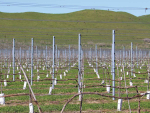
Hawke's Bay fruit growers are being reminded of the need to prepare for whatever the El Niño weather system may bring in the coming months.
Westpac NZ is calling on farmers and growers to start preparing now for the possibility of a dry summer, as likely El Niño conditions raise the risk of drought across parts of the country.
OPINION: Have a plan in place now!
A spate of southerly winds bringing cold temperatures has presented challenges for Taranaki dairy farmers.


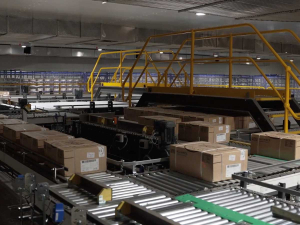
Alliance is calling for final applications for its 2027 Graduate Programme, with applications closing on Sunday 25 October.
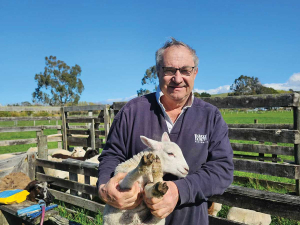
Decades piloting planes has ensured vet and farmer David Hayes is focused on safety. So, after a serious accident while welding on farm, he is sharing his experience so others can learn from it.
Canterbury milk processor, Synlait Milk has confirmed Leon Fung as its chief executive officer.
OPINION: Making it easier to collect rainwater and use it to grow crops and livestock is a no brainer.
As part of its Election 2026 coverage, Rural News asked political parties how they would help pull the arable sector out of the doldrums. Here's what they said:
Farmers are being encouraged to rethink how they manage waste on farm with the launch of ruralwastesorted.co.nz, a new website bringing together practical tips, real farmer experiences and resources.



OPINION: The same mainstream media muppets that brought you Jacindamania in 2017 have been flat out pimping for the Opportunities…
OPINION: Your old mate reckons the atrocious way farmers in the UK are treated by their lords and masters in…




