Editorial: No Small Challenge
OPINION: There could hardly be a more appropriate theme for a conference than the one chosen by the red meat sector - Navigating Volatility.




 increase font size
 Dean Hamilton.
The humble hotpot has been the catalyst for phenomenal growth of the red meat market in China, Silver Fern Farms (SFF) chief executive Dean Hamilton says.
In fact, most of SFF's red meat export growth has been based on the dish in restaurant chains.
During 15 years of exporting to China it had been slow growth. Primarily one or two relatively cheap lamb products went into the hotpot business in a north-eastern region.
But business with China has grown phenomenally in the last five years from $50 million to $330m annually, Hamilton says. A big contributor has been hotpots' rising popularity nationwide via restaurant chains offering everything from relatively cheap dishes to silver service.
Variations on the dish have expanded to include mutton and beef.
Four things have happened during these five years of phenomenal growth, says Hamilton. The lamb business has hugely diversified: two products that
were 85% of the lamb the company sold to China now account for
40%.
They have moved into mutton and beef. The beef business has gone from $3m of sales five years ago to $160m in the 12 months just ended.
"You can see the phenomenal growth we are experiencing, such that we are selling more beef than sheepmeat," he says.
OPINION: There could hardly be a more appropriate theme for a conference than the one chosen by the red meat sector - Navigating Volatility.
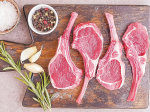
New Zealand's red meat and fifth-quarter exports reached $867 million in August, up 23% on the same month last year, as stronger returns lifted earnings across all major markets.
Meat Industry Association data, released alongside the Red Meat Sector conference in Wellington, shows export value climbing across the US, China, UK and Canada.
Chinese beef trade quotas and a looming suspension of Brazilian beef imports into the European Union are expected to reshape global beef trade flows over the remainder of 2026, with implications for New Zealand exporters, according to Rabobank's Q3 Global Beef Quarterly report.
New Zealand consumers are paying more for beef mince than ever before, with the average retail price now sitting above $24 per kilogram, according to Rabobank.



National’s pledge to introduce 19 new national standards shows the party is serious about getting Wellington out of farming, Federated Farmers says.
The National Party’s policies to make it easier to grow fresh vegetables, secure reliable water and energy and simplify farm planning are practical changes that will give growers the confidence to invest, according to Horticulture New Zealand (HortNZ).
Fonterra Co-operative Group chief financial officer Andrew Murray has resigned to take up a role outside the dairy giant.
A major move is about to get underway to improve the quality and viability of dairy beef and cattle in NZ.
Veterinarians say changes to the code of welfare for dairy cattle provides a positive foundation for improved cattle welfare across the country.
Today, 15 October, is the International Day of Rural Women, which recognises rural women’s contribution to farming, communities and the environment.




OPINION: The same mainstream media muppets that brought you Jacindamania in 2017 have been flat out pimping for the Opportunities…
OPINION: Your old mate reckons the atrocious way farmers in the UK are treated by their lords and masters in…




