The proposed retrenchment of Heinz Wattied's manufacturing presenced in New Zealand will be a blow to the wallets of more than 200 Canterbury vegetable growers.
And in an industry that values speed of processing from paddock to the freezer, it is unlikely that any other company could move into the Wattie's catchment area and pick up the slack, says David Hadfield, the chair of the HortNZ-affiliated Process Vegetables New Zealand (PVNZ).
Heinz Wattie's is proposing to close three manufacturing facilities, in Christchurch, Auckland and Dunedin, and associated frozen packing lines in Hastings, with the loss of about 350 jobs.
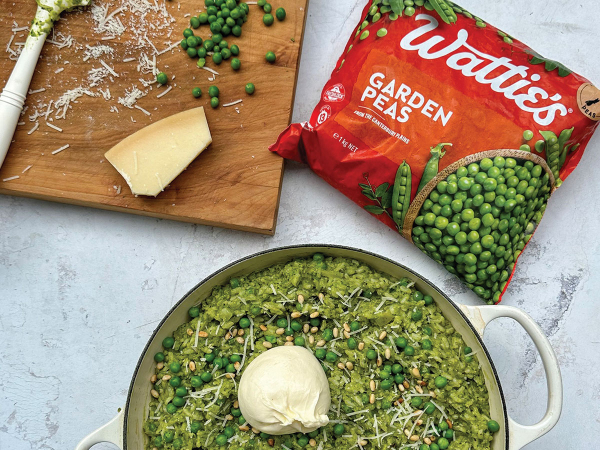
Hadfield said the Christchurch closure would be a blow for about 220 Canterbury farmers producing about 36,000 tonnes of peas every year.
"It's probably not going to be a 'gotta sell up the farm' type situation, it's more a cash flow issue for them," Hadfield, who farms near Lincoln, told Rural News.
The announcement has come at a time when the pea harvest would be over, although Hadfield said many growers won't yet have been paid for the current season's peas as Heinz Wattie's paid out on the 20th of the month following harvest.
The bean harvest was now underway, and the carrot harvest was still to come. But after that the money would dry up.
Normally the company would sign contracts with growers for the next season around May and June, said Hadfield.
"At this stage there's no contracts for the next season at all. My understanding at the moment is there won't be."
In an industry that values proximity to the factory in the interests of speed of processing and freshness, most companies limit suppliers to relatively small catchments.
"About two and a half hours from harvest through to processing is the sort of limit of it in Canterbury," said Hadfield, who farms near Lincoln.
He said the Wattie's Christchurch factory catchment was basically between the Rakaia and the Waimakariri and inland into the Sheffield area. He doubted that any other company could pick up the slack. There were "a couple of outfits looking" but he questioned whether they would have the money and marketing ability needed.
Hadfield said that owning the factory and producing peas was one thing "but you've got to sell them."
Local production costs were high and it was cheaper to import producets, with many vegetables now coming in from China, Europe and the "Stans" of central Asia. Hadfield supported free trade "but it's got to be fair" and he questioned whether those growers were being subsidised by their governments.
In its March 11 announcement, Heinz Wattie's said the proposed changes were "part of the company's shift to focus on its long-term strategy".
It plas to to stop the production and sale of frozen vegetables and Gregg's coffee, as well as dips sold primarily under Mediterrannean, Just Hummus and Good Taste Company brands, phasing them out over a year.