Rural Lobby Groups Seek Clear Election Positions On Farming And Emissions
Centre right parties are backing policy positions pushed by three farmer lobby groups ahead of the general election.




 increase font size
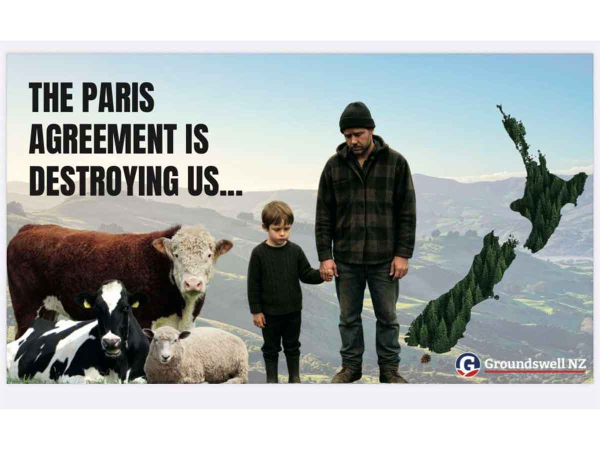 Groundswell NZ plans to roll out a series of signboards across the country, arguing for the end of New Zealand’s involvement in the Paris Agreement on Climate Change.
Groundswell NZ is ramping up its ‘Quit Paris’ campaign.
The farmer lobby group plans to roll out a series of signboards across the country, arguing for the end of New Zealand’s involvement in the Paris Agreement on Climate Change. New Zealand signed onto the agreement in 2016 and it took effect in 2020.
Subsequently, it has proven controversial with Act party leader David Seymour floating the idea of pulling out of the agreement in February following the release of the Government’s National Determined Contribution (NDC).
The NDC, which covers all sectors and greenhouse gases, commits New Zealand to reducing its emissions by 51% to 55% below 2005 levels by 2035. The previous NDC was for a 50% cut by 2030.
Now Groundswell is asking members with a fence, paddock or building facing a busy road to get in touch and host a 2.4m by 1.2m corflute sign on their property until the next election.
Groundswell says it will provide the sign, however it will need to be fixed to a durable backing to last.
“Our immediate priority is finding sites on the roads leading into the Fieldays event, but this is still a nationwide campaign,” the group wrote in a message to members.
“The Paris Agreement was a bad deal from the start, punishing New Zealand for already being emissions efficient and pushing our politicians to promise impossible targets,” they say.
Centre right parties are backing policy positions pushed by three farmer lobby groups ahead of the general election.
A survey of 2000 farmers shows 94% of respondents believe that remaining in the Paris Agreement for climate change is not in the country's best interest.
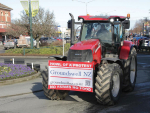
Groundswell is ramping up its 'Quit Paris' campaign with signs going up all over the country.
OPINION: Across rural conversations, we're heading the same tune: crisis.
OPINION: At its recent annual general meeting, Federated Farmers’ Auckland province called for New Zealand to withdraw from the Paris Agreement on Climate Change.


Decades piloting planes has ensured vet and farmer David Hayes is focused on safety. So, after a serious accident while welding on farm, he is sharing his experience so others can learn from it.
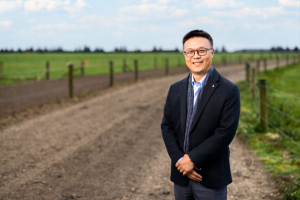
Canterbury milk processor, Synlait Milk has confirmed Leon Fung as its chief executive officer.
OPINION: Making it easier to collect rainwater and use it to grow crops and livestock is a no brainer.
As part of its Election 2026 coverage, Rural News asked political parties how they would help pull the arable sector out of the doldrums. Here's what they said:
Farmers are being encouraged to rethink how they manage waste on farm with the launch of ruralwastesorted.co.nz, a new website bringing together practical tips, real farmer experiences and resources.
New Zealand Winegrowers (NZW) is celebrating the India-New Zealand Free Trade Agreement (FTA) coming into force today, bringing New Zealand wine improved access to one of the world’s fastest-growing economies.



OPINION: The same mainstream media muppets that brought you Jacindamania in 2017 have been flat out pimping for the Opportunities…
OPINION: Your old mate reckons the atrocious way farmers in the UK are treated by their lords and masters in…




