
Sensible Choices About Water
OPINION: Rivers never sit still. They start as snowmelt and rain in the high country, pick up a creek here and a stream there, and carry all of it down to where it's needed.




 increase font size
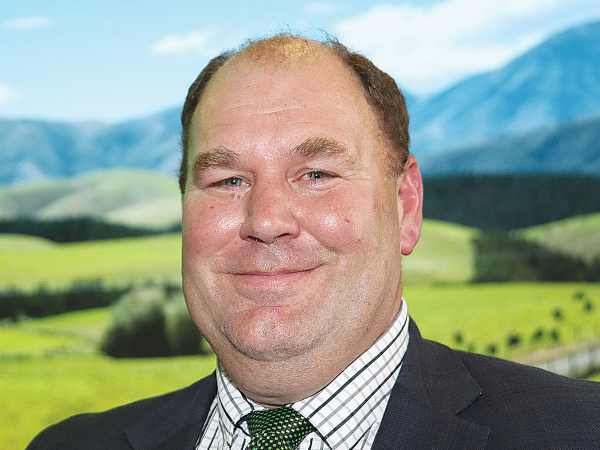 Associate Environment Minister Andrew Hoggard.
Freshwater farm plans will be improved to make them more cost-effective and practical for farmers.
The coalition Government says the current system for creating freshwater farm plans is to costly and complex.
Associate Environment Minister Andrew Hoggard says a fit-for-purpose freshwater farm plan system will enable farmers and growers to find the right solutions for their farm and catchment.
“Farmers faced an avalanche of regulation under the last Government, including its national Freshwater Farm Plans system.
“Using property and catchment specific farm plans makes sense because they can be used to identify environmental risks and plan practical on-farm actions to manage those risks.
“The current system is too costly and complex, and too broadly applied. We want to make sure that the cost of completing a farm plan, in both time and money, is matched with the level of risk.
“It is important that councils and the community can have confidence in the robustness of the freshwater farm plan system as an alternative to local rules and consents, where and when appropriate.
“We believe that farm plans should be able to highlight the work that many farmers and growers are already doing to reduce the impact of farming activities on the freshwater environment.”
Several regions have already started implementing freshwater farm plans in specific areas, including Waikato, Southland, the West Coast, Otago, and Manawatū-Whanganui.
“We want an enduring system that builds on the good work of farmers in these regions while making sure that any improvements to the system don’t result in sudden changes to plans already being developed,” says Hoggard.
“We are exploring how to make any changes fair for all farmers.
“As part of this, we may look into whether current requirements to complete a freshwater farm plan could be paused while improvements are developed.”
OPINION: Rivers never sit still. They start as snowmelt and rain in the high country, pick up a creek here and a stream there, and carry all of it down to where it's needed.
OPINION: Well, the silly season is upon us and all us politicians are running around shaking babies and kissing hands, or maybe the other way around.
It was billed as a chance for all the political parties to woo the rural vote, but question marks hang over just how effective this was.
There's been widespread support from the primary sector for the Government's announcement on changes to freshwater farm plans that come under the Natural Environment Bill, which is now set to replace the existing RMA.
A pause on Waikato Regional Council's (WRC) plan change that sets new freshwater rules for farming could be announced in the coming weeks.


The National Party’s policies to make it easier to grow fresh vegetables, secure reliable water and energy and simplify farm planning are practical changes that will give growers the confidence to invest, according to Horticulture New Zealand (HortNZ).

Fonterra Co-operative Group chief financial officer Andrew Murray has resigned to take up a role outside the dairy giant.
A major move is about to get underway to improve the quality and viability of dairy beef and cattle in NZ.
Veterinarians say changes to the code of welfare for dairy cattle provides a positive foundation for improved cattle welfare across the country.
Today, 15 October, is the International Day of Rural Women, which recognises rural women’s contribution to farming, communities and the environment.
Global dairy giant Lactalis has integrated its Australian operations with the Mainland Dairy consumer business it acquired from Fonterra earlier this year.





OPINION: The same mainstream media muppets that brought you Jacindamania in 2017 have been flat out pimping for the Opportunities…
OPINION: Your old mate reckons the atrocious way farmers in the UK are treated by their lords and masters in…




