Ah Tatua, You've Done It Again!
Waikato milk processor Tatua has again declared a record milk payout to farmer shareholders, leaving other processors in the dust.




 increase font size
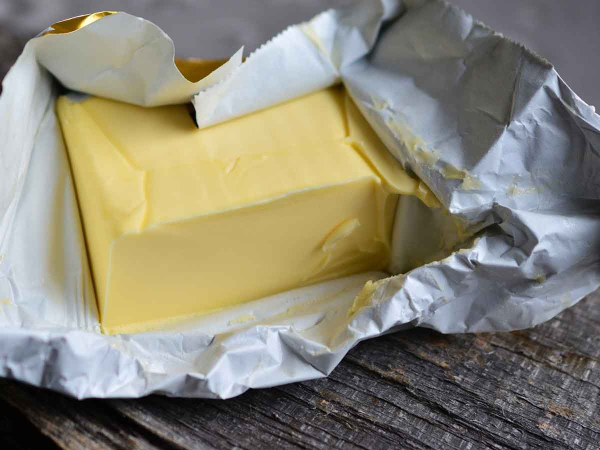 The civil proceeding concerns claims by Greenpeace that a label on Anchor butter sold in New Zealand supermarkets between December 2023 and April 2025 was misleading.
A day after selling its consumer businesses, Fonterra has settled a civil claim, filed by Greenpeace, out of court.
In a joint statement with Greenpeace, Fonterra accepts that labels on Anchor Butter with the two phrases '100% New Zealand' and 'Grass Fed' in combination with each other were likely to mislead some New Zealand consumers, particularly those unaware of the nature of the feeds that are provided to dairy cows.
Fonterra also accepted that the labelling was in breach of s9 of the Fair Trading ACT 1986.
The Anchor brand is part of the $4.2 billion sale to Lactalis. However, Fonterra will continue to own the Anchor brand in Greater China. The sale was completed last week. Fonterra farmer shareholders and unitholders will receive a $2/share dividend from the sale, amounting to $3.2b. The payment will be made on April 14.
The civil proceeding concerns claims by Greenpeace that a label on Anchor butter sold in New Zealand supermarkets between December 2023 and April 2025 was misleading and in breach of the Fair Trading Act 1986 because the diet of cows whose milk was used to make the butter included non-grass feed including palm kernel expeller (PKE).
Fonterra has removed the label from its Anchor butter packaging and has undertaken not to use the label on its packaging in the future.
In a separate statement, Fonterra says that it stands by its Grass Fed claims.
However, it recognises that the combined use of the two phrases would have been likely to mislead some consumers and has accepted this in the settlement with Greenpeace, the details of which are confidential.
Fonterra says its cows are 96% grass fed and Fonterra's Grass and Pasture Fed Standard has been independently verified as meeting the requirements of the New Zealand Dairy Grass-Fed Administrative Standard. Grass is defined to include grass, grass silage, hay and forage crops (including legumes and brassicas).
Waikato milk processor Tatua has again declared a record milk payout to farmer shareholders, leaving other processors in the dust.
Fonterra has unveiled its annual results for the 2026 financial year, posting $27 billion in revenue and close to $20 billion returned to New Zealand farmer owners and unit holders.
Fonterra Co-operative Group has confirmed the independently assessed candidates standing for election to its board in 2026.
Fonterra has revised its Farmgate Milk Price forecast for the 2026/27 season, lifting the midpoint and narrowing the range on the back of improving global dairy commodity prices.
Outgoing Fonterra Co-operative Council chair John Stevenson says that it has been a privilege to represent the co-op's farmer shareholders.


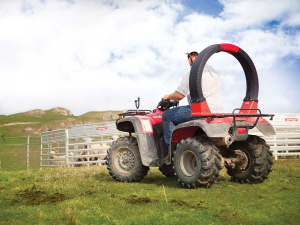
When Northland leather worker Vernon Suckling started making horse saddles 50 years ago, quad bikes and side-by-side vehicles were unheard of.
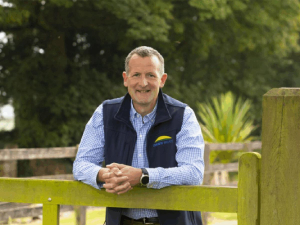
Alliance Group has confirmed that eligible farmer-shareholders who supply and continue to back the business will receive up to $20 million later this year, following the strategic investment partnership with Dawn Meats.
With a general election under five weeks away, Rural News is asking major political parties about their policies and positions on key issues facing the primary sector. We will run their responses to each question over the next four weeks. The ACT Party and the Greens didn't respond in time.
The red meat sector is in great heart.
Dr Scott Champion, Foundation for Arable Research chief executive, says that everyone in the supply chain had a role to play in driving the sector's long-term success.
Entries opened on Monday, 5 October 2026 for the 2027 New Zealand Dairy Industry Awards (NZDIA), which organisers describe as the nation's biggest celebration of excellence in the dairy sector.



OPINION: The same mainstream media muppets that brought you Jacindamania in 2017 have been flat out pimping for the Opportunities…
OPINION: Your old mate reckons the atrocious way farmers in the UK are treated by their lords and masters in…