Why Now Is the Time to Plan Farm Succession, Findex Says
OPINION: Succession and long-term planning are perennial topics because it is perpetually sidelined on busy farms.




 increase font size

A programme launched last year to help dairy farmers cut energy costs, is open to more recruits.
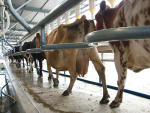
Under the programme, qualifying dairy farmers get grants towards installing heat recovery systems in the milking shed. These systems cut electricity bills by around a third, by 'capturing' waste heat from refrigeration and re-using it to heat water used for washing down the dairy shed.
Run by the Energy Efficiency and Conservation Authority (EECA), the government agency that works to improve the energy efficiency of homes and businesses, the programme has attracted 18 farms. The programme plans to assist the installation of around 40 systems, so there is room for a further 22 recruits.
"Heat recovery from the milk refrigeration system is a great opportunity for dairy farmers to reduce electricity costs and improve productivity," says EECA business industrial programme manager Rod Treder.
"Heat recovery is one of the best ways for dairy farmers to improve their energy use, productivity and bottom line.
"Clearly the drought has been very tough for many dairy farmers. Installing new heat recovery equipment might not be top of mind, but the savings achieved through heat recovery build year-on-year, helping make farm businesses more resilient."
EECA BUSINESS research shows a wide variation in milking shed energy efficiency, with some operations using three times more electricity per cow than others. Heat recovery is usually the most cost-effective way to reduce energy costs.
On average, heat recovery saves farmers around $6,000 in electricity costs every year, with a payback of around 2 years. Generally, the larger the herd the shorter the payback period.
To take part in the Shed Heat Recovery programme, farmers should contact one of four contracted providers around the country.
Nationwide:
Climatemaster - www.climatemaster.co.nz
North Island:
Maverick Energy - www.maverickenergy.co.nz
South Island:
Dairycool - www.dairycool.co.nz
Waitaki Refrigeration - www.waitakirefrigeration.co.nz
For more information see www.eecabusiness.govt.nz/dairy-shed-heat-recovery
OPINION: Succession and long-term planning are perennial topics because it is perpetually sidelined on busy farms.
Farms across the upper North Island are trialling different pasture mixes as part of a research programme that aims to build greater resilience into farming systems.
Election years are always a concerning time for farmers, according to DairyNZ chair Tracy Brown.
Alliance Group's $16 million programme to install innovative heat pump systems at its Otago and Southland processing plants wins a New Zealand Energy Excellence Award after cutting annual emissions by more than 24,000 tonnes of CO₂e.


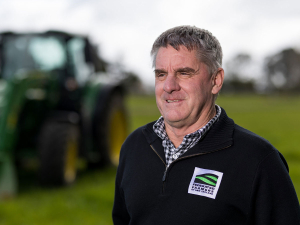
National’s pledge to introduce 19 new national standards shows the party is serious about getting Wellington out of farming, Federated Farmers says.
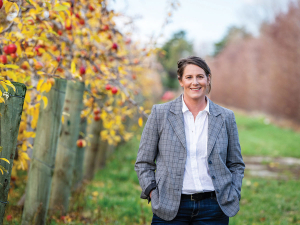
The National Party’s policies to make it easier to grow fresh vegetables, secure reliable water and energy and simplify farm planning are practical changes that will give growers the confidence to invest, according to Horticulture New Zealand (HortNZ).
Fonterra Co-operative Group chief financial officer Andrew Murray has resigned to take up a role outside the dairy giant.
A major move is about to get underway to improve the quality and viability of dairy beef and cattle in NZ.
Veterinarians say changes to the code of welfare for dairy cattle provides a positive foundation for improved cattle welfare across the country.
Today, 15 October, is the International Day of Rural Women, which recognises rural women’s contribution to farming, communities and the environment.



OPINION: The same mainstream media muppets that brought you Jacindamania in 2017 have been flat out pimping for the Opportunities…
OPINION: Your old mate reckons the atrocious way farmers in the UK are treated by their lords and masters in…