NZ Apple Growers Ready to Share Expertise in India
New Zealand's role is not to compete with Indian growers, according to NZ Apples and Pears.




 increase font size
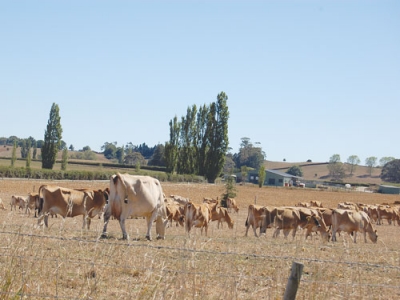 Widespread drought conditions in the South Island mean the medium-scale event classification will be extended until the end of June.
Widespread drought conditions in the South Island mean the medium-scale event classification will be extended until the end of June, Primary Industries Minister Nathan Guy announced today.
"Extra funding of up to $150,000 will go to local Rural Support Trusts with $40,000 of this going to the North Canterbury Trust," says Guy.
Speaking with farmers at a sheep and beef farm in Weka Pass, Hurunui, Guy acknowledged this is the third time the classification has been extended.
"Marlborough, Canterbury and parts of Otago were originally classified as a medium-scale event on February 12, 2015 and have had very little rainfall for more than a year now.
"Recent rain has brought some relief and a great morale boost. After more than a year of drought, any rain is welcome, and in some areas it has triggered small amounts of growth.
"However what these farms really need is good consistent follow-up rain to bring soil moisture levels closer to normal, as it has been dry for so long.
"Farmers in these regions are used to drought and have been well prepared to deal with this summer's additional El Nino effect. Early destocking means that there are fewer animals to feed and farmers have good plans in place to ride out the tough season, keeping their remaining animals in good condition.
"Once again it reinforces the importance of irrigation and water storage projects. It's pleasing to see the Hurunui Water Project can now begin planning and construction following a High Court ruling last month. This project has received around $2 million in Government funding so far."
The Ministry for Primary Industries has been working closely with sector organisations and Rural Support Trusts (RSTs) to monitor the situation and coordinate support.
RSTs have been organising support and community events, professional meetings, and one-on-one mentoring. They have also been helping with guidance for Rural Assistance Payments and other relief that may be available in some cases.
People are encouraged to call their local RST on 0800 787 254, and Federated Farmers is also operating their drought feedline on 0800 376 844.
"Many rural people can be reluctant to ask for help, but they need to know there is support. As well as Rural Support Trusts, Inland Revenue can offer flexibility with tax obligations and there are options such as Rural Assistance Payments for those facing extreme hardship."
New Zealand's role is not to compete with Indian growers, according to NZ Apples and Pears.
Kiwifruit growers are watchful but remain optimistic as concerns around the potential effects of the El Niño weather pattern this season.
Testing confirms H5 bird flu in a single northern giant petrel, found dead on a remote Cape Palliser beach in the Wairarapa, says Dr Mary van Andel, the Ministry for Primary Industries' (MPI) Chief Veterinary Officer.
The apple sector is working with the Government to unlock access to two key markets that could bring millions in revenue for apple growers.


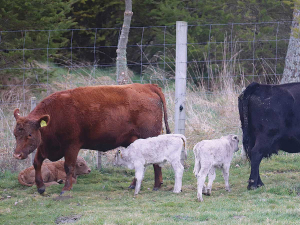
A major move is about to get underway to improve the quality and viability of dairy beef and cattle in NZ.
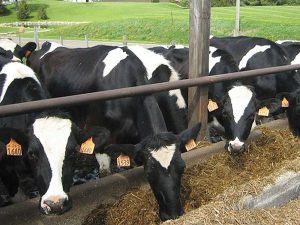
Veterinarians say changes to the code of welfare for dairy cattle provides a positive foundation for improved cattle welfare across the country.
Today, 15 October, is the International Day of Rural Women, which recognises rural women’s contribution to farming, communities and the environment.
Global dairy giant Lactalis has integrated its Australian operations with the Mainland Dairy consumer business it acquired from Fonterra earlier this year.
After almost two decades of sharemilking, saving and building equity, Aaron and Marcia Flay this year realised their long-held dream of settling on their first dairy farm.
Good medium to long term prospects for NZ beef, especially in the US, has heighted the focus on various initiatives to capitalise on this situation.


OPINION: The same mainstream media muppets that brought you Jacindamania in 2017 have been flat out pimping for the Opportunities…
OPINION: Your old mate reckons the atrocious way farmers in the UK are treated by their lords and masters in…