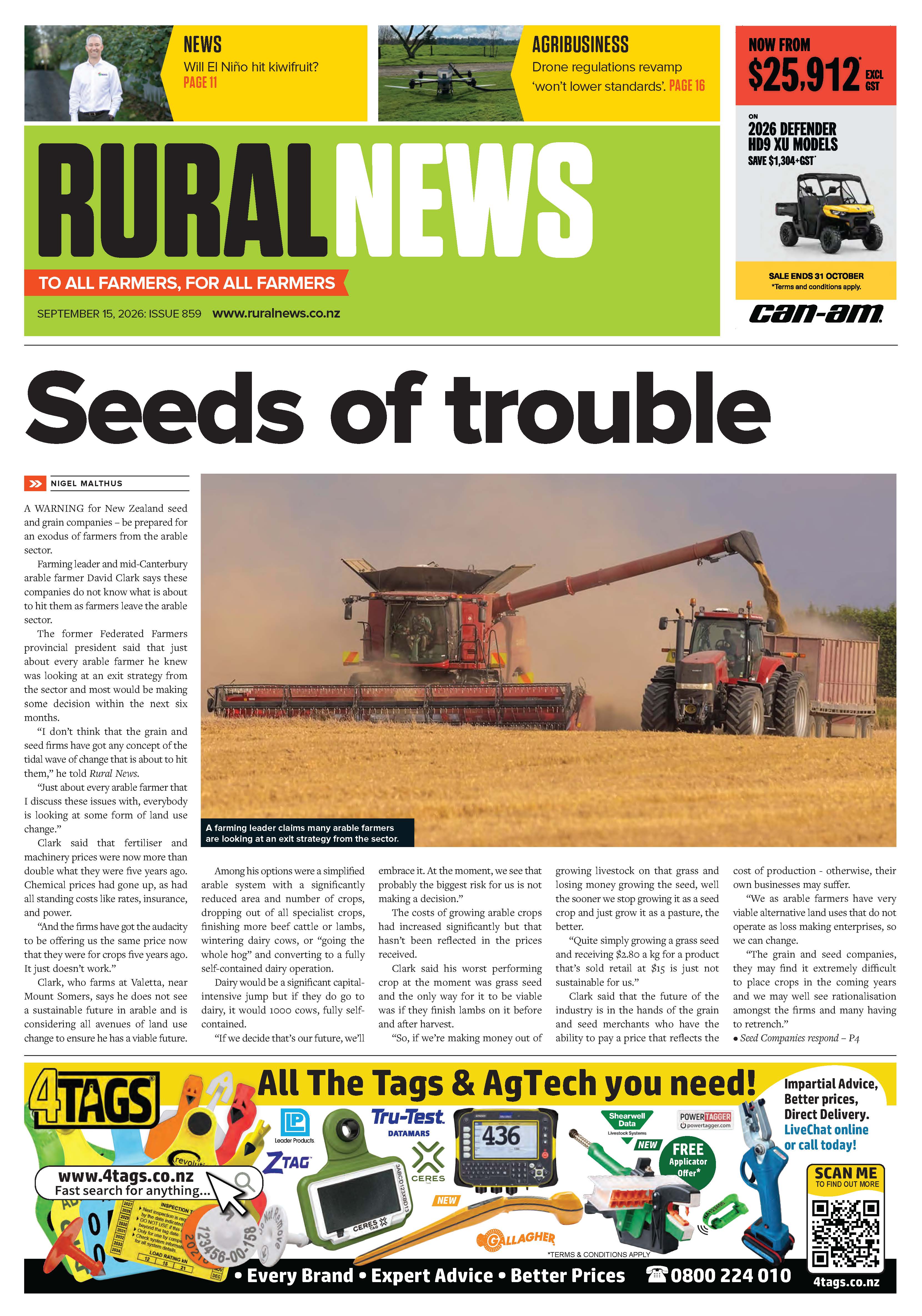
Kiwifruit Growers Prepare for El Niño, Stay Optimistic
Kiwifruit growers are watchful but remain optimistic as concerns around the potential effects of the El Niño weather pattern this season.




 increase font size
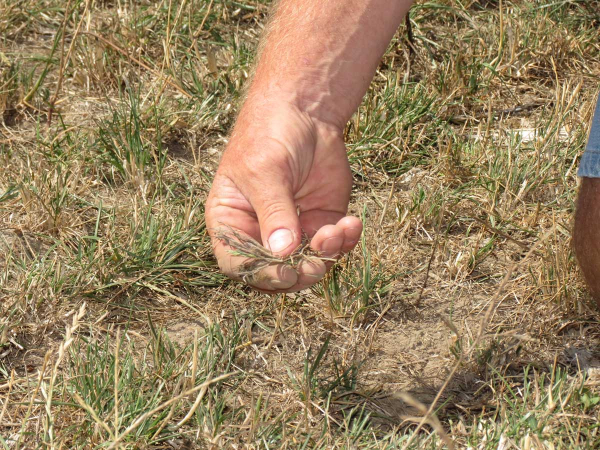 Consultants claim E350 will not fully show their benefits this year because of the drought.
The drought is biting pretty hard in Northland now, says project manager Extension 350 (E350) Luke Beehre.
“It is certainly getting up there as some of the hardest that we have had,” he told Rural News.
“Northland is always really variable so some bits are starting to pick up and look green, others aren’t.
“To give the extent of what it is like, Fonterra through their Kauri or Northland farm are down 15% on the month to date, and down 3.5% season to date. Remember last year was a hard year as well.
“So there is a bit of challenge coming on there.”
Consultants are saying the more structured approach farmers are implementing through the farm learning programme E350 will not fully show their benefits this year because of the drought.
“However there is a really strong feeling if they didn’t have that stronger structure, better planning, better risk management they would be significantly worse off now than they are now,” says Beehre.
“Some of them may look at their farm and think it is worse than last year, is all the extra planning and thinking worth it? But if they hadn’t it would be an even more challenging position than they are currently in.”
To help support Northland and farmers through the drought E350 has teamed up with DairyNZ, Beef+Lamb and MPI to release weekly updates on a couple of E350 farms saying ‘this is what I am up to on my farm this week; this is what I am thinking and planning’.
“One of the challenges in the drought is you want to make decisions every day but you can’t.
“So the idea is to help our farmers in Northland and the wider farming community say ‘hey let’s make our decisions in a structured manner, let’s come to our decision making table every week, have a think about what we are doing and reflect on what these other people are doing - and E350 is providing some of that - and go forward from there’.
“Let’s make sure stuff doesn’t fall through the cracks.
“Those drought updates are a little bit chatty and trying to communicate with farmers a little bit differently right now.”
From a COVID-19 perspective, it is still a bit hard to grasp the impact, says Beehre.
Stock is certainly going through the works at a slower pace, he says, with sheep chains running at 50% of capacity and the beef chains are running about 70% of full capacity.
That is slowing farmers’ ability to get stock off farm pretty quickly now.
“Getting rid of stock is one of the levers you pull in a drought to that is starting to bite hard.
"There will be some challenging decisions over the next one to four to five weeks just on how people manage the end of this dairy season and manage stock on farm from a beef perspective and somehow ring fence the impact of the drought into this season as opposed to having it flow over into next year.”
Kiwifruit growers are watchful but remain optimistic as concerns around the potential effects of the El Niño weather pattern this season.
Farms across the upper North Island are trialling different pasture mixes as part of a research programme that aims to build greater resilience into farming systems.
With forecasters advising El Niño conditions will develop through winter and strengthen into spring and summer, Ballance Agri-Nutrients is encouraging farmers and growers to think ahead about nutrient planning and be prepared to work around challenging weather conditions.
OPINION: Since when did one and one make three? Who didn't smell an elephant-sized rat when our leaders decided to give $60 million to save the cement factory in Northland?
New Zealand needs to make sure that it continues to focus on its own food security, according to HortNZ board member and blueberry grower Dermott Malley.


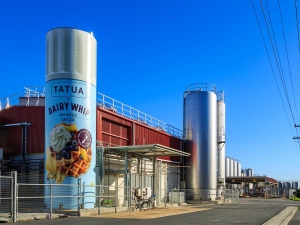
Waikato milk processor Tatua has again declared a record milk payout to farmer shareholders, leaving other processors in the dust.

A Labour-led Government won’t be bringing back the controversial freshwater rules of 2020.
National’s much-touted free trade deal with India featured in the Rural Issues Debate at Mystery Creek, Hamilton on Wednesday night.
New Zealand's 2026-27 freshwater fishing season has opened, with anglers encouraged to head to rivers and lakes over the coming days as conditions look favourable across much of the country.
Central Otago District Council (CODC) has voted against a plan to spread treated sewage sludge from Cromwell and Alexandra on farmland near Lauder, a decision Federated Farmers says reflects strong opposition from rural residents.
Pāmu has released its FY26 Integrated Annual Report, reporting a Net Operating Profit of $113 million, more than double the $49 million recorded in FY25.





OPINION: The same mainstream media muppets that brought you Jacindamania in 2017 have been flat out pimping for the Opportunities…
OPINION: Your old mate reckons the atrocious way farmers in the UK are treated by their lords and masters in…