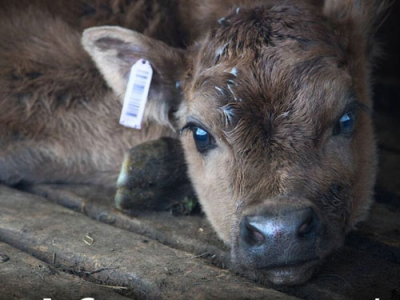
Forty five new animal welfare regulations will come into effect on 1 October 2018.
Ministry for Primary Industries (MPI) director for animal health and welfare, Dr Chris Rodwell, says the new regulations cover a range of species and activities from stock transport and farm husbandry procedures to companion and working animals like dogs and horses.
"With under a month to go until these new regulations come into effect, we want to encourage people, who are responsible for any type of animal, to check they are up to date in how they are looking after them," says Rodwell.
"Our team has been working with industry and sector groups to raise awareness of the regulations and ensure people understand and can meet their responsibilities.
"Most New Zealanders already care for their animals well, so if you're already doing the right thing, you won't see a lot of change.
"The majority of the regulations reflect existing standards, but there are a few that do set new rules and requirements, such as prohibiting the tail docking of cows and dogs.
"Even if you already think you are doing the right thing, it's best to check and make sure you are."
One of the main changes is that the new regulations will make it easier for MPI and the SPCA (Society for the Protection of Cruelty to Animals) to take action against animal mistreatment.
"These regulations will allow us to better respond to lower levels of offending, and target specific behaviours that need to change,
"For example, if people allow their animal's horns to become ingrown, they can be fined $500. We will continue to prosecute the worst offenders under the Animal Welfare Act".
In developing the regulations, current science, good practice, and the views of submitters were taken into consideration.