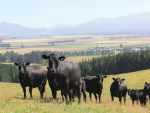
BVD Control Begins Long Before You See A Problem
Bovine Viral Diarrhoea (BVD) is sometimes viewed as a dairy industry issue, but the reality is that the disease can have serious consequences for beef breeding herds as well.




 increase font size

A bill that makes the most significant changes to the Biosecurity Act in 15 years has passed into law.
The Biosecurity Law Reform Bill makes a wide range of amendments to the Act, along with related amendments to four other Acts.
"New Zealand has a highly effective biosecurity system which is recognised as world-leading, but the legislation has not kept pace with the way the system has had to evolve to meet ever-growing challenges," says Primary Industries Minister David Carter.
"The amended Act covers the areas of border biosecurity, joint decision-making on newly detected harmful organisms and on-going management of established pests.
"The reforms will enable better use of information to target risks and encourage partnerships in the management of potential biosecurity incursions."
Carter says a key plank of the reforms is the development of government-industry agreements on preparing for, and responding to, newly detected pests and diseases, and for sharing the costs of jointly-agreed activities.
"Protecting New Zealand from biosecurity risks cannot be the role of government alone. Industry expertise needs to be brought to the decision-making table to help improve prioritisation and our preparedness to respond to incursions.
"This important piece of legislation is a further step in fulfilling the vision of the Ministry for Primary Industries to grow and protect New Zealand," Carter says.
Bovine Viral Diarrhoea (BVD) is sometimes viewed as a dairy industry issue, but the reality is that the disease can have serious consequences for beef breeding herds as well.

Election years are always a concerning time for farmers, according to DairyNZ chair Tracy Brown.
Testing confirms H5 bird flu in a single northern giant petrel, found dead on a remote Cape Palliser beach in the Wairarapa, says Dr Mary van Andel, the Ministry for Primary Industries' (MPI) Chief Veterinary Officer.
Bovine Viral Diarrhoea (BVD) is sometimes viewed as a dairy industry issue, but the reality is that the disease can have serious consequences for beef breeding herds as well.
Four years since it was first detected in New Zealand, researchers and growers now know much more about management of maize pest fall armyworm (FAW).


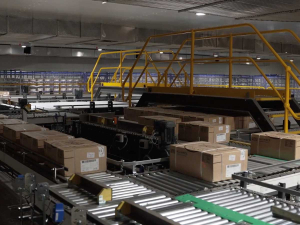
Alliance is calling for final applications for its 2027 Graduate Programme, with applications closing on Sunday 25 October.
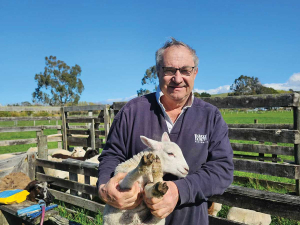
Decades piloting planes has ensured vet and farmer David Hayes is focused on safety. So, after a serious accident while welding on farm, he is sharing his experience so others can learn from it.
Canterbury milk processor, Synlait Milk has confirmed Leon Fung as its chief executive officer.
OPINION: Making it easier to collect rainwater and use it to grow crops and livestock is a no brainer.
As part of its Election 2026 coverage, Rural News asked political parties how they would help pull the arable sector out of the doldrums. Here's what they said:
Farmers are being encouraged to rethink how they manage waste on farm with the launch of ruralwastesorted.co.nz, a new website bringing together practical tips, real farmer experiences and resources.


OPINION: The same mainstream media muppets that brought you Jacindamania in 2017 have been flat out pimping for the Opportunities…
OPINION: Your old mate reckons the atrocious way farmers in the UK are treated by their lords and masters in…




