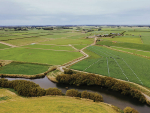
McRae Wins Southern South Island B+LNZ Director Vote
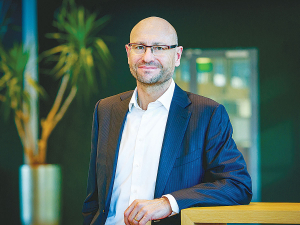
Matt McRae, a farmer from Mokoreta in Southland who runs a sheep, beef and dairy support business alongside a sheep stud, has been elected to the Beef +Lamb NZ Board as a farmer director.




 increase font size
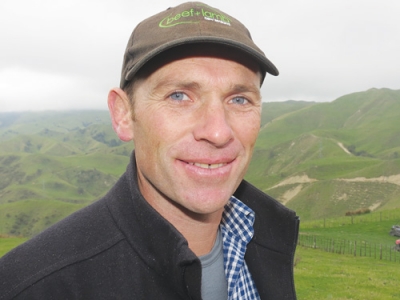 Beef + Lamb NZ chairman James Parsons.
The existing board structure of Beef + Lamb NZ (BLNZ) works well and perceived conflicts of interest over processor-nominated directors is not an issue, claims chairman James Parsons.
However, he says the current BLNZ consultation on its constitution is a chance to have a really good discussion with farmers.
The board isn't "precious" about it, he insists.
"This is a farmer organisation and it has to be a constitution farmers feel real ownership over. We are having an open discussion about it," Parsons told Rural News after a farmer consultation meeting in Waikato last week.
"So far, when I do a bit of a straw poll – and it is very early days – the majority of people who put up their hand are supporting the status quo. But there are a lot of people sitting in the middle undecided; they will need more information.
"If there is a strong appetite for change, we would have to shape that up into a proposal to change our constitution, which would be up for voting in March at our annual meeting. That requires a 75% majority vote. Unless there is a strong appetite for change we are not going to put up a proposal that gets voted down. There's no point in going there."
Parsons sees opportunity to have "a really good discussion with farmers and see what their views are".
The current BLNZ governance structure operates under its constitution voted in by farmers in 2003 when it was called Meat and Wool NZ. This provides for a board of nine. It has six farmer-elect directors – split up by the six electoral wards – and two processor nominated directors nominated by the Meat Industry Association.
There is provision for a ninth director, an independent selected for skills, but that slot has never been filled.
"There has been feedback from some groups in the farming community saying they don't believe it is in the best interests of BLNZ to have processor-nominated directors on the board. They think there are conflicts of interest," Parsons adds.
"We are genuinely consulting on whether farmers support or want a change or whether that's just the loud minority view.
"We are not required to accept that nomination from the Meat Industry Association; they don't appoint someone to that board, they just nominate someone and it's entirely up to the discretion of the BLNZ board whether we want that individual or we go back and say 'thanks very much for your nomination but we'd like someone different'."
The options are to maintain the current structure or, if there is enough appetite for change, move to a structure where the two processor-nominated directors are replaced with two independents. Parsons says they would be chosen on a skills basis.
"Another option – I wouldn't support this one or recommend it to farmers, but we are keen to hear farmers' views -- is that we should go down to a board of six farmer directors and seek to fill that independent director slot with someone on a skills basis.
"Those [changes] would all need a change to our constitution."
Parsons believes the current structure is working well.
"Perceived conflicts of interest I don't think are in any way an issue in terms of how we govern an organisation," he says.
"Those processor-nominated directors are not appointed and they are not representing the processors. They are there to give a processor sector view... but they are responsible to govern the organisation in the best interest of farmers, not processors. That's quite clear under the Companies Act.
"We think the current system works well and I think there's a need for the sector to pull together more, rather than get polarised in our different camps."
Matt McRae, a farmer from Mokoreta in Southland who runs a sheep, beef and dairy support business alongside a sheep stud, has been elected to the Beef +Lamb NZ Board as a farmer director.
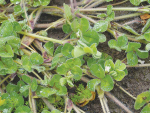
Recent widespread autumn rain will have triggered the germination of subterranean clover seeds, and the resulting seedlings should be allowed to reach the 3–4 trifoliate leaf stage before grazing, says Beef+Lamb NZ.
A hub farm in each of Beef + Lamb NZ’s seven regions and more focus groups are being rolled out for the red meat sector this year.
The red meat sector is poised for a strong rebound this season, with export receipts forecast to top $10 billion and farm profitability to almost double.
Progeny testing at Pāmu’s Kepler farm in Southland as part of Beef + Lamb New Zealand’s Informing New Zealand Beef programme is showing that the benefits of hybrid vigour could have a massive impact on the future of beef breeding.

Farmer-owned fertiliser company, Ballance Agri Nutrients is welcoming National’s plan to negotiate security agreements with key supplier countries to protect New Zealand-bound products from export restrictions and greater supply chain certainty.
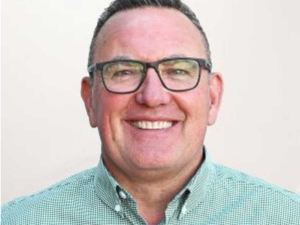
Carrfields has announced the appointment of Stu Hall to the newly created role of chief operating officer, Carrfields Ltd, reflecting the continued growth of their agribusinesses and the need to ensure the company has the leadership capacity and support in place as it pursues the emerging opportunities ahead.
New Zealand's role is not to compete with Indian growers, according to NZ Apples and Pears.
The potato industry is celebrating the success of two rising stars - James Blair, the 2026 Young Grower of the Year and runner-up and innovation award winner, Amber Davy.
Twenty-eight emerging leaders from across the horticulture sector spent two days last month learning valuable skills and connecting with industry experts.
There are five entrants in this year’s Young Horticulturist of the Year, competing in a series of technical, practical, business and leadership challenges.


OPINION: The same mainstream media muppets that brought you Jacindamania in 2017 have been flat out pimping for the Opportunities…
OPINION: Your old mate reckons the atrocious way farmers in the UK are treated by their lords and masters in…




