The end of live exports by sea could mark a ‘new dawn’ for animal welfare, both in New Zealand and across the globe.
That’s according to Veterinarians for Animal Welfare Aotearoa (VAWA) managing director Dr Helen Beattie.
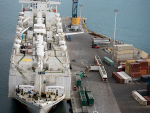
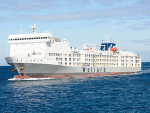
The last live export ship left New Zealand last month and Beattie says the decision to ban livestock exports by sea, which takes effect today, is a testament to New Zealand’s commitment to animal welfare.
“This monumental move elevates the country’s status as a global leader in animal welfare and sets a precedent for other nations to follow,” she says. “In addition to the animal welfare benefits, there are environmental benefits through reduced use of fossil energy in shipping and less effluent being washed directly into the ocean.”
She says the ban could serve as a catalyst for other countries.
“For example, we are pleased to see the Australian Government moving to ban the live export of sheep by sea - this is a step in the right direction and hopefully a move towards a wider ban. We invite other governments to evaluate their animal welfare policies and to progress reforms to improve the lives of animals in their care.”
Beattie says the ban is a ‘powerful statement’ against what she says are inhumane practices that impact animals.
She adds that it reaffirms New Zealand’s commitment to prioritising animal welfare and sends a message that the suffering of animals is not an acceptable cost of doing business.
“By eliminating this ‘export segment of suffering’ that has financially benefited only a few, a beacon is lit that can fuel further progress for animal welfare, both locally and globally. This could change the lives of billions of animals for the better.”