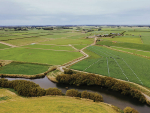
McRae Wins Southern South Island B+LNZ Director Vote
Matt McRae, a farmer from Mokoreta in Southland who runs a sheep, beef and dairy support business alongside a sheep stud, has been elected to the Beef +Lamb NZ Board as a farmer director.




 increase font size
 Weaning is an ideal time to body condition score ewes.
Weaning is an ideal time to body condition score (BCS) ewes as it allows valuable summer feed to be partitioned into lighter ewes to give them a lift before tupping.
Beef + Lamb New Zealand’s general manager North Island, Matt Ward, says BCS is a cheap yet valuable way to save feed and improve flock performance.
Poor condition ewes (less than BCS 3) at mating are less likely to get pregnant in the first 17 days of breeding, they will have lower scanning percentages and will have less buffering in late pregnancy and lactation resulting in lighter lambs at weaning.
Ward says the key drivers of profit in a sheep flock are kilograms of lamb weaned per hectare, weaning weight per lamb and the number of lambs weaned per hectare – and ewe body condition impacts on all three.
Ideally, ewes should be maintained at a BCS 3 or 4 all year round, but lactation, pregnancy, mob pressure and competition for feed will see some ewes falling below this.
“Body condition scoring at weaning, mating and scanning will allow lighter ewes to be identified so they can be priority fed or culled,” he says. “It’s about minimising the number of tail-end ewes (BCS 1 and 2) as these are the ones bringing down the overall flock performance.”
Ward says BCS is a way of comparing sheep independent of frame size, liveweight, breed, gut fill and stage of gestation. It relates to the production ability of sheep regardless of body weight.
It is done by assessing the amount of body fat by feeling the vertical (spine) and horizontal (short ribs) processes.
This is done by placing a hand behind the 13th rib, pushing fingers under the short ribs with pressure and finger on the spine.
BCS is based on a scale of one to five -- one being very skinny and emaciated and five being too fat.
Ward says getting exact numbers is not the main thing, but rather identifying ewes that fall below an optimum condition of 3, i.e. the BCS 1 and 2 ewes.
Matt McRae, a farmer from Mokoreta in Southland who runs a sheep, beef and dairy support business alongside a sheep stud, has been elected to the Beef +Lamb NZ Board as a farmer director.

Recent widespread autumn rain will have triggered the germination of subterranean clover seeds, and the resulting seedlings should be allowed to reach the 3–4 trifoliate leaf stage before grazing, says Beef+Lamb NZ.
A hub farm in each of Beef + Lamb NZ’s seven regions and more focus groups are being rolled out for the red meat sector this year.
The red meat sector is poised for a strong rebound this season, with export receipts forecast to top $10 billion and farm profitability to almost double.
Progeny testing at Pāmu’s Kepler farm in Southland as part of Beef + Lamb New Zealand’s Informing New Zealand Beef programme is showing that the benefits of hybrid vigour could have a massive impact on the future of beef breeding.


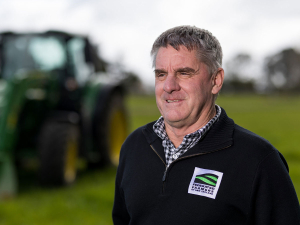
National’s pledge to introduce 19 new national standards shows the party is serious about getting Wellington out of farming, Federated Farmers says.
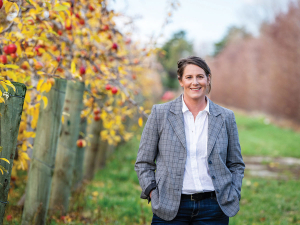
The National Party’s policies to make it easier to grow fresh vegetables, secure reliable water and energy and simplify farm planning are practical changes that will give growers the confidence to invest, according to Horticulture New Zealand (HortNZ).
Fonterra Co-operative Group chief financial officer Andrew Murray has resigned to take up a role outside the dairy giant.
A major move is about to get underway to improve the quality and viability of dairy beef and cattle in NZ.
Veterinarians say changes to the code of welfare for dairy cattle provides a positive foundation for improved cattle welfare across the country.
Today, 15 October, is the International Day of Rural Women, which recognises rural women’s contribution to farming, communities and the environment.




OPINION: The same mainstream media muppets that brought you Jacindamania in 2017 have been flat out pimping for the Opportunities…
OPINION: Your old mate reckons the atrocious way farmers in the UK are treated by their lords and masters in…




