Vets: trusted but misunderstood, according to survey
Around 97% of New Zealand pet owners value the care provided by their vet teams, but the broader contribution of animal health professionals to society often goes unseen, a new study has revealed.




 increase font size
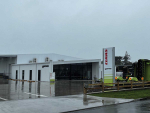
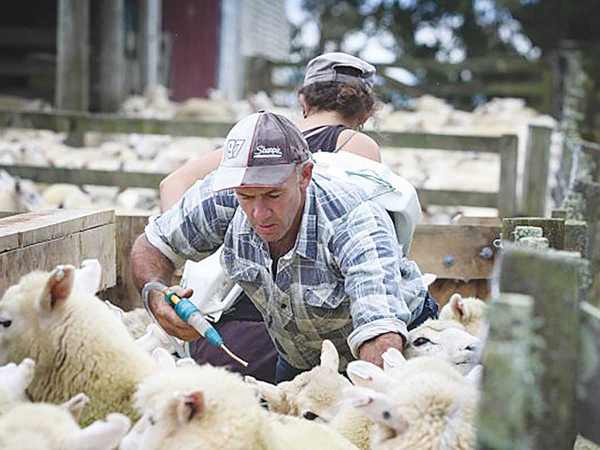 Boehringer Ingelheim Animal Health will cease production from its Auckland site from December 2022.
Boehringer Ingelheim says it will stop manufacturing locally-produced livestock ruminant products in New Zealand by late 2022 - ending more than 50 years of local production.
The animal health company says it will cease production from its Auckland site from December 2022. It says it will deliver a more 'targeted' range of cattle and sheep products, including brands such as Eprinex, Eclipse and Bionic Plus. However, the company adds that some of these products will be produced locally by contract manufacturing partners in New Zealand.
Meanwhile, the company says it will continue to distribute therapeutic medicines such as Metacam, Bivatop and Mamyzin - along with its range of swine vaccines and companion animal products, such as NexGard and Broadline.
Boehringer Ingelheim Animal Health is the second largest animal health business in the world, with a presence in more than 150 countries.
NZ country manager Steve Rochester says the company will work with veterinarians, farmers and stakeholders across New Zealand through to December 2022. He is promising to deliver a comprehensive business support plan to help with the transition.
"Boehringer Ingelheim, and before that Merial Ancare, has been an integral member of the New Zealand animal health industry for over 50 years," Rochester says.
"We recognise this announcement is a significant change for members of the Boehringer Ingelheim team, farmers, veterinarians and the wider agricultural industry."
He says the company wanted to communicate the decision as early as possible to ensure those affected have the time to consider what this change means for them.
"Our team will be partnering closely with our customers and industry stakeholders over the coming months and will continue to share information as decisions are made," Rochester adds.
"We want to reassure our customers that we will work closely with them to provide ongoing business support and meet their product requirements during this transition period."
He adds that the company will continue to produce and supply its full range of livestock products and deliver on commercial agreements over the coming year.
He adds that Boehringer Ingelheim will continue to invest in the research and development of new breakthrough therapies for the health and wellbeing of animals.
"For many decades, Boehringer Ingelheim has provided New Zealand farmers and pet owners innovative medicines, products and services to support the health and wellbeing of their animals," says Rochester.
"We are committed to building on those strong partnerships and provide innovative animal health solutions into the future."
Around 97% of New Zealand pet owners value the care provided by their vet teams, but the broader contribution of animal health professionals to society often goes unseen, a new study has revealed.

A long-acting, controlled- release capsule designed to protect ewes from internal parasites during the lambing period is back on the market following a comprehensive reassessment.
New research has revealed a worrying statistic: fewer than half of veterinarians in New Zealand intend to stay in the profession until retirement.
The animal health sector needs to change to keep up with the times, according to the discussion at a breakfast event hosted by Boehringer Ingelheim at the NZ Vet Association and NZ Veterinary Nursing Association conference in Christchurch recently.


High country stations, mixed sheep and beef farms, Māori-owned farms, corporates and family operations are among the nine commercial farms taking part in the Livestock Innovation Farming Transformation programme, known as LIFT.
OPINION: New health and safety guidance unveiled by the Government recently provides farmers greater certainty about what is expected of them when managing risks on farm.
The National Animal Welfare Advisory Committee (NAWAC) is seeking public feedback on proposed changes to the Code of Welfare for Rodeos.
A New Zealand initiative supporting farmers to restore the health of grazing landscapes has received international backing through the Regenerative Fund for Nature, a global collaborative fund supporting regenerative agriculture and the communities that produce natural fibres for the fashion industry.
Combine premium New Zealand products, blend in a family ritual and what do you get? A world-class functional drink.
Entries are now open across eleven regions for the 2027 New Zealand Dairy Industry Awards (NZDIA).


OPINION: The same mainstream media muppets that brought you Jacindamania in 2017 have been flat out pimping for the Opportunities…
OPINION: Your old mate reckons the atrocious way farmers in the UK are treated by their lords and masters in…




