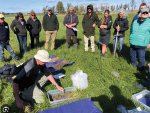
Catch the Rain: B+LNZ Trials Boost Soil Infiltration
Beef + Lamb NZ funded research has shown that some simple changes to pasture management could help farmers make better use of rainfall and build resilience before dry conditions hit.




 increase font size
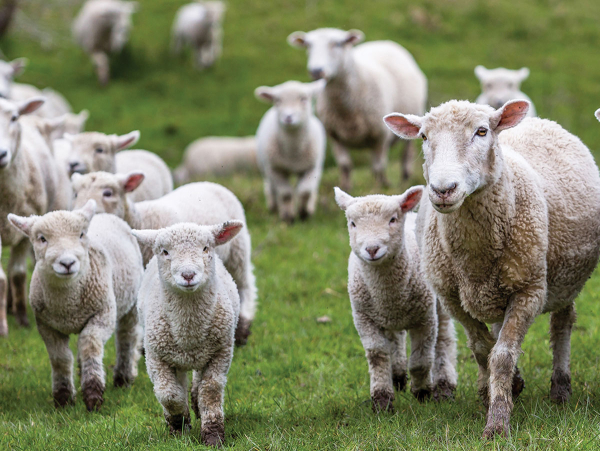 The study has revealed that spores linked to FE are present from Northland all the way down to Otago.
Reecently Beef + Lamb New Zealand hosted a webinar giving farmers an update on findings from the Sheep Poo study, featuring Dr Cara Brosnahan and vet Ginny Dodunski. This study, which is entering its final year, is a key part of the Eliminating Facial Eczema Impacts (EFEI) programme and is helping build a clearer picture of how FE affects farms nationwide.
B+LNZ says there is still time for farmers interested in getting involved, as the third season starts soon.
Top findings learnt through season 1 and 2:
Traditionally thought to be a problem confined to the North Island, the study has revealed that spores linked to FE are present from Northland all the way down to Otago.
“FE risk isn’t just seasonal or regional,” said Brosnahan.
“We’ve seen spore activity stretch into May and June, and it’s not limited by geography.”
The study also looked at how farmers in the study are currently managing FE risk:
These numbers reflect a growing awareness of the need for long-term solutions. But the study didn’t stop there.
The study is also looking into what are risk factors of FE. Could elevation be a factor? Is FE risk clustered in certain areas? Does grazing behaviour make a difference?
To answer these, data from each year will be analysed to help confirm these patterns.
B+LNZ says that early evidence suggests that if your neighbour has high spore counts, you might too. Elevation and pasture height are also emerging as important factors. The higher the elevation, the fewer FE spores were found in the faeces. In contrast, lower pasture height was linked to increased spore presence. Understanding these localised risks could be key to developing targeted interventions and management strategies.
While season 1 and 2 have given significant insights that will pave the way for creating an effective risk assessment tools and solutions for managing FE, there is still work to be done.
B+LNZ says it needs more farmers to join the study.
By joining the final season of the largest facial eczema study of its kind, farmers can help build a national solution to a disease that costs the livestock industries over $330 million each year. Participation is free, and farmers receive fortnightly spore count results which can help inform proactive management decisions.
“We’re closer than ever to understanding FE. With farmer input, we can find the tools that really work,” said Brosnahan.
Beef + Lamb NZ funded research has shown that some simple changes to pasture management could help farmers make better use of rainfall and build resilience before dry conditions hit.
Beef + Lamb New Zealand (B+LNZ) says it welcomes the passage of the Natural Environment Bill and Planning Bill, calling the bills a positive step for sheep and beef farmers.
If you're thinking about investing in ways to push feed forward, this is the year to do it.
B+LNZ's Wormwise veterinarian Mary Bowron has won the Best Sheep and Beef Vet of the Year Award in recognition of her outstanding contribution to New Zealand’s sheep and beef sector.
With lambing underway in many regions, Beef + Lamb New Zealand is encouraging farmers to put together a wellequipped lambing kit to help minimise lamb losses, particularly in bad weather.

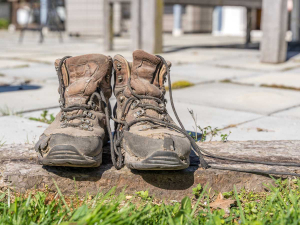
Safer Farms is urging farmers to make sure everyone working on farm has safe, suitable footwear for the job.
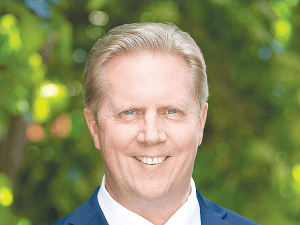
The Government is backing work on a community-led water storage scheme that could irrigate up to 11,000 more hectares of the Poverty Bay flats, Agriculture Minister Todd McClay says.
Agri-tech company Herd-i has become a new all-region sponsor of the New Zealand Dairy Industry Awards (NZDIA), the largest nationwide celebration of excellence in the dairy sector.
Four candidates have been confirmed for two director positions on Fonterra’s board.
Returning to the family dairy farm after playing 20 years of professional rugby around the world is no easy task.
After delivering another record farmgate milk price to 100 supplying farms, independent milk processor Tatua is entering thee new financial year with a positive outlook.

OPINION: The same mainstream media muppets that brought you Jacindamania in 2017 have been flat out pimping for the Opportunities…
OPINION: Your old mate reckons the atrocious way farmers in the UK are treated by their lords and masters in…




