As we move towards the warmer, more humid months, farmers across New Zealand are already preparing for the annual challenge of facial eczema (FE).
At J Swap Stockfood, we’re seeing a clear shift in focus toward Mineral Boost Zinc as herds begin their prevention programmes.
Facial eczema is caused by spores produced by the fungus Pithomyces chartarum, which thrive in warm, moist pasture conditions – particularly in the base of the sward where dead material/litter is found. When ingested, these spores release a toxin that is absorbed into the bloodstream and damages the liver, leading to reduced production, weight loss, photosensitivity, and in severe cases, significant animal welfare impacts. Prevention is essential, and early planning makes a real difference.
Zinc plays a crucial role in protecting the liver by preventing the fungal toxin from being absorbed in the rumen and GI tract. Consistent dosing before spore counts rise is the most effective defence farmers have. Ensuring cows receive the correct daily amount early (i.e. before spore counts get dangerous) is vital for maintaining production and minimising the long-term effects FE can have on herd performance – not just this season but throughout their milking career. When compared to the consequences of FE liver damage, appropriate zinc dosing is cheap insurance.
Accuracy is important. Ensuring every animal gets the correct dose every day means your money spent is achieving the desired goal. In addition, due to high-dose zinc’s tendency to reduce calcium absorption, supplementation with calcium and magnesium is a wise precaution.
If you’re planning your FE prevention strategy, now is the time to get organised. J Swap Stockfood can work alongside the Mineral Boost team to take a joint approach on the right blend, delivery method, and inclusion rates for your farm. Talk to your local J Swap Stockfood representative to arrange a discussion with both teams and ensure your herd is fully protected heading into the high-risk months.
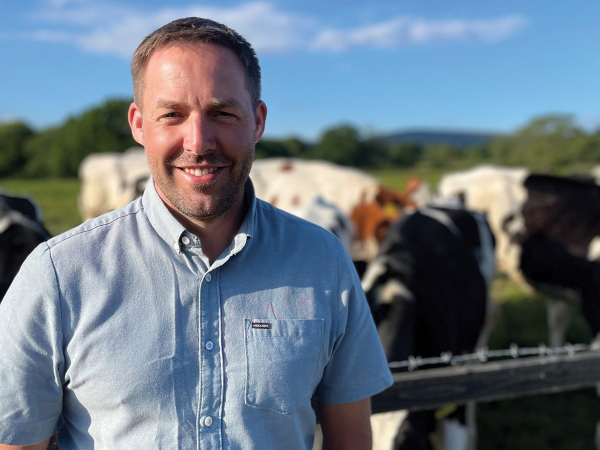
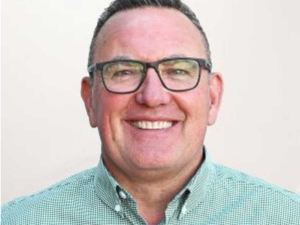
Joe Hardman is stockfood sales manager for J Swap Stockfoods.