
India FTA Removes 33% Tariff on NZ Sheepmeat
New Zealand’s red meat sector has welcomed the India-New Zealand Free Trade Agreement taking effect, which removes India’s 33% tariff on New Zealand sheepmeat.




 increase font size
 Meat Industry Association chief executive Sirma Karapeeva.
The depressed state of the Chinese economy continues impact on the value of NZ’s red meat exports.
The latest data from the Meat Industry Association (MIA), shows that meat exports in January 2024 were down by 8% to $759 million compared with January 2023. MIA chief executive Sirma Karapeeva said the results reflect the ongoing volatility in global markets.
She says this was the lowest January result since 2019 with the main contributor to this being China, with exports down 21% year-on-year to $263 million. On the positive side, Karapeeva says overall exports to the United States were up 10% to $182 million and to the UK by 34% to $38 million.
The Chinese economy has been one of the key talking points at the recent annual National People Congress of the Chinese parliament. At that congress China set a modest about 5% growth target for the coming year as it seeks to overcome many of its internal economic problems. These include curbing industrial overcapacity and defusing its property sector which has had a negative impact on many Chinese people.
But while the volumes of our sheepmeat and beef exports were relatively unchanged compared to last January, Karapeeva says the value of these dropped. In the case of sheepmeat, exports fell nine per cent to $305 million and beef by 6% to $320 million.
“Clearly, challenges remain for our red meat exporters,” she says.
Karapeeva says some other good news is that sheepmeat exports to the United States rose 16 per cent to $45 million and beef exports by 12% to $120 million. She says beef exports to the UK also continue to grow, from $588,000 last January to over $2 million, off the back of the UK Free Trade Agreement that came into effect in May 2023.
“Sheepmeat accounted for most of the increase in exports to the UK, recovering from the low levels of January 2023,” she says.
New Zealand’s red meat sector has welcomed the India-New Zealand Free Trade Agreement taking effect, which removes India’s 33% tariff on New Zealand sheepmeat.
New Zealand's red meat and fifth-quarter exports reached $867 million in August, up 23% on the same month last year, as stronger returns lifted earnings across all major markets.
Meat Industry Association data, released alongside the Red Meat Sector conference in Wellington, shows export value climbing across the US, China, UK and Canada.
Esther Guy-Meakin has been announced as the new chief executive of the New Zealand Meat Board (NZMB).


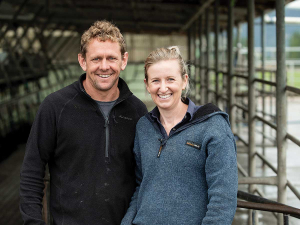
In farming there are external factors that can influence behaviour of a whole herd, such as a bad weather event, triggering false positive heat detections or health attentions.
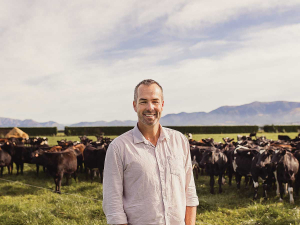
For Canterbury dairy farmer Cameron Henderson, supporting Meet the Need comes down to a simple question: how can the success of New Zealand farming benefit more than just those within the industry?
Fonterra board members are in line for a pay rise of around 3%.
Dairy processors are ready to further boost New Zealand’s export earnings but want the incoming government to match their ambition with good policy.
Massey University is best placed to solve the “problems” facing the dairy industry, says vice chancellor, Pierre Venter.
Synlait's longest serving employee – a man who joined the Canterbury-based milk processor even before it began processing milk – is now its newest executive.





OPINION: The same mainstream media muppets that brought you Jacindamania in 2017 have been flat out pimping for the Opportunities…
OPINION: Your old mate reckons the atrocious way farmers in the UK are treated by their lords and masters in…