
BNZ and Pāmu Launch New Native Forest Revenue Model for New Zealand Landowners
Bank of New Zealand (BNZ) and Pāmu (Landcorp Farming Limited) have developed a new way for landowners to earn revenue from existing native forests.




 increase font size
 BNZ General Manager Agribusiness and Corporate Banking, Dave Handley.
Bank of New Zealand (BNZ)will expand its First Farm support with a new funding boost designed to help more farmers and growers take their next step into farm ownership.
The BNZ First Farm Funding Boost provides up to a 1% interest rate discount on the first $2 million of borrowing for the first two years, alongside up to $250,000 in working capital at 2.99% for six months to help manage early cashflow needs.
For example, an eligible first farm buyer borrowing more than $2 million could reduce borrowing costs by more than $40,000 over the first two seasons.
It will be available to eligible farmers and growers purchasing their first farm, as well as first-time 50/50 sharemilkers and first-time farm owners entering via eligible equity partnerships.
It builds on BNZ’s First Farm initiative, launched last year in dairy to support aspiring farmers into first herd or first farm ownership.
BNZ General Manager Agribusiness and Corporate Banking, Dave Handley, says the Funding Boost is about helping capable farmers and growers manage the financial pressure that can come with buying their first farm.
“Buying a first farm is a major milestone. It takes capability, commitment and careful planning, and the early years can put real pressure on cashflow,” says Handley.
“The new Funding Boost is designed to help reduce some of that pressure, giving eligible first farm buyers more breathing room as they establish themselves.”
“It’s about backing the next generation of farmers and growers with practical financial support when it can make a meaningful difference,” Handley says.
Handley says First Farm was initially focused on dairy, where buying a first herd or moving into 50/50 sharemilking are established steps toward farm ownership.
The new Funding Boost extends financial support to eligible first farm buyers across the wider agri sector.
“Farming and growing are central to New Zealand’s economy and rural communities, but the path into ownership is changing. We want to support people with the ambition and ability to take that step, whether that’s into their first farm, first herd, or an eligible equity partnership,” says Handley.
“That means practical support, help with early cashflow, and access to BNZ agri specialists who understand the realities of farming and growing.”
Bank of New Zealand (BNZ) and Pāmu (Landcorp Farming Limited) have developed a new way for landowners to earn revenue from existing native forests.

OPINION: NZ First knows its market and feeds it a constant diet of how ‘good’ the good old days were, promising to resurrect policies and icons of a bygone era.
Specialist agriculture lender Oxbury has entered the New Zealand market, offering livestock finance to farmers.
The chance of a $10-plus milk price for this season appears to be depleting.
BNZ says its new initiative, helping make the first step to farm ownership or sharemilking a little easier, is being well received by customers and rural professionals.

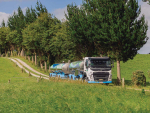

Farmer-owned fertiliser company, Ballance Agri Nutrients is welcoming National’s plan to negotiate security agreements with key supplier countries to protect New Zealand-bound products from export restrictions and greater supply chain certainty.

Carrfields has announced the appointment of Stu Hall to the newly created role of chief operating officer, Carrfields Ltd, reflecting the continued growth of their agribusinesses and the need to ensure the company has the leadership capacity and support in place as it pursues the emerging opportunities ahead.
New Zealand's role is not to compete with Indian growers, according to NZ Apples and Pears.
The potato industry is celebrating the success of two rising stars - James Blair, the 2026 Young Grower of the Year and runner-up and innovation award winner, Amber Davy.
Twenty-eight emerging leaders from across the horticulture sector spent two days last month learning valuable skills and connecting with industry experts.
There are five entrants in this year’s Young Horticulturist of the Year, competing in a series of technical, practical, business and leadership challenges.





OPINION: The same mainstream media muppets that brought you Jacindamania in 2017 have been flat out pimping for the Opportunities…
OPINION: Your old mate reckons the atrocious way farmers in the UK are treated by their lords and masters in…




