Canterbury Farmer Urges Peers to Back Meet the Need
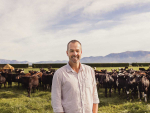
For Canterbury dairy farmer Cameron Henderson, supporting Meet the Need comes down to a simple question: how can the success of New Zealand farming benefit more than just those within the industry?




 increase font size
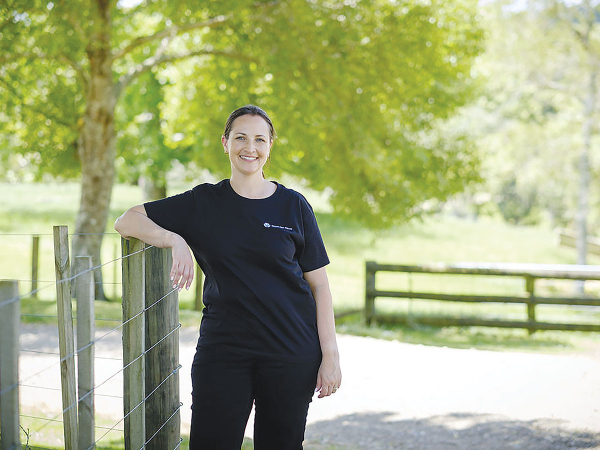 Meet the Need general manager Zellara Holden.
Food rescue charity Meet the Need has released its 2025/26 Impact Report, revealing a record year of growth alongside a stark warning: demand for food support across New Zealand is rising faster than supply can keep up.
Over the past 12 months, the organisation delivered 1,277,241 mince and milk meals through a nationwide network of foodbanks, pushing the total number of meals distributed since its 2020 launch past 4.2 million.
The milestone lands at a critical moment. Recent figures show one in three New Zealand households experienced food insecurity in the past year, and 68% of those households say they only began struggling to afford enough food within the last 12 months.
Zellara Holden, general manager of Meet the Need, says the charity is seeing a marked shift in who is turning up to foodbanks for help.
"These aren't just the families people might traditionally expect to need food support," Holden says. "They're working families, rural households and people who have never had to ask for help before."
Holden says the cost of living is the driving force behind this change.
"The cost of living continues to put enormous pressure, on household budgets, and nutritious protein is often one of the first things families stop buying. That's why the work we do has never been more important."
Meet the Need was founded with the aim to connect New Zealand food producers directly with families experiencing hardship.
The charity works alongside farmers, processors, transport companies, foodbanks, businesses and donors to get beef mince and milk to those who need it most.
Despite the record year, Meet the Need says growth in impact hasn't kept pace with growth in need.
Foodbanks across the country report more first-time users, longer waitlists, and rising demand specifically for protein.
"The reality is that while we've increased our impact, the need has grown even faster," Holden says.
"Every meal delivered is only possible because of the generosity of New Zealand farmers, our corporate and community partners, volunteers and individual donors," she says. "This report is a celebration of what we've achieved together, but it's also a reminder that our work is far from over."
Meet the Need chair Nick Fisher says the solution lies in collaboration across the agricultural sector.
"New Zealand grows enough food to feed everyone," Fisher says. "The challenge isn't supply, it's connection."
"Meet the Need exists to bridge that gap, ensuring quality New Zealand protein reaches families who otherwise couldn't afford it."
Meet the Need is calling on more farmers, businesses and everyday New Zealanders to get involved - whether by donating livestock, milk or cash, or by partnering with the charity directly.
"Our mission is simple," Holden says. "Together, we can ensure more Kiwi families have access to nutritious protein during some of the hardest times in their lives."
"With demand continuing to grow, we need more people alongside us to make that happen," she concludes.
For Canterbury dairy farmer Cameron Henderson, supporting Meet the Need comes down to a simple question: how can the success of New Zealand farming benefit more than just those within the industry?

A partnership between state-owned enterprise Pāmu (Landcorp Farming Limited) and charity Meet the Need is putting more than quality New Zealand beef into food bank parcels this year.
OPINION: It appears to be difficult for people who haven’t tried to run a business to understand the difference between assets and cash.
As the cost-of-living crisis continues to put pressure on household grocery budgets, new figures show pork remains one of the most affordable fresh meat options for New Zealand families.
New Zealand consumers are paying more for beef mince than ever before, with the average retail price now sitting above $24 per kilogram, according to Rabobank.


During the nesting season, from September to December, industrious starlings can quickly build nests in the darker areas behind tractor and vehicle, usually close to hot engines, typically resulting in localised damage or in some cases complete write-offs.
The meat processing industry is much more collegial than it was in the past and is now more focused on common goals.
With the last couple of months having seen some potential tractor purchases put on hold with the impending election and continued input cost rises, year-to-date figures, ending September, has seen deliveries up around 5% over the same period in 2025, with a total of 2026 units.
Beef+Lamb New Zealand is calling for nominations for director roles in the Northern South Island and Northern North Island electoral districts.
Fonterra chief executive, Richard Allen says being resilient has helped the dairy industry overcome extreme volatility in recent years.
The head of the Ministry for Primary Industries (MPI) trade and international relations group says New Zealand is well-positioned to secure trade access and compete internationally as the world becomes more complicated, demanding and uncertain.



OPINION: The same mainstream media muppets that brought you Jacindamania in 2017 have been flat out pimping for the Opportunities…
OPINION: Your old mate reckons the atrocious way farmers in the UK are treated by their lords and masters in…




