Tackling Leptospirosis
Leptospirosis is one of the most significant health threats to New Zealand dairy herds and the families who work with them.




 increase font size
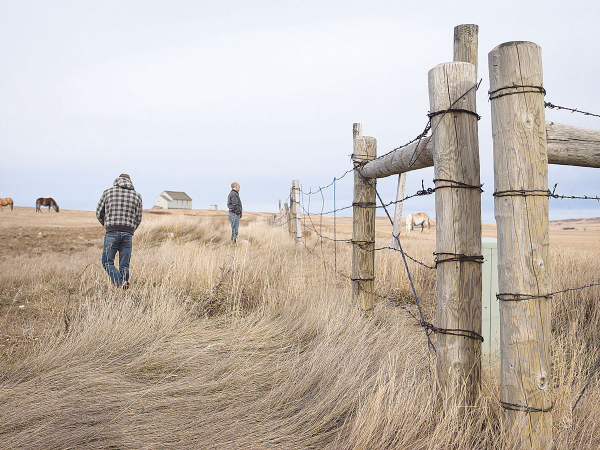 People in rural Australia are known for their resilience in times of crisis, but even the most resilient need extra support at times.
Animal health company Zoetis is helping raise awareness of mental health in rural communities across Australia.
It has partnered with Beyond Blue, an organisation that provides advice and service to the community, to reduce the stigma associated with mental health.
Over the past six years, Zoetis has raised A$600,000 for the Beyond Blue Support Service by donating $5 from each sale of the company’s livestock, pig and poultry vaccines and drenches. In 2022, Zoetis aims to once again reach its $100,000 fundraising target by the end of the year.
Zoetis senior vice president and cluster lead for Australia and New Zealand, Lance Williams says it works closely with rural Australia through interactions with the country’s farming community, agricultural stores, veterinarians and their families.
“We are proud to once again be supporting Beyond Blue and the important work they do,” says Williams.
The money raised goes directly to the Beyond Blue Support Service to continue helping people living in remote areas.
To date, thanks to Zoetis’s donation, over 12,000 people have been able to get the support they need through the service.
“Together we have made strong progress in supporting the mental health and wellbeing of those who live in rural Australia, and we are passionate about helping again this year.”
Derek Schoen, a farmer for more than 36 years, is a beef, grain and hay producer in Corowa, New South Wales.
Schoen, a board member of Beyond Blue, says the farming community has endured many challenges over the years.
“Through droughts, floods, bushfires and the on-going Covid-19 related issues, rural Australia and country people are stoic and display considerable courage, however the impact on mental health has been significant for many,” says Schoen.
“The good news is that most of us will be able to cope very well with challenges as they arise - we will use our normal resources, our strengths, networks and the support that we have around us from family, friends and loved ones.
“People in rural Australia are known for their resilience in times of crisis, but even the most resilient among us need extra support at times. We want everyone to know that support is available and encourage people to seek advice. Asking for support is a sign of strength – not weakness.”
Beyond Blue chief community officer Patrice O’Brien says the journey to better mental health can start with small actions.
It’s important to make looking after ourselves a priority and set goals for sleep, exercise and ’me‘ time. Maintaining social connections, keeping in touch with friends and family, and being part of a community provides a supportive network. Also, understanding which tools and strategies work well for you in tough times and reaching out for that extra support when you need it are really important.”
Leptospirosis is one of the most significant health threats to New Zealand dairy herds and the families who work with them.
Drench Options are become increasingly limited for sheep farmers, highlighting the importance of proactive parasite management planning within the wider farm system to stretch the longevity of drench as a tool.
When Simon Hales discovered triple drench resistance on his Weber farm, it was a catalyst to fast-track farm system change.
Solid biosecurity practices, regular monitoring and timely vaccination are the three key pillars of effective Bovine Viral Diarrhoea (BVD) control on New Zealand farms. Zoetis veterinary technical advisor, Karley DeFrees, explains BVD is a costly but preventative disease that impacts a significant number of dairy farms in New Zealand. Implementation of a BVD control plan can help protect your herd from this avoidable disease.
Clostridial diseases are a major cause of sudden death in young lambs and calves, and for King Country farmer and veterinarian, Stacey Turner, vaccinating with Ultravac 5in1 is a non-negotiable animal health practice.


National’s pledge to introduce 19 new national standards shows the party is serious about getting Wellington out of farming, Federated Farmers says.
The National Party’s policies to make it easier to grow fresh vegetables, secure reliable water and energy and simplify farm planning are practical changes that will give growers the confidence to invest, according to Horticulture New Zealand (HortNZ).
Fonterra Co-operative Group chief financial officer Andrew Murray has resigned to take up a role outside the dairy giant.
A major move is about to get underway to improve the quality and viability of dairy beef and cattle in NZ.
Veterinarians say changes to the code of welfare for dairy cattle provides a positive foundation for improved cattle welfare across the country.
Today, 15 October, is the International Day of Rural Women, which recognises rural women’s contribution to farming, communities and the environment.




OPINION: It seems Canterbury processor Synlait is still in the doldrums.
OPINION: Get offside with New Zealand First leader Winston Peters at your own peril.




