Pioneer forage specialist, Ian Williams on how farmers can manage feed and animals as they move into winter.
What a start to 2020! A drought and the inability to get killing space due to the impact of Covid-19 restrictions on meat processing facilities has meant that many farmers are very short of feed as we move into winter.
The need to keep animals on farm for longer has even affected farmers who either farm irrigated properties or live in areas which have had adequate rainfall. The pressure on feed over the autumn period has meant that many farmers now have little or no stored supplements.
Systems that reduce risk
Many farmers I have spoken with recently are looking at systems which reduce risk. While some are considering reducing cow numbers, they are reluctant to do this if they can’t afford reduced milk production and therefore reduced income. They are instead looking to develop resilient systems that can cope with increased risk.
Climate is a significant risk to pasture-based dairying. In recent years, extended periods of summer dry conditions seem to have become the new normal. NIWA data indicates that as we move into the later stages of this century, we will need to modify our farming systems to cope with warmer and drier conditions. Resilient farms will:
Have some kind of stored feed on hand
Pasture yields have been inherently variable, with some areas recording variations of 6 - 8 tDM/ha/yr between the best and worst seasons. Having some kind of stored feed that can be used to fill feed gaps simply makes sense.
I learnt this early in my career as a young consultant in Northland. I asked a local farmer who had just won the Northland Farmer of the Year competition, “What do you need to do to farm successfully in Northland?” He replied “Get your stocking rate right and always ensure you have a barn of hay and a stack of silage”.
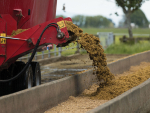
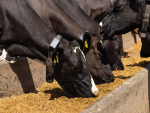
The beauty of stored feeds is that you can feed them when you need them and if you don’t need them, don’t feed them.
Plant highly water efficient crops to support pasture
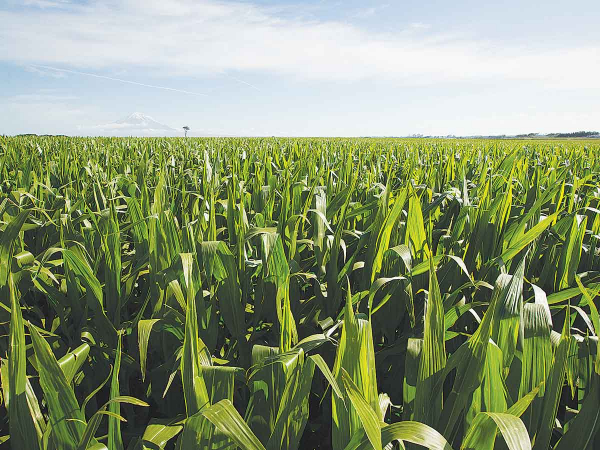
As I have often written about in the past, the future of New Zealand agriculture lies in the production of pasture-based animal protein. However, as we warm and dry, we will need crops that have high water use efficiency (e.g. maize) to support our pasture-based systems. Some farmers have been pinning their hopes on the ability to irrigate. However, it is unlikely that many of them will be able to do this, as in many regions water is already fully allocated and in the few regions where it isn’t, there will be environmental regulations that will limit the uptake of irrigation.
Provide a facility to stand animals off pasture
I love what Tom Pow, the founder of Herd Homes, talks about when it comes to managing cows. He talks about “Free Range Cows”. His housing systems combined with timed gate latches provide shade and shelter for cows while at the same time giving them freedom to graze pasture while conditions allow. When it gets too hot or too wet, cows can be stood off-paddock but still fed well.
Have a dedicated cropping area
Having dedicated cropping blocks within dairy farms makes sense for a whole variety of reasons. Effluent can be used to grow crops cost-effectively. Deep rooted plants like maize can decrease the nutrient leaching risk associated with effluent application. More feed can be harvested from every hectare and stored to be fed exactly when it is needed.
Maize has a really positive role to play in future dairy farm systems. A large global breeding effort coupled with wide scale local testing means hybrid yields are increasing. Particularly big gains have been made in the yield potential of shorter maturity hybrids which can be harvested early to allow timely regrassing. If you haven’t planted maize before, or haven’t tried it for a while, talk to your local merchant or Pioneer Area Manager.
• Ian Williams is a Pioneer forage specialist. Contact him at This email address is being protected from spambots. You need JavaScript enabled to view it.