Early Weaning Lambs: What the Massey Trials Found
Farmers with high-quality feed available in late spring could consider weaning at least a proportion of their lamb crop early to benefit both lambs and ewes.




 increase font size
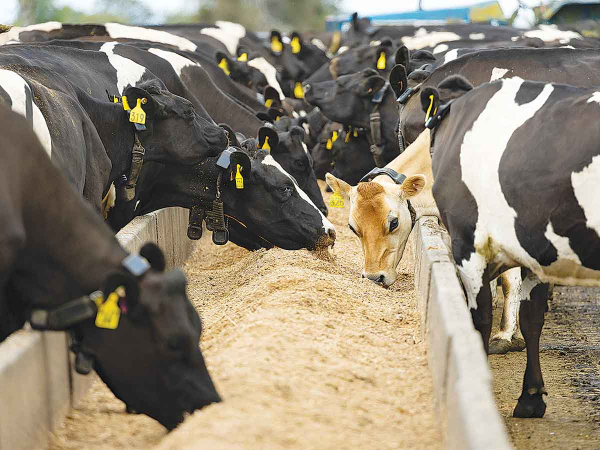 Maize silage also plays a critical role in winter by helping to build body condition.
As I write this article, we have just had our first frost in the Waikato, a change in weather signalling that winter is upon us.
This will lead to slower pasture growth rates, and with calving only 10–12 weeks away, many farmers are turning to maize silage as part of their winter-feeding strategy.
While it’s well known for boosting summer and autumn production, maize silage also plays a critical role in winter by helping to build body condition, maintain consistent intakes in poor weather, and support cows through the transition period.
Building Body Condition Score (BCS)
During early winter, the main focus is on BCS. Spring calving cows should now be on a planned nutritional path to achieve BCS targets of 5.5 for younger cows and 5.0 for mature cows.
For cows due to calve around mid-July, the window for condition gain typically begins in April and May. From mid- May, a 475kg cow will need to consume around 10 kgDM/day, increasing to 11 kgDM/day by mid- June as pregnancy progresses and maintenance demands increase.
When you factor in feed utilisation2, this means dry cows should be offered 12–14 kgDM/ day to meet their requirements. In most regions, winter pasture growth rates are modest, and even under favourable conditions, pasture might only supply half of the daily demand. That leaves a gap, which is where maize silage can play a role by providing a consistent energy source to drive efficient BCS gain over the winter months.
| Good Weather Feeding | Poor Weather Feeding | |||||
| Feed | kgDM per cow intake | Utilisation (good day) | kgDM per cow offered | Utilisation (poor day) | kgDM per cow intake | kgDM per cow offered |
| Pasture | 7 | 80% | 9 | 70% | 6 | 9 |
| Maize | 4 | 90% | 4.5 | 90% | 5 | 5.5 |
| Total | 11 | 13.5 | 11 | 14.5 | ||
Maintaining intake when conditions change
One of the key advantages of incorporating maize silage in winter diets is the ability to maintain drymatter intake when pasture utilisation drops due to poor weather. In good winter grazing conditions, pasture might be utilised at around 80%, but in wet, cold, or muddy conditions, this can easily fall to 70% or lower.
Table 1 illustrates how maize silage offers flexibility in this situation. On a good day, cows may comfortably meet intake targets with 7 kgDM of pasture and 4 kgDM of maize silage to reach an 11 kgDM per cow intake. However, when pasture utilisation drops, the pasture component provides less actual intake, meaning cows fall short of their needs unless additional supplement is introduced.
During poor weather conditions, increasing the amount of maize silage offered by just 1 kgDM ensures that total intake is restored to the target level. Because maize silage is fed in winter on a feedpad, the feeding rate is easy to adjust and less vulnerable to weather-driven losses. This flexibility helps maintain a consistent energy supply when cows need it most.
This approach ensures feed consistency, helps avoid intake dips, and supports continuous progress toward achieving BCS targets.
Transition feeding and DCAD management
Maize silage also brings significant benefits during the springer period (3 weeks pre-calving). Its low potassium and naturally low DCAD (Dietary Cation-Anion Difference) make it an ideal base for pre-calving diets, particularly when compared to high-potassium pasture (especially from effluent paddocks).
Feeding low-DCAD diets 2–3 weeks before calving improves calcium mobilisation and reduces the risk of milk fever. Maize silage also keeps dietary calcium levels low (<0.5% of DMI), which helps regulate calcium absorption. Once lactation begins and demand skyrockets, cows are better primed to absorb calcium from the diet.
To fully unlock these benefits, it’s important to test feed components and complement the diet with appropriate anionic mineral supplements such as magnesium chloride or sulphate. Your vet or nutritionist can help set appropriate DCAD targets and ensure overall diet balance during this crucial phase.
If you’d like support with feed budgeting, mineral balancing, or getting the most from your maize silage this winter, talk to your nutritionist, vet, or one of the Farm Systems Specialists at pioneer.co.nz.
Wade Bell is Genetic Technologies farm systems manager. Contact him at This email address is being protected from spambots. You need JavaScript enabled to view it.
Farmers with high-quality feed available in late spring could consider weaning at least a proportion of their lamb crop early to benefit both lambs and ewes.
The first major update to the Dairy Cattle Code of Welfare in more than a decade has been released, marking what DairyNZ describes as an important step in ensuring animal welfare standards continue to evolve alongside scientific evidence and on-farm realities.
Bovine Viral Diarrhoea (BVD) is sometimes viewed as a dairy industry issue, but the reality is that the disease can have serious consequences for beef breeding herds as well.
Animal health company Bovonic is gearing up for its next stage of growth after increasing New Zealand sales of QuadSense by more than 50% in the last 12 months, including a record quarter for the business this year.
With lambing underway in many regions, Beef + Lamb New Zealand is encouraging farmers to put together a wellequipped lambing kit to help minimise lamb losses, particularly in bad weather.


Federated Farmers has welcomed new rural policies released by ACT, saying they align closely with its own election priorities.

Rural Contractors NZ says proposed changes to land transport rules for agricultural vehicles are a welcome response by the Government to out of date regulations which have seen members hit with huge fines.
Alliance is calling for final applications for its 2027 Graduate Programme, with applications closing on Sunday 25 October.
Decades piloting planes has ensured vet and farmer David Hayes is focused on safety. So, after a serious accident while welding on farm, he is sharing his experience so others can learn from it.
Canterbury milk processor, Synlait Milk has confirmed Leon Fung as its chief executive officer.
OPINION: Making it easier to collect rainwater and use it to grow crops and livestock is a no brainer.


OPINION: It seems Canterbury processor Synlait is still in the doldrums.
OPINION: Get offside with New Zealand First leader Winston Peters at your own peril.




